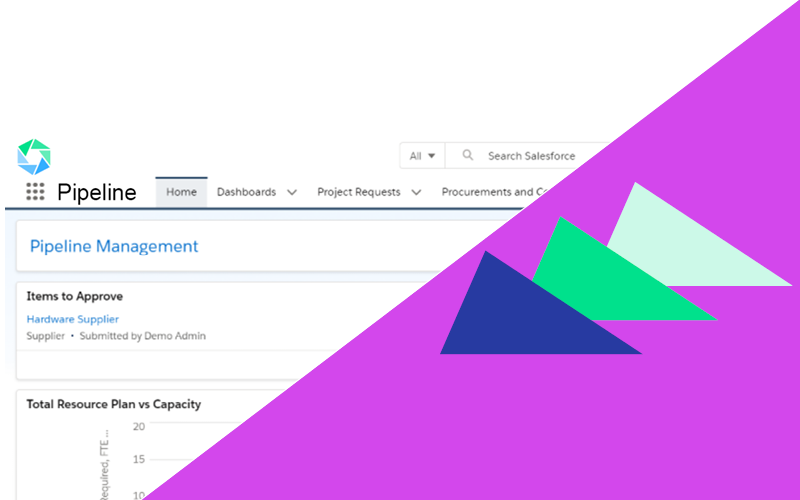
 Our Pipeline App empowers your team to plan ahead and forecast for upcoming procurement activities.
 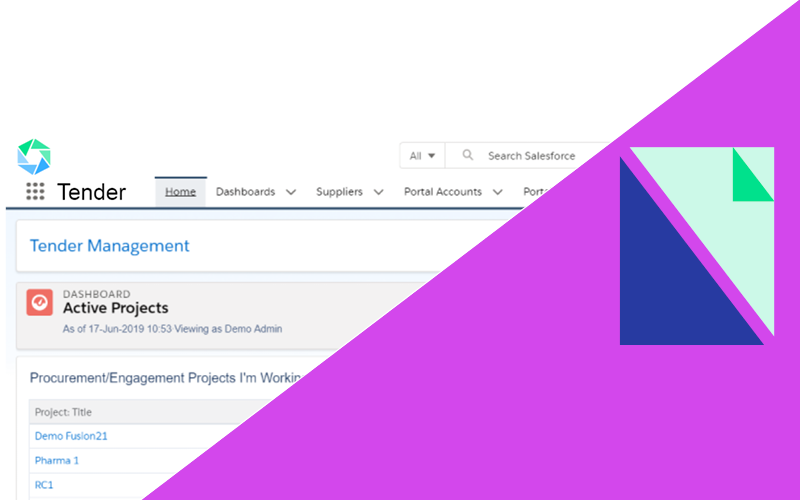 The Tender App allows your team to visualise all sourcing activities within your Atamis platform, from issuing tenders to receiving bids.
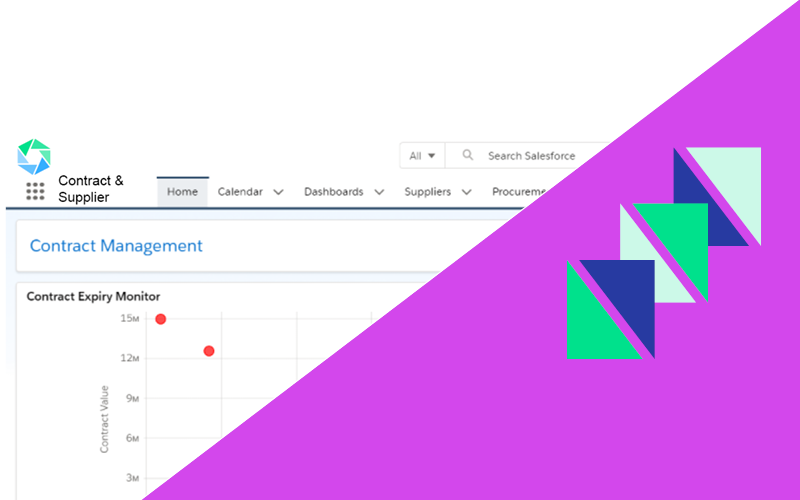 Our Contract & Supplier App puts your team in firm control of your key supplier relationships and provides a central repository for all contracts.
 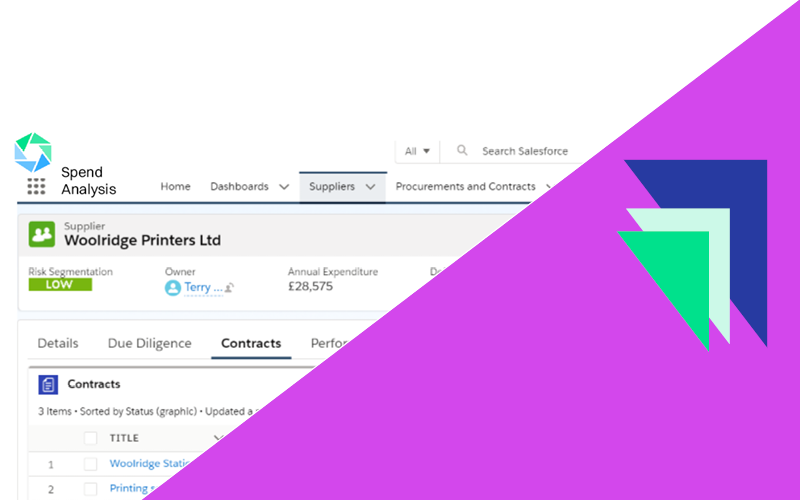 Our Enhancers ensure your solution is tailored to your needs. Pick and choose additional functionality that fits your requirements.
Executive Summary
Procurement teams can no longer rely on basic contract storage tools. As supply chains grow more complex and performance expectations rise, contracts must evolve from static records into actionable instruments for value, risk and supplier management.
This article explores why procurement needs more than simple storage — and how modern contract management software solutions can drive better outcomes, improve compliance and strengthen supplier relationships.
Unlocking the full potential of modern contract management software solutions in procurement
Your contracts are more than paperwork. They’re the foundation of supplier relationships, the blueprint for service delivery and the legal and commercial safety net for your organisation. Yet too many procurement teams – across both public and private sectors – still rely on contract management software that functions as little more than a digital filing cabinet.
A contract repository might tick the compliance box and it’s clearly something every CLM software should offer, but if that’s all your contract management solution does, you’re missing a huge opportunity to drive value, reduce risk and improve performance across the supply base.
The legacy mindset: When contract storage was enough
Historically, storing contracts centrally and digitally was a major step forward. Moving away from shared drives, email folders or multiple printed copies in desk drawers gave procurement teams a much-needed handle on document control and auditability.
But while centralised storage is a necessary baseline, it’s not enough. Contract data left sitting in a static repository is untapped value. Without the tools to surface insights, track performance or act on key dates and obligations proactively, you’re effectively managing risk blindfolded.
In a world where supply chains are more volatile and expectations are rising, procurement teams can’t afford to treat contracts as end-of-process paperwork. They need living, working documents and the tools to manage them accordingly.
Procurement’s contract management challenge in 2025
Let’s be honest: procurement teams are stretched. They’re being asked to do more with less: deliver value, mitigate risk, prioritise social value and ensure continuity, all while navigating economic uncertainty, regulatory shifts and increasingly complex stakeholder needs.
Within this context, the contract becomes more than a formal record of what was agreed. It’s a vehicle for performance management, risk mitigation and supplier collaboration. But without the right contract management software, teams are often left wrestling with:
- Missed contract milestones and renewals
- Limited visibility into supplier performance
- Manual tracking of KPIs and SLAs
- Inconsistent compliance monitoring
- Poor version control and change tracking
These challenges don’t just waste time. They expose your organisation to avoidable cost, reputational damage and operational risk.
From Static Storage to Strategic Contract Lifecycle Management
What procurement needs is not just storage, but contract lifecycle management software; tools that support the full journey of a contract, from award through execution, delivery and renewal.
Here’s what that should look like in practice:
1. Actionable visibility, not just access
It’s not enough to know where your contracts are. You need to know what’s in them and what actions they require.
A modern contract management system should provide:
- Searchable contract data (e.g. renewal dates, contract value, performance terms)
- Automated reminders for key milestones, reviews and expirations
- Dashboards that highlight live contracts by status, risk level or strategic importance
- Version history and audit trails for full transparency
This functionality gives procurement professionals the tools to manage by exception, intervene early, and stay on the front foot.
2. Built-in supplier performance management
Contracts should hold suppliers to account but without a structured way to monitor delivery against agreed KPIs or SLAs, many organisations fall into passive contract management.
Best-in-class contract management solutions integrate supplier performance tracking, allowing teams to:
- Score suppliers against agreed metrics
- Record delivery issues, disputes or changes
- Link contract terms to supplier evaluation criteria
- Create a feedback loop between contract management and supplier relationship management (SRM)
This not only helps drive better supplier outcomes but supports more informed renewal or retender decisions.
3. Risk and obligation tracking
Contracts are full of commitments. From insurance requirements and data protection clauses to ESG deliverables and subcontracting terms. When these aren’t actively tracked, compliance becomes reactive at best and costly at worst.
A smart contract lifecycle management solution can support procurement teams by:
- Flagging contracts with high-risk clauses
- Allowing teams to log and track obligations
- Offering comprehensive risk assessments, based on your risk tolerance
- Triggering automated workflows or alerts if a risk threshold is reached
- Supporting due diligence with contract-linked risk assessments
This turns contract management from a risk repository into a risk management tool.
4. Integration with the wider source-to-contract process
Too often, contract management is disconnected from the rest of the procurement lifecycle. Information gathered during the sourcing or evaluation stage gets lost. Lessons learned during contract delivery don’t inform future tenders.
By embedding contract management into a wider source-to-contract platform, procurement teams can:
- Seamlessly carry over key award criteria or deliverables
- Prepopulate contract templates based on sourcing data
- Use contract outcomes to inform future supplier scoring or evaluation
- Maintain a single source of truth across all procurement activities
This creates a more efficient, joined-up approach to supplier management, risk control and value delivery.
Public vs Private Sector: Shared Pressures, Different Levers
While public and private sector procurement teams often operate under different regulatory frameworks, their contract management pain points are remarkably similar.
Public Sector
In the public sector, compliance with the Procurement Act, transparency requirements and auditability are key. But beyond compliance, there’s pressure to track social value, climate targets and SME engagement – all of which require active contract oversight.
Private Sector
In the private sector, the emphasis may lean more towards margin protection, innovation delivery and supply chain resilience but again, that requires live insight into whether suppliers are delivering on their contractual commitments.
In both cases, passive storage won’t pass the test. Strategic contract management is a must.
The Business Case for Better Contract Management Software
If your procurement team is still relying on static storage, spreadsheets or email threads to manage contracts, now is the time to modernise. These approaches may have served a purpose in the past, but today they fall short of what’s needed.
A robust contract lifecycle management system doesn’t just make contract documents easier to find, it transforms how procurement delivers value, manages risk and supports strategic decision-making. The return on investment is both tangible and far-reaching.
Here’s how:
1. Reduced contract leakage through tighter obligation tracking
Contract leakage is the gap between what was agreed in the contract and what’s actually delivered or paid. It’s a hidden drain on budgets across both public and private sector organisations. It often stems from missed service credits, unclaimed rebates, non-compliant delivery or unchecked invoice discrepancies.
Modern contract management software combats this by:
- Making obligations and payment terms visible and actionable
- Allowing teams to link financial commitments to delivery milestones
- Triggering alerts when terms aren’t met or deadlines slip
- Supporting collaborative contract reviews with internal and supplier-side stakeholders
This ensures your organisation captures the full value of every agreement and reduces the risk of overspending or underperformance going unnoticed.
2. Improved supplier accountability and performance
A contract shouldn’t be something you revisit only when things go wrong. It should be an active tool for managing supplier delivery and driving continuous improvement.
When contracts are managed through a dedicated system, procurement gains the ability to:
- Track performance against KPIs and SLAs on a contract-by-contract basis
- Escalate issues quickly and transparently using built-in workflows
- Share regular performance feedback with suppliers
- Use contract data to inform renewal or retendering decisions
This raises the bar for suppliers and sends a clear message: delivery matters — and it’s being monitored.
3. Time saved on manual tracking and renewal management
Manually updating spreadsheets, chasing internal colleagues for contract copies or relying on calendar reminders for expiry dates is not only time-consuming – it’s error-prone.
With contract management software, procurement teams can:
- Automate alerts for contract renewals, reviews and notice periods
- Pre-set workflows for different contract types or risk levels
- Reduce administrative burden through pre-approved clause libraries
- Accelerate approvals and sign-off processes
That time saved can be reinvested into more strategic tasks like supplier development or market engagement.
4. Greater risk visibility, reducing reactive firefighting
Contract risk can take many forms. From non-compliance with key legislation (like the Procurement Act or GDPR) to concentration risk, where too much reliance is placed on a single supplier or region. But if that risk is buried in static documents, procurement is forced into a reactive posture.
Smart contract lifecycle management tools support proactive risk management by:
- Highlighting contracts with high-risk clauses or red-flagged suppliers
- Mapping contractual obligations to risk registers and mitigation plans
- Enabling audit trails and real-time reporting for senior stakeholders
- Allowing cross-referencing of contracts with supplier due diligence records
- Offering a category view to identify the concentration of single supply for goods or services.
This shifts procurement’s role from contract administration to contract governance — and helps build resilience in the supply base.
5. Data-backed decision-making for procurement and contract renewal
Too often, decisions about contract extensions, supplier re-engagement or performance improvement are made based on anecdote, not evidence. That’s because the relevant information like performance data, issue logs, cost overviews etc, lives in siloed systems or not at all.
A well-implemented contract management system provides:
- Real-time contract analytics and reporting
- Visual dashboards that highlight contract performance trends
- Integration with sourcing data to close the loop between award and delivery
- Better internal alignment between procurement, legal, finance, and operations
This makes it easier to demonstrate contract value, learn from delivery outcomes, and make confident, audit-ready decisions about what comes next.
6. When contract management is part of a full source-to-contract solution…
The benefits don’t stop at the contract stage.
When contract management is integrated within a source-to-contract software platform, procurement gains an end-to-end view of the entire supplier lifecycle. From tender to onboarding, through to contract execution and performance.
That means:
- Tender outcomes and evaluation criteria flow directly into the contract
- Supplier onboarding and compliance checks are linked to contract status
- Performance issues captured during delivery can feed back into supplier scoring
- Approval workflows are consistent and traceable across every stage
This level of integration not only reduces duplication and rekeying, but enables procurement to operate more strategically, connecting insight across sourcing, contracting, supplier management and risk oversight.
What to Look for in a Modern Contract Management Software Solution
If you’re considering upgrading your contract management capability or looking to implement your very first digital contract management solution, here are a few features worth prioritising:
- Secure, centralised contract repository
- Automated alerts for key dates and obligations
- Version control for consistent contract drafting
- Performance management dashboards and supplier scorecards
- Workflow automation and user permissions
- Integration with sourcing, supplier onboarding and risk management tools
- Seamless, custom reporting and audit trails to support compliance
A good solution should adapt to your workflows, not the other way around. It should scale with your maturity as your contract management function evolves.
Final thoughts: From compliance to control
In 2025 and beyond, the contract shouldn’t be seen as the final step in the procurement process. It’s the start of service delivery, supplier performance and ongoing value generation. That requires more than storage, it requires structure, insight and action.
If your current contract management software isn’t delivering that, it might be time to explore modern contract management software solutions that can transform your approach from reactive to strategic.
Ready to see how smarter contract management can drive better value?
Talk to our team today to learn how the right software can turn your contracts into powerful enablers of procurement performance.
Ready to go beyond contract storage?
Our end-to-end source-to-contract software includes a powerful, easy-to-use Contract & Supplier App designed to help procurement teams in both public and private sectors prioritise strategic procurement, reduce risk and drive better supplier outcomes all from a single platform.
Get a Demo