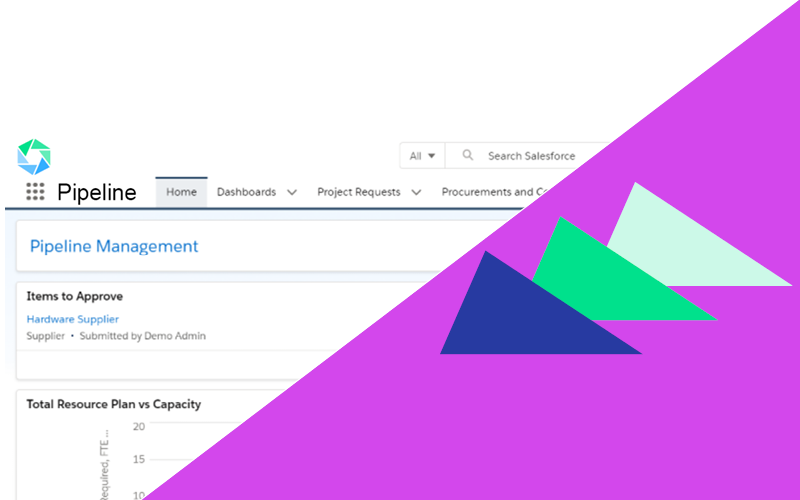
 Our Pipeline App empowers your team to plan ahead and forecast for upcoming procurement activities.
 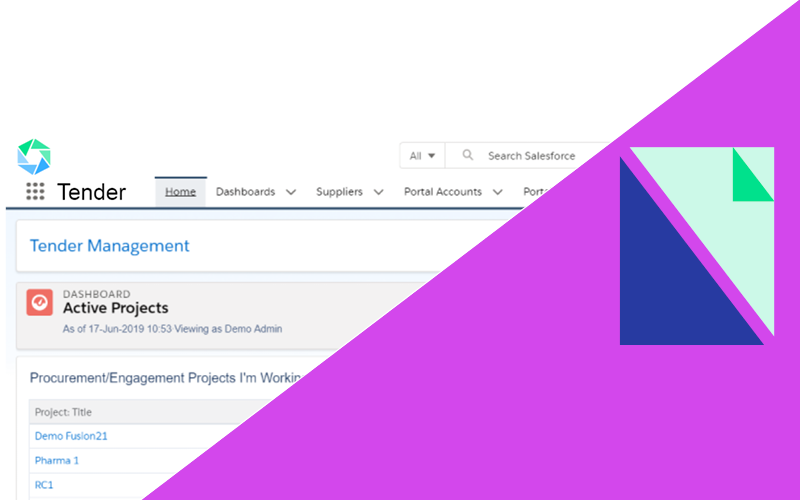 The Tender App allows your team to visualise all sourcing activities within your Atamis platform, from issuing tenders to receiving bids.
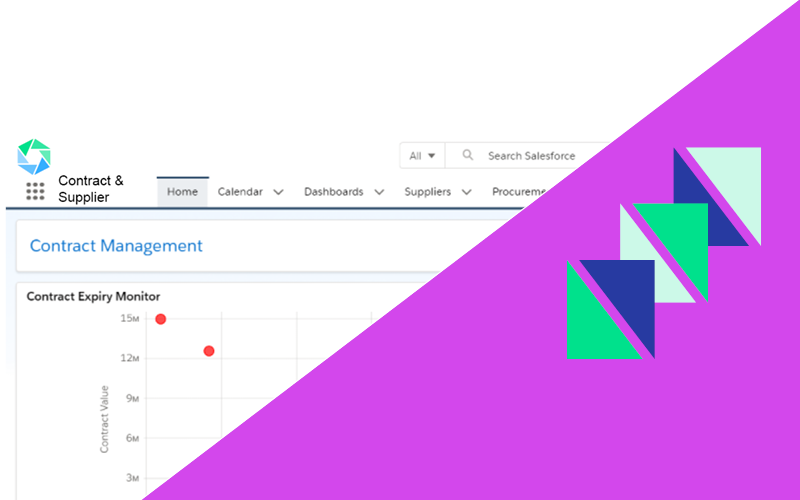 Our Contract & Supplier App puts your team in firm control of your key supplier relationships and provides a central repository for all contracts.
 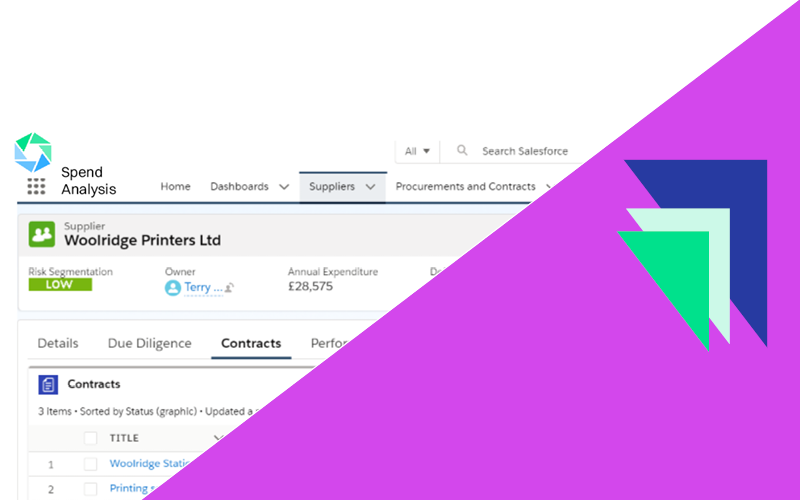 Our Enhancers ensure your solution is tailored to your needs. Pick and choose additional functionality that fits your requirements.
Social value has rapidly shifted from a procurement buzzword to a fundamental component of procurement strategies, particularly across the UK public and regulated sectors. Since the introduction of the Social Value Act and with increasing pressure on organisations to demonstrate Environmental, Social and Governance (ESG) commitments, procurement teams now face a dual responsibility: driving commercial value while also delivering measurable social and sustainable outcomes.
But many procurement professionals still grapple with a common challenge:
How do you move beyond well-intentioned commitments and actually embed social value throughout the contract lifecycle?
In this blog, we explore how procurement teams can integrate social value from the contract award stage right through to ongoing performance tracking and how the right contract lifecycle management tools can simplify and strengthen this process.
Why Social Value Matters More Than Ever in Procurement
Social value isn’t just about charity or philanthropy. In the context of procurement, it refers to the wider positive impacts an organisation can create through its commercial activities – from local job creation and skills development to environmental sustainability and supply chain diversity.
In the UK, the Public Services (Social Value) Act 2012, the Procurement Act 2023 and subsequent policy updates have required public sector bodies to consider social value explicitly in procurement decisions.
The benefits of embedding social value include:
- Enhanced supplier relationships: Collaborating on social value initiatives fosters deeper, more strategic supplier partnerships, driving shared accountability and mutual benefit.
- Stronger community ties: By delivering meaningful local benefits, procurement activities can directly support the communities in which organisations and their suppliers operate.
- Improved reputation and stakeholder trust: Demonstrating clear social value outcomes strengthens your organisation’s public image and reassures regulators, customers and employees alike.
- Long-term cost savings through sustainable procurement practices: Investing in social and environmental outcomes early often leads to efficiencies, innovation and reduced risks over the life of the contract.
However, translating social value policies into practice requires a shift in how contracts are awarded, managed and measured.
Step 1: Prioritising Social Value at Contract Award Stage
Social value should not be an afterthought once contracts are signed. To ensure meaningful outcomes, it needs to be embedded from the outset of the tendering process.
Key Actions:
- Define Clear Social Value Objectives Procurement teams should work with internal stakeholders to establish clear, achievable social value goals aligned with corporate ESG strategies. These could be standard requirements shared in all tenders and supplier assurance and include:
- Reducing carbon emissions through sustainable procurement
- Supporting local SMEs or diverse suppliers
- Creating apprenticeships or employment opportunities
- Promoting ethical labour practices
- Integrate Social Value Into Evaluation Criteria Social value commitments should form part of the supplier selection process, alongside price and quality. Weighted scoring can help ensure suppliers’ social value offers carry genuine significance.
- Ensure Supplier Clarity Clear documentation during the tender stage is critical. Suppliers must understand what social value outcomes are expected and how these will be monitored.
How Procurement Software Helps:
A robust contract management platform can automate the evaluation of supplier submissions, allowing procurement teams to score social value commitments alongside traditional criteria. Customisable templates and workflows make it easier to integrate social value weighting into tender documents, ensuring consistency and transparency.
Step 2: Embedding Social Value into Contract Clauses
To deliver on promises, social value needs to be contractually enforceable.
Key Actions:
- Draft Robust Social Value Clauses Include clear terms relating to social value commitments, including:
- Specific deliverables
- Milestones and deadlines
- Reporting obligations
- Remedies for non-compliance
- Clarify Governance Responsibilities Assign ownership for monitoring social value outcomes within your internal governance structures.
How Procurement Software Helps:
Leading contract lifecycle management tools enable procurement teams to embed mandatory social value clauses within contracts automatically, using clause libraries and version control. Automated workflows ensure internal legal and compliance reviews are completed efficiently before finalising contracts.
Step 3: Tracking Social Value Through Contract Performance
Perhaps the most common stumbling block in ESG procurement is the challenge of tracking social value delivery throughout the contract lifecycle.
Key Actions:
- Implement a Performance Monitoring Framework Establish KPIs and reporting mechanisms upfront to track social value. Examples include:
- Percentage of spend with local or SME suppliers
- Number of apprenticeships delivered
- Environmental impact reduction
- Community investment and volunteering targets
- Schedule Regular Reviews Contract review meetings should explicitly cover social value performance alongside operational KPIs.
- Encourage Supplier Collaboration Create open lines of communication with suppliers to review progress, address barriers and identify opportunities for greater impact.
How Procurement Software Helps:
Modern contract management solutions allow procurement teams to track social value performance across all contracts through integrated dashboards and reporting tools. Data from supplier reports can be captured, analysed and benchmarked automatically.
By centralising contract data, procurement teams gain real-time visibility of social value delivery across their entire portfolio.
The Role of Procurement Software in Delivering Sustainable Procurement
Beyond social value, the right technology plays a key role in delivering broader sustainable procurement goals.
Key Benefits of Contract Lifecycle Management Tools:
- Streamlined ESG Reporting: Automated workflows and integrated data capture simplify ESG reporting processes.
- Supplier Risk Assessment: Evaluate suppliers against ESG criteria such as modern slavery risks or environmental performance.
- Environmental impact reduction: Track supply chain emissions and set targets for reduction.
- Enhanced Supplier Collaboration: Supplier portals allow easy submission of social value data, certification evidence and progress updates.
Ultimately, the right procurement software removes the administrative burden of social value tracking and makes it easier for procurement teams to align their strategies with corporate ESG goals.
Common Mistakes to Avoid When Embedding Social Value
Even with the best intentions, many organisations fall into the same traps:
- Vague Social Value Clauses: Without specificity, commitments become difficult to monitor.
- Poor Supplier Communication: Suppliers need clarity on expectations and reporting formats.
- Lack of Internal Ownership: Social value often gets sidelined without clear internal governance.
- Neglecting Tech Tools: Relying on spreadsheets or disconnected systems makes long-term tracking almost impossible.
Avoiding these pitfalls requires a proactive, tech-enabled approach to contract lifecycle management.
Why Procurement Teams Need Practical Tools, Not More Pressure
Procurement teams today face a daunting workload. From managing complex supplier networks and navigating fluctuating costs to staying ahead of ever-evolving regulations – the demands on procurement professionals are endless. Adding social value to that list can sometimes feel like just another obligation to juggle.
The reality is that social value isn’t a ‘nice to have’ anymore – it’s a commercial and regulatory expectation. But with limited time and resources, many procurement teams struggle to move beyond policy documents and into meaningful delivery.
This is where the right procurement software becomes essential.
Rather than overwhelming procurement teams, technology must act as an enabler – giving professionals the breathing space and data insights they need to drive both operational excellence and long-term social impact.
Social Value Must Be Embedded, Not Bolted On
Social value is not a tick-box exercise. It requires meaningful integration into every stage of the contract lifecycle – from tendering and contract drafting to performance tracking and reporting.
By leveraging advanced contract lifecycle management and procurement software, procurement teams can:
- Build social value into supplier evaluations
- Embed enforceable social value clauses into contracts
- Track and report social value outcomes in real-time
This not only helps meet regulatory obligations but also strengthens supplier relationships, improves community outcomes and enhances corporate ESG performance.