
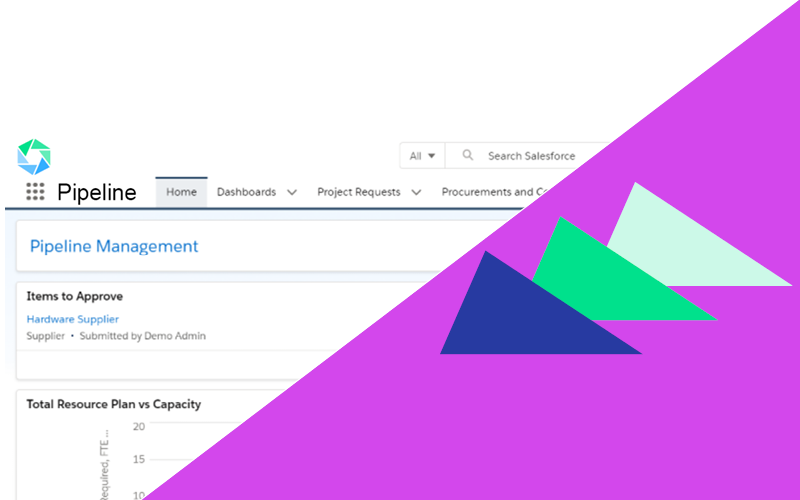
 Our Pipeline App empowers your team to plan ahead and forecast for upcoming procurement activities.
 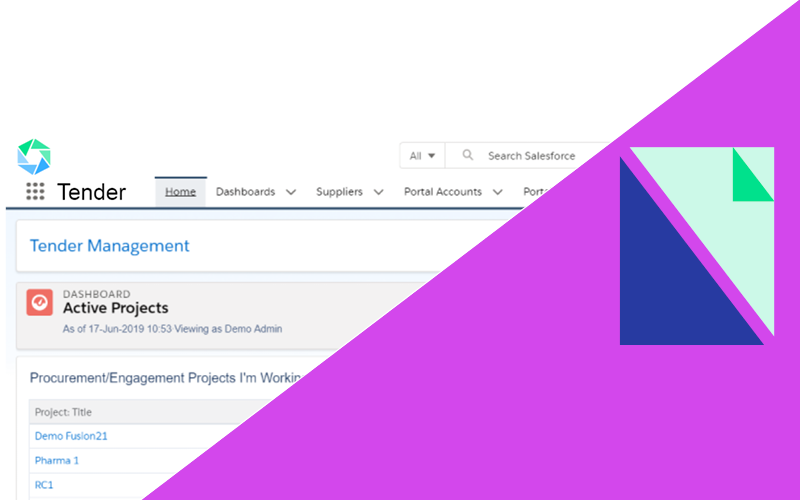 The Tender App allows your team to visualise all sourcing activities within your Atamis platform, from issuing tenders to receiving bids.
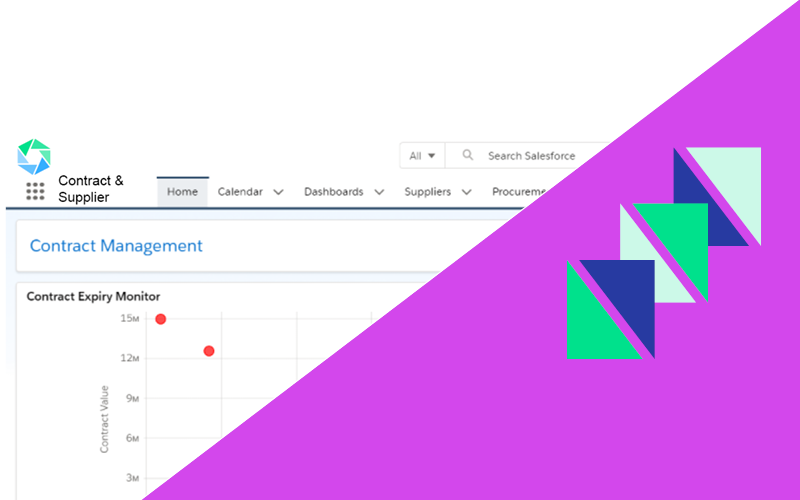 Our Contract & Supplier App puts your team in firm control of your key supplier relationships and provides a central repository for all contracts.
 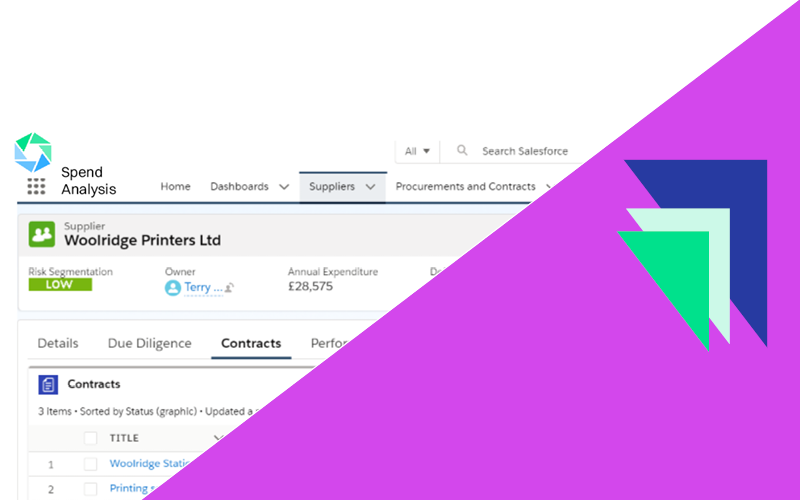 Our Enhancers ensure your solution is tailored to your needs. Pick and choose additional functionality that fits your requirements.
Strong supplier relationships don’t happen on their own. They’re built through consistent communication, clear expectations and data-led decision-making. For procurement teams, knowing how to improve supplier relationship management (SRM) is essential to meeting today’s challenges, from managing risk and cost pressures to delivering social value and sustainability.
But many teams still struggle with how to improve supplier relationship management in a practical, measurable way. Communication can be inconsistent, supplier data fragmented and performance management reactive at best. Without the right approach – and the right tools – SRM can fall short of its potential.
In this article, we explore proven strategies to strengthen SRM across your organisation. Backed by real functionality from the Atamis platform, these steps can help you build more resilient, collaborative and high-performing supplier relationships.
Centralise supplier information for full visibility
If your supplier data is spread across emails, spreadsheets and siloed systems, you’re likely operating without a complete view. Centralising supplier information is the first and most essential step in improving SRM.
With the Atamis Contract & Supplier App, procurement teams gain a secure, centralised hub for all supplier records, contracts, communications and performance data. This creates continuity across the team while also giving decision-makers the visibility they need to act confidently.
Having a single source of the truth reduces duplication, eliminates version-control issues and helps you base every supplier interaction on current, complete information.
Establish clear KPIs and performance monitoring
Strong SRM requires clarity. Without well-defined KPIs and regular performance tracking, it’s difficult to set expectations or hold suppliers to them. Typical KPIs might include:
- On-time delivery rates
- Invoice accuracy
- Responsiveness to queries
- SLA adherence
- Quality of goods or services
Atamis enables teams to capture contract-specific service levels and KPIs within the platform. The SLA Monitoring Enhancer automatically tracks these metrics and flags missed targets, while our Spend Analysis Enhancer helps teams understand supplier contribution to overall value.
Use this data to inform monthly or quarterly reviews, not just to address issues but to recognise improvements and highlight opportunities for growth.
Improve communication and supplier engagement
Communication is at the heart of SRM. Missed messages, delayed updates and ignored feedback can break down even the most promising supplier relationships.
That’s why it’s crucial to move away from disconnected emails and irregular check-ins. Modern SRM tools help procurement teams communicate with suppliers securely, issue tasks and track responses, all within one platform.
Scheduled reviews and supplier forums also build accountability and encourage collaboration. Opening up two-way communication channels allows suppliers to share feedback and even suggest process improvements, turning them into partners instead of just providers.
Automate risk management and due diligence
Proactive risk management is a core part of effective SRM, but relying on manual processes can be slow, inconsistent and difficult to scale. To stay ahead of potential issues, procurement teams need a smarter, more efficient approach.
With Atamis’ Supplier Assurance Enhancer, teams can automate risk assessments by issuing tailored questionnaires covering key areas such as information security, financial stability, modern slavery compliance and social value. Responses are logged against supplier records and configurable workflows ensure timely follow-up where needed.
This level of automation saves valuable time, reduces human error and helps ensure critical checks aren’t overlooked. Most importantly, it empowers procurement teams to act early, addressing risk before it becomes a disruption.
Use data to drive supplier development
Supplier development is a key part of SRM, not just tracking performance but actively helping suppliers improve and add more value. By using procurement data strategically, teams can work with suppliers to address challenges, strengthen capabilities and unlock greater long-term value for both parties.
Through Atamis, you can generate supplier performance dashboards and share them directly via the Supplier Portal. This transparency helps suppliers understand where they stand, take ownership of improvements and engage more proactively in the relationship.
Recognising top performers also builds goodwill and motivates others to aim higher. Conversely, for underperforming suppliers, the ability to pinpoint specific areas for improvement, such as delivery times, quality or responsiveness and track progress over time creates a clear, measurable path toward stronger delivery and more reliable outcomes.
Align supplier strategy with organisational goals
Supplier relationship management should do more than improve procurement performance, it should support your organisation’s broader strategic goals. That’s why supplier engagement strategies need to be aligned with the outcomes your business values most.
If sustainability is a key priority, set ESG-focused KPIs for suppliers and track them using custom scoring or automated questionnaires in Atamis. If your focus is innovation or cost reduction, collaborate with strategic suppliers on joint initiatives that deliver shared value.
The key is ensuring your suppliers understand and are committed to, your long-term direction. When alignment is in place, SRM becomes a strategic lever for advancing organisational success, not just a tool for contract compliance.
Create an end-to-end SRM workflow
SRM isn’t a one-off activity. It starts long before a contract is signed and continues well past delivery. Building an end-to-end SRM workflow ensures that suppliers are engaged consistently throughout their lifecycle.
With the Atamis Pipeline App, teams can plan upcoming sourcing needs, link them to business cases and forecast resource requirements. These insights feed directly into the Tender App, where pre-approved templates guide the tendering process. Once a contract is awarded, all relevant data flows seamlessly into the Contract & Supplier App.
This integration avoids data loss, streamlines handovers and ensures that supplier engagement is consistent and measurable from planning through to renewal. By embedding SRM into your core procurement process, your team reduces risk and builds more cohesive supplier partnerships.
Next steps
Atamis helps organisations embed these practices through flexible, fully integrated modules, supporting everything from early planning to post-award supplier performance.
If you’re ready to strengthen your supplier relationships and turn SRM into a strategic advantage, we’d love to show you how. Get in touch to explore how Atamis can support your procurement team.