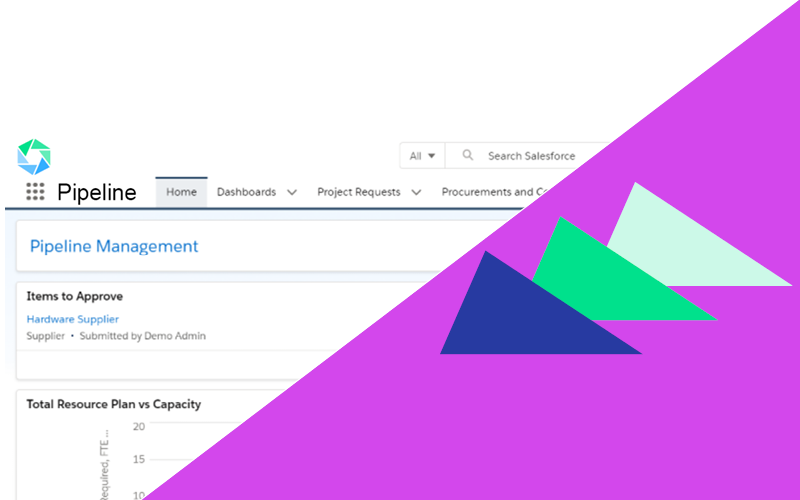
 Our Pipeline App empowers your team to plan ahead and forecast for upcoming procurement activities.
 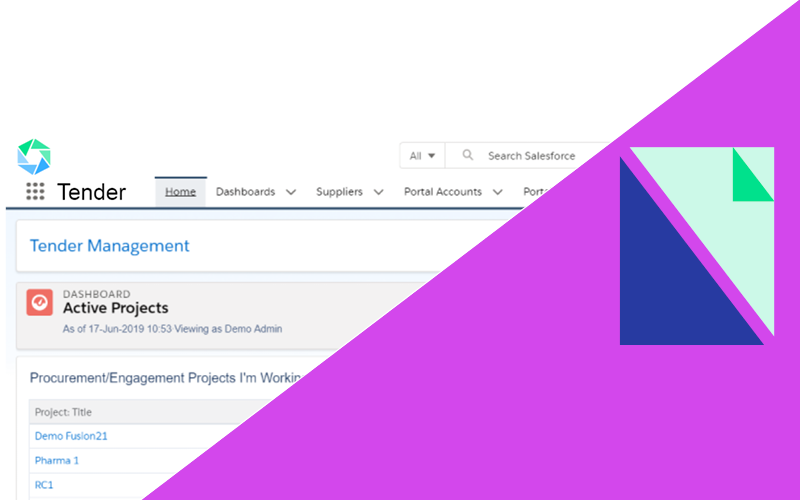 The Tender App allows your team to visualise all sourcing activities within your Atamis platform, from issuing tenders to receiving bids.
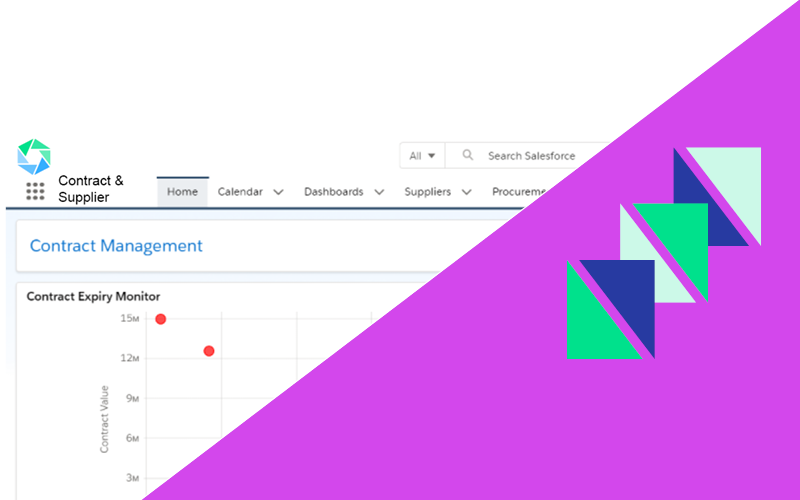 Our Contract & Supplier App puts your team in firm control of your key supplier relationships and provides a central repository for all contracts.
 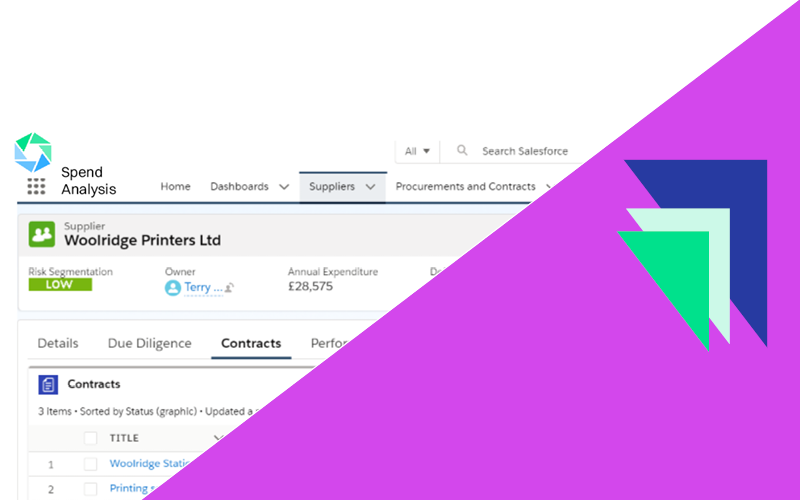 Our Enhancers ensure your solution is tailored to your needs. Pick and choose additional functionality that fits your requirements.
Supplier risk management has previously been treated as a box-ticking exercise. A once-a-year activity that made sense when supply chains were simpler, more local and more predictable.
But in 2025, that world no longer exists.
Procurement professionals across the UK, both in the public and private sectors are operating in an era defined by volatility. Geopolitical tensions, climate events, regulatory upheaval and supply chain disruption are now constants, not outliers. The organisations that thrive are those that can anticipate risk, adapt quickly and make data-driven decisions in real time.That’s why continuous supplier risk management is fast becoming the new standard for resilient procurement and why modern SRM software (vendor management software) and broader procurement software solutions are essential to making that possible.
From reactive to proactive: the evolution of supplier risk management
Historically, supplier risk assessments were static. Procurement teams would review suppliers annually (if at all), checking for financial viability, compliance documentation or quality certifications.
But this approach no longer reflects reality. Risks evolve daily. A political election, an unexpected merger, a cyber incident or a natural disaster can upend even the most stable supplier relationship overnight.
Today’s procurement teams need dynamic visibility. A continuous flow of supplier intelligence that keeps risk profiles up to date and ensures teams can respond before issues escalate.Modern SRM software solutions like Atamis provide exactly that. By combining live data feeds, automated alerts and configurable dashboards, procurement professionals gain a real-time view of supplier health, financial stability, ESG compliance, delivery performance and more. This is no longer a luxury; it’s the foundation of resilient, modern procurement.
Why continuity matters: the UK procurement context
The UK procurement landscape brings its own unique challenges.
- Regulatory pressures continue to evolve from the Procurement Act 2023 to new ESG disclosure requirements.
- Post-Brexit trade friction still complicates supply routes and logistics.
- Inflationary pressures and skills shortages add further strain to supplier performance.
- Geopolitical volatility including ongoing conflict in Eastern Europe and tensions in global shipping routes directly impacts cost, lead times and supplier reliability.
In this environment, having full visibility of your supplier base beyond Tier 1 is essential. A single point of failure – a small subcontractor struggling financially, for example – can cause major operational disruption and reputational damage.
Continuous supplier risk management, supported by a robust source-to-contract platform, ensures procurement teams can:
- Monitor supplier stability and compliance in real time.
- Spot early warning signs before they affect delivery or quality.
- Build resilience through diversification and data-led supplier development.
- Demonstrate due diligence and transparency to stakeholders and regulators.
The shift towards continuous visibility isn’t just an efficiency gain, it’s a strategic imperative for UK organisations aiming to future-proof their operations.
The technology behind continuous supplier risk management
At the heart of this transformation is technology.
Without digital tools, continuous risk management simply isn’t achievable. Manual spreadsheets and siloed data make it impossible to see the full picture, let alone act on it in time.
That’s where procurement software and SRM software specifically, come in.
Modern solutions combine multiple capabilities into a single, integrated environment:
1. Real-time risk data and alerts
AI-powered integrations or automation capabilities pull live data from financial reports and credit agencies such as Dun & Bradstreet to flag supplier changes instantly, whether it’s a sudden credit rating drop or a sanctions list update.
2. Configurable dashboards for actionable insights
Rather than waiting for reports, procurement teams can view supplier risk indicators in real time, segmented by category, region or business unit. Dashboards show where intervention is needed, helping teams prioritise high-risk areas efficiently.
3. Automated workflows and escalation paths
When a supplier risk threshold is breached, automated workflows trigger notifications and tasks, ensuring swift action without relying on manual follow-ups or email chains.
4. Integrated supplier performance data
Risk doesn’t exist in isolation. The best vendor management software integrates performance metrics (delivery times, quality issues, audit outcomes) giving a holistic view of supplier health.
5. End-to-end visibility across the lifecycle
A source-to-contract (S2C) solution ties risk management directly into sourcing, onboarding and contract performance. This means every decision, from awarding a tender to renewing a contract is informed by the most current supplier intelligence available.
Together, these capabilities turn supplier risk management from a compliance exercise into a strategic advantage.
The cost of limited visibility
Lack of insight exposes organisations to elevated risk:
- Financial risk: unseen subcontractors facing insolvency can cause upstream disruption.
- Compliance risk: hidden suppliers may breach modern slavery, carbon reporting or safety requirements.
- Operational risk: single-source dependencies remain unidentified until failure occurs.
Continuous risk management is the antidote to this problem. By using digital procurement software like Atamis to map multi-tier supply chains, organisations gain full visibility and can plan accordingly whether that means dual-sourcing, building buffer stock or developing alternative suppliers.
The value isn’t just in avoiding disruption, it’s in enabling strategic foresight. With the right data, procurement becomes the function that helps the business see around corners.
Risk management as a team sport
Resilient procurement isn’t just the responsibility of one team. It requires collaboration between finance, legal, sustainability and operations.
That’s why leading organisations are embedding supplier risk management into their broader governance frameworks, supported by integrated software solutions that break down silos.
When procurement software acts as the single source of truth for supplier data, everyone in the organisation benefits:
- Finance can better forecast spend and exposure.
- Legal gains confidence in compliance.
- Operations can plan capacity with fewer surprises.
- Leadership has a clear, data-backed view of risk exposure.
This cross-functional alignment is one of the hallmarks of modern, digitally enabled procurement.
Turning risk management into a value driver
For many years, supplier risk management was viewed as a defensive measure, something you did to avoid problems.
But in 2025, progressive procurement teams see risk management as a source of value creation.
When you have continuous visibility into supplier performance, you can:
- Optimise relationships with high-performing suppliers.
- Negotiate better terms based on transparent data.
- Collaborate strategically to drive innovation and sustainability.
- Build resilience that protects revenue and brand reputation.
In other words, effective risk management enables procurement to move from being a gatekeeper to being a strategic enabler.
And that shift is precisely what modern procurement software like Atamis is designed to support.
Why the right software partner matters
Not all procurement software providers deliver the same level of partnership.
The right software partner doesn’t just provide a platform; they work alongside your team to embed best practice, configure meaningful dashboards and ensure your risk data actually drives action.
They understand your operating environment, whether that’s public sector procurement frameworks or complex private-sector supply chains and help you adapt the technology to meet your goals.
Procurement leaders should expect their technology partner to bring continuous innovation and guidance, not just maintenance. The right partner helps you move beyond implementation to genuine transformation.
A new standard for resilient procurement
As organisations across the UK continue to navigate uncertainty, one thing is clear: the era of static supplier risk management is over.
Continuous, data-driven visibility is the new baseline and source-to-contract software like Atamis provides the foundation for it.
By investing in the right procurement technology, organisations can:
- Eliminate blind spots beyond Tier 1.
- Detect and respond to emerging risks in real time.
- Build stronger, more collaborative supplier relationships.
- Empower procurement teams to focus on strategy, not admin.
In short, continuous supplier risk management isn’t just about avoiding disruption, it’s about building resilience, agility and confidence in every decision you make.
Final thoughts
The procurement leaders redefining success today are those who understand that risk management and resilience are two sides of the same coin.
They’re using SRM software (vendor management software) and intuitive procurement software like Atamis not simply as tools for control, but as enablers of trust, visibility and long-term value.
Because in a world where the only certainty is uncertainty, continuous supplier risk management isn’t optional, it’s essential.