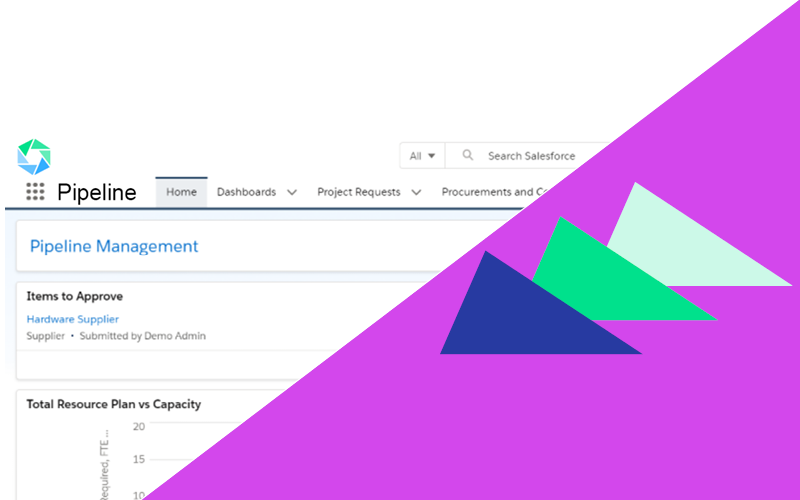
 Our Pipeline App empowers your team to plan ahead and forecast for upcoming procurement activities.
 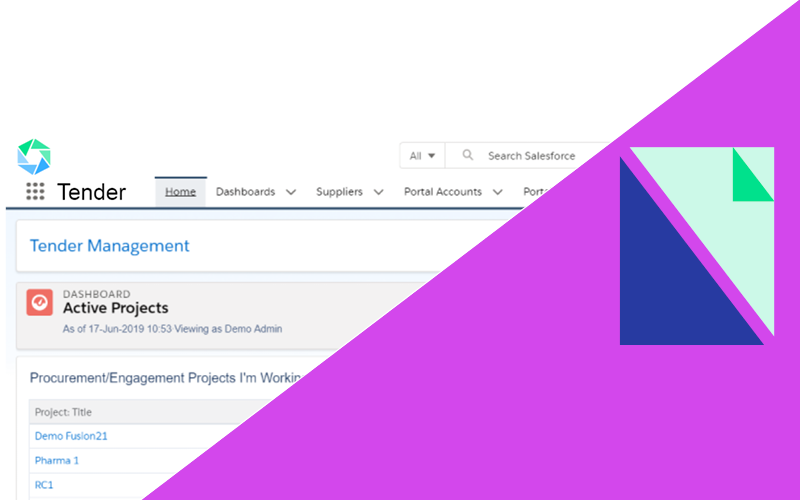 The Tender App allows your team to visualise all sourcing activities within your Atamis platform, from issuing tenders to receiving bids.
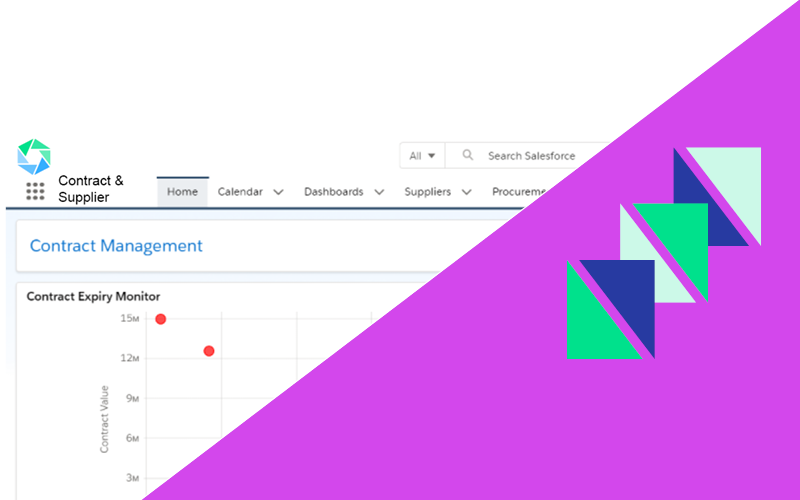 Our Contract & Supplier App puts your team in firm control of your key supplier relationships and provides a central repository for all contracts.
 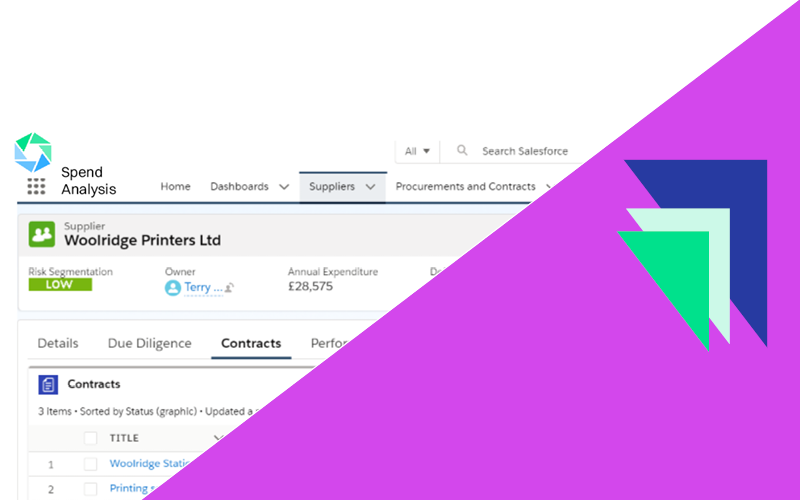 Our Enhancers ensure your solution is tailored to your needs. Pick and choose additional functionality that fits your requirements.
For decades, procurement was seen as a cost-control function, a back-office activity focused on price, process and compliance. But in 2025, procurement is coming into its own and taking up its rightful place at the heart of strategic business transformation.
From managing inflationary pressures to meeting sustainability targets and ensuring supply chain resilience, procurement has become a driver of value, agility and innovation.
Yet many organisations are still trying to meet modern demands with outdated tools, spreadsheets, siloed systems and manual workflows that belong to a different era.
That’s why eProcurement is no longer optional.
In a world defined by uncertainty, speed and scrutiny, organisations that continue to rely on manual processes risk falling behind, not just in efficiency, but in competitiveness, compliance and credibility.This article explores why eProcurement has become essential for modern organisations, what benefits it delivers across public and private sectors, and how the right eProcurement software or procurement software solution can transform the way your team operates.
What is eProcurement and why does it matter?
At its simplest, eProcurement (or electronic procurement) is the digital management of the entire procurement process, from sourcing and supplier onboarding to purchase order creation, and contract management.
But eProcurement is far more than automation. It represents a fundamental shift in how organisations manage spend, risk and supplier relationships.
By digitising procurement, teams gain:
- Visibility across every stage of the procurement lifecycle.
- Control over spend, approvals, and compliance.
- Speed and efficiency through automation of routine tasks.
- Data insight for better strategic decisions.
- Collaboration across departments and supply chains.
In short, eProcurement transforms procurement from a reactive process to a proactive, value-driven function, one that contributes directly to organisational resilience and growth.
The 2025 procurement landscape: a perfect storm of pressures
Procurement in the UK faces a uniquely complex landscape in 2025. Several converging pressures are making manual, paper-based processes untenable:
1. Economic volatility and cost inflation
Persistent inflation, currency fluctuations and rising labour and logistics costs continue to pressure margins. Procurement teams must track spend, negotiate better deals and identify savings faster than ever, all of which requires accurate, real-time data.
2. Supply chain disruption
Geopolitical instability, ongoing trade friction and global logistics challenges have exposed the fragility of traditional supply chains. eProcurement software enables continuous supplier visibility, helping teams identify risks and pivot quickly when disruption hits.
3. ESG and regulatory expectations
Public and private sector organisations alike are under pressure to demonstrate social value, environmental sustainability and ethical sourcing. eProcurement systems capture and monitor supplier ESG data, making compliance and reporting far simpler.
4. Digital transformation mandates
Across industries, digital transformation has accelerated. Finance, HR and operations have already modernised their systems, procurement is now expected to follow suit. Manual processes are no longer defensible in an environment where stakeholders demand transparency and accountability.The result? Digital procurement has moved from a “nice to have” to a business necessity.
From cost control to value creation
Historically, procurement’s role was to secure the best possible price. But cost is only one part of the equation.
Today’s leaders are measured by how effectively they deliver value, through supplier innovation, operational efficiency, risk mitigation and sustainability.
That shift requires visibility across every supplier, contract, and transaction, something only eProcurement software can provide.
When organisations digitise procurement, they unlock the ability to:
- Track spend in real time.
- Identify cost leaks and maverick buying.
- Benchmark supplier performance.
- Measure value against strategic goals, not just savings.
In other words, eProcurement helps procurement move from a tactical to a strategic function, one that enables smarter business decisions and contributes directly to competitive advantage.
The core components of modern eProcurement software
Not all eProcurement software is created equal. The most effective systems are designed to integrate seamlessly across the procurement lifecycle, providing end-to-end visibility and control.
Key capabilities include:
1. Digital sourcing and tender management
eProcurement platforms streamline RFQs, RFPs and tenders, automating supplier communication, evaluation and scoring. This reduces cycle times and ensures fairness and transparency, particularly important in UK public procurement.
2. Contract management
Integrated contract management software ensures every agreement is tracked from creation through renewal. Automated alerts prevent missed expiries, while digital repositories make it easy to monitor compliance and performance.
3. Supplier management and onboarding
Modern SRM software and vendor management tools simplify onboarding, verification and performance tracking. This builds a more reliable, transparent and compliant supplier base.
4. Spend analytics
Procurement software aggregates spend data across categories and departments turning fragmented information into actionable insight. Dashboards highlight trends, risks and opportunities for efficiency.
5. Approvals and workflows
Customisable approval chains ensure compliance with internal governance and external regulations, while automation speeds up purchasing decisions and reduces administrative overhead.
Together, these components form the backbone of a connected procurement ecosystem, one that drives both operational excellence and strategic foresight.
The benefits of eProcurement for UK organisations
Whether in the public or private sector, the case for eProcurement is clear. Let’s break down the tangible benefits:
1. Efficiency and productivity
Manual processes are slow, error-prone and resource-intensive. eProcurement software automates repetitive tasks, freeing teams to focus on strategic, value-adding work.
2. Cost control and savings
Digitised workflows reduce maverick spend, enforce budget compliance and enable better supplier negotiations through data-led insights. Many UK organisations see ROI within the first year of implementation.
3. Enhanced compliance and auditability
Public procurement in particular faces growing scrutiny. eProcurement platforms create a complete digital audit trail, ensuring transparency, accountability and adherence to regulatory frameworks like the UK Procurement Act 2023.
4. Risk reduction
By integrating supplier risk monitoring and performance tracking, eProcurement systems help identify vulnerabilities early, protecting against disruption, non-compliance and reputational damage.
5. Strategic supplier relationships
With full visibility into performance and compliance, procurement can move beyond transactional oversight to strategic partnership, driving innovation, sustainability and long-term value creation.
In essence, eProcurement enables procurement teams to work smarter, not harder.
Public sector eProcurement: leading by example
The UK public sector has been at the forefront of eProcurement adoption, driven by legislative reform and a need for greater transparency and efficiency.
With the Procurement Act 2023 introducing simplified procedures and heightened expectations for social value and sustainability, digital procurement has become integral to compliance and performance.
Councils, NHS trusts and central government departments are increasingly investing in eProcurement software that provides:
- Centralised supplier databases to ensure due diligence.
- Automated reporting to meet social value and wider ESG requirements.
- Transparent evaluation and scoring processes to support fair competition.
By embracing eProcurement, public bodies are not just improving efficiency, they’re setting the standard for accountability and best practice.
Private sector eProcurement: driving resilience and innovation
In the private sector, the motivation is equally compelling, though the focus often lies on agility, risk mitigation and supplier collaboration.
The events of recent years have underscored the importance of resilient supply chains. Manufacturers, retailers and service providers alike are turning to procurement software to gain real-time visibility of supplier dependencies and performance.
With eProcurement, organisations can:
- Identify supply chain bottlenecks before they escalate.
- Automate supplier qualification and onboarding to reduce disruption.
- Use data insights to negotiate better commercial terms.
- Collaborate with suppliers to co-develop sustainable innovations.
Digital procurement doesn’t just protect businesses, it positions them to lead.
The cost of inaction
Despite the clear benefits, many organisations still hesitate to invest in eProcurement. Common barriers include perceived cost, implementation complexity or a belief that “our current system works fine.”
But the cost of inaction is far greater.
Without eProcurement:
- Spend leaks continue unnoticed.
- Risk exposure increases due to poor supplier visibility.
- Audit failures and compliance breaches become more likely.
- Procurement teams remain bogged down in admin instead of focusing on value.
In 2025, standing still means falling behind. Competitors adopting digital procurement are already reaping the rewards: faster decisions, smarter insights and stronger supplier relationships.
Choosing the right eProcurement software
Selecting an eProcurement solution isn’t just about technology, it’s about partnership.
The right provider will take time to understand your organisation’s structure, maturity and challenges, tailoring implementation and support accordingly.
When evaluating eProcurement software, consider:
- Integration: Can it connect seamlessly with your ERP and/or finance systems?
- Configurability: Does it adapt to your processes rather than forcing you to fit its model?
- User experience: Is it intuitive and accessible for stakeholders across departments?
- Analytics capability: Does it offer real-time reporting and actionable insight?
- Vendor support: Will your provider act as a strategic partner, not just a software vendor?
Investing in a platform that evolves with your needs, rather than one that simply automates your current processes, will deliver the greatest long-term value.
Final thoughts: from optional to essential
In 2025, eProcurement isn’t just a tool, it’s the infrastructure that enables procurement to thrive in a complex, connected world.
It delivers efficiency, transparency and control, but more importantly, it empowers procurement teams to focus on strategy, resilience and long-term value.
The question facing organisations is no longer “should we go digital?” but “can we afford not to?”
Because while the pace of change continues to accelerate, one thing is clear:
Procurement’s future is digital.And the organisations embracing eProcurement software today will be the ones leading tomorrow.