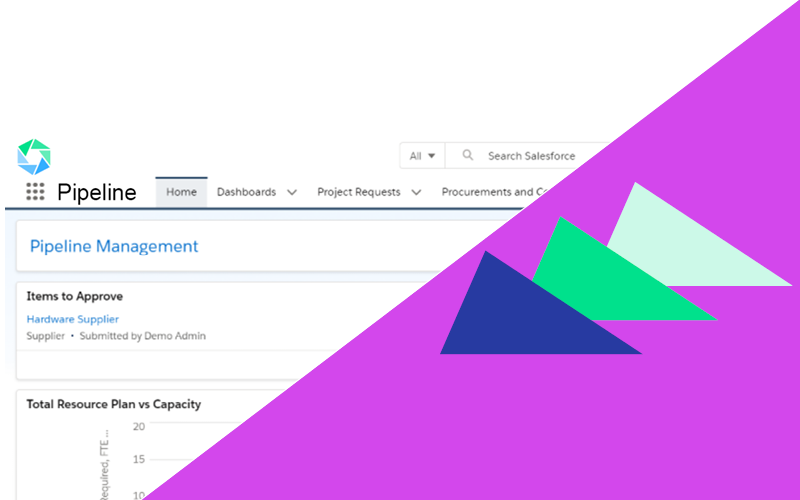
 Our Pipeline App empowers your team to plan ahead and forecast for upcoming procurement activities.
 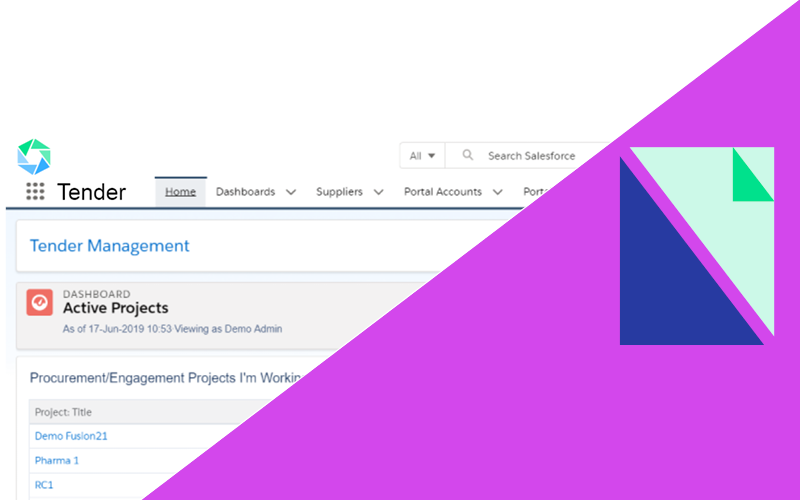 The Tender App allows your team to visualise all sourcing activities within your Atamis platform, from issuing tenders to receiving bids.
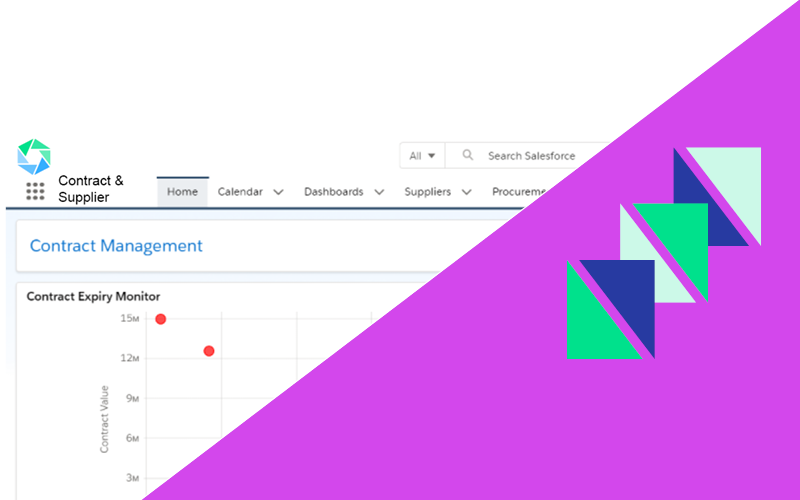 Our Contract & Supplier App puts your team in firm control of your key supplier relationships and provides a central repository for all contracts.
 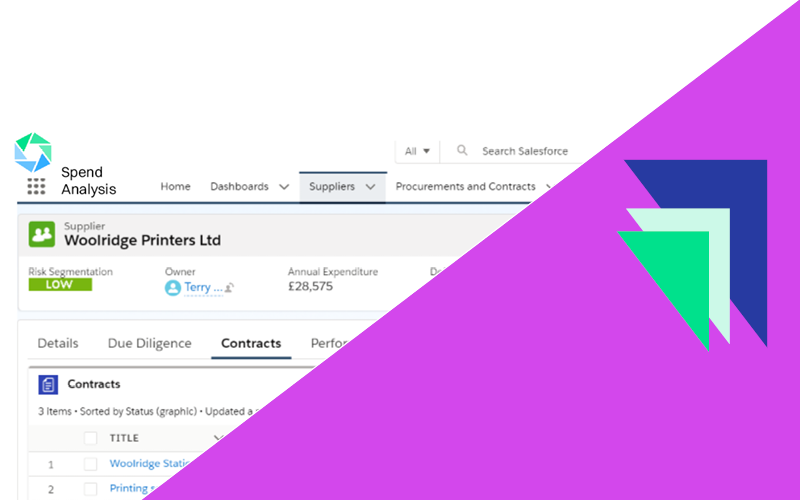 Our Enhancers ensure your solution is tailored to your needs. Pick and choose additional functionality that fits your requirements.
In procurement, success doesn’t just hinge on processes, data or technology it hinges on people.
While sophisticated supplier relationship management software (SRM software), vendor management software and contract management tools can help streamline procurement workflows and mitigate risk, it’s the relationship between different people that often present the biggest challenges.
Every procurement professional has encountered stakeholders who make collaboration more complicated than it needs to be. Understanding these personalities, their motivations and their impact on supplier management is critical to building strong, effective supplier relationships and getting the most from your supplier relationship management software.
In this blog, we’ll explore eight common types of difficult procurement stakeholders, how they interact with SRM processes and strategies, often supported by supplier risk software or contract management software to manage them effectively.
1. The Micro-Manager
Who they are:
The micro-manager wants to know every detail, from supplier selection to day-to-day communication. They scrutinise every invoice, approval and contract amendment.
Impact on SRM:
While their attention to detail can prevent oversights, micro-managers often slow down processes, delay approvals and create bottlenecks in supplier onboarding or performance reviews. They may also resist delegating tasks within your vendor management software, making it difficult to leverage automation effectively.
Managing them:
- Use supplier relationship management software dashboards to provide real-time insights, so they don’t feel the need to dig manually.
- Standardise reporting to address their need for control while keeping processes efficient.
Highlight automation features in contract management software that maintain oversight without constant manual intervention.
2. The Risk-Averse Stakeholder
Who they are:
Risk-averse stakeholders are highly cautious about supplier choice, contract terms and compliance. They are focused on avoiding mistakes rather than pursuing strategic opportunities.
Impact on SRM:
Their reluctance to take calculated risks can slow down procurement cycles and reduce flexibility in supplier negotiations. While they appreciate supplier risk software, they may demand excessive verification, documentation or approvals.
Managing them:
- Use data from supplier risk management software to reassure them with evidence of supplier reliability.
- Create risk dashboards that highlight compliance, financial stability and performance metrics in real time.
- Emphasise the transparency and audit trails provided by contract management software.
3. The Cost-Obsessed Stakeholder
Who they are:
This person views procurement purely through the lens of price. Every decision is about cost reduction, often at the expense of quality, supplier relationships or long-term strategic value.
Impact on SRM:
Cost-obsessed stakeholders may push for frequent supplier changes, oppose long-term contracts and undervalue the importance of strong supplier partnerships. Their focus on price can conflict with supplier relationship management software initiatives designed to track supplier performance, innovation or ESG compliance.
Managing them:
- Use SRM tools to demonstrate total value, not just cost but highlighting KPIs, supplier performance and cost avoidance.
- Show the financial impact of supplier failures or poor service through contract management software, emphasising long-term savings versus short-term cuts.
4. The Bureaucrat
Who they are:
The bureaucrat thrives on process and policy, often slowing procurement down with rigid rules. Every decision must pass through multiple approvals or committees.
Impact on SRM:
Excessive bureaucracy can create friction with suppliers and make vendor management software less impactful, especially if approvals or workflows are delayed. Supplier engagement suffers when communication feels slow and formal.
Managing them:
- Map approval workflows within contract management software to automate steps while respecting their need for oversight.
- Provide visibility into process stages via SRM dashboards, reducing unnecessary status inquiries.
- Offer structured templates for communications to satisfy procedural requirements without stalling progress.
5. The Firefighter
Who they are:
Firefighters react to problems rather than preventing them. They often escalate issues only after they become critical, creating chaos for procurement teams and suppliers alike.
Impact on SRM:
Supplier performance issues, contract breaches or delivery delays are handled reactively, undermining proactive SRM practices. Supplier risk software is underutilised if alerts and predictive analytics aren’t acted upon.
Managing them:
- Implement supplier relationship management software with automated alerts for SLA breaches, compliance issues or financial risks.
- Educate them on the benefits of proactive risk management and how SRM tools can help reduce crises.
- Create clear protocols for escalation that turn reactive behaviour into structured, timely action.
6. The Innovator
Who they are:
The innovator is forward-looking and ambitious, often pushing procurement to explore new suppliers, technologies or markets. While exciting, their ideas can sometimes outpace organisational readiness.
Impact on SRM:
Innovators can clash with more cautious stakeholders, especially regarding supplier selection, risk assessment or adherence to contracts. Their enthusiasm for new solutions may bypass established procedures or risk controls.
Managing them:
- Align innovation initiatives with SRM metrics to demonstrate strategic impact.
- Use vendor management software to trial new suppliers in controlled pilots, tracking performance and risk.
- Integrate innovation goals with contract templates to ensure compliance without stifling creativity.
7. The Isolated Expert
Who they are:
An isolated expert is highly knowledgeable in a specific area, perhaps category management or compliance but tends to work in silos, reluctant to share information or collaborate.
Impact on SRM:
Knowledge hoarding can prevent supplier relationship management software from being used to its full potential. Supplier performance insights, risk data, or contract updates may be inaccessible to other stakeholders, reducing organisational efficiency.
Managing them:
- Encourage collaboration through SRM dashboards and role-based access in contract management software, so insights are visible but controlled.
- Demonstrate how sharing expertise enhances both supplier performance and personal recognition within procurement.
- Provide structured knowledge-sharing sessions that integrate with supplier risk software analytics.
8. The Change Resister
Who they are:
Change resisters prefer the familiar. They’re sceptical of new tools, processes or supplier relationships, often preferring legacy methods over modern SRM software or automated workflows.
Impact on SRM:
Their reluctance slows adoption of digital procurement tools, undercuts strategic initiatives and reduces the effectiveness of data-driven supplier management.
Managing them:
- Demonstrate clear benefits of supplier relationship management software and vendor management tools with real-world examples.
- Provide training and incremental adoption plans to reduce fear of change.
- Highlight time savings and error reduction through automation in contract management software, showing them that SRM can make work easier, not harder.
How SRM Software Helps Navigate Stakeholder Challenges
Each of these stakeholder personas brings unique challenges to procurement, but modern technology can help mitigate friction and drive alignment:
- Centralised data and dashboards: Everyone sees the same supplier performance, risk and compliance metrics in real time.
- Automated workflows: Reduce manual approvals and delays, helping bureaucrats and micro-managers feel in control without slowing the team.
- Predictive risk management: Firefighters and risk-averse stakeholders gain early warnings to prevent crises.
- Supplier collaboration tools: Improve engagement with innovators and isolated experts by providing structured communication channels.
- Compliance and audit trails: Reassure cost-obsessed, risk-averse or bureaucratic stakeholders that processes are consistent and auditable.
By combining supplier relationship management software, supplier risk software, contract management tools and vendor management software, procurement teams can handle even the most challenging personalities while maintaining supplier performance and reducing risk.
Conclusion
Stakeholders make or break procurement success. Recognising difficult personas and understanding how they influence SRM practices is essential for driving supplier performance, managing risk and optimising procurement processes.
Technology alone won’t solve human challenges, but the right supplier relationship management software enables procurement teams to work smarter, reduce friction and create visibility across the supplier lifecycle. From micro-managers to innovators, proactive use of SRM, contract and risk management tools helps align stakeholders around common goals, strengthen supplier relationships and deliver measurable value to the organisation.
Need a source-to-contract platform that keeps every stakeholder aligned and assured?
Speak to our team today
Get a Demo