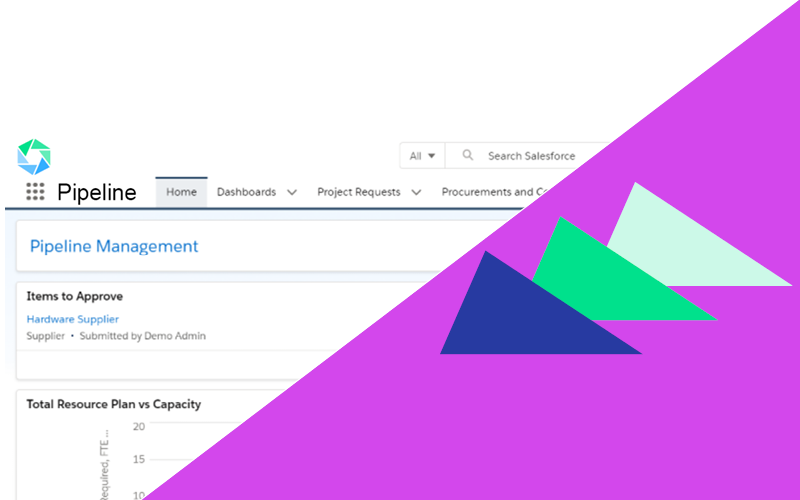
 Our Pipeline App empowers your team to plan ahead and forecast for upcoming procurement activities.
 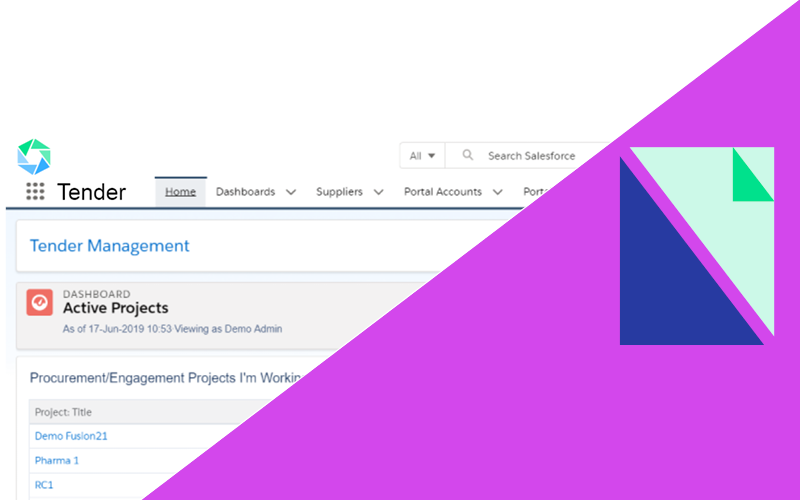 The Tender App allows your team to visualise all sourcing activities within your Atamis platform, from issuing tenders to receiving bids.
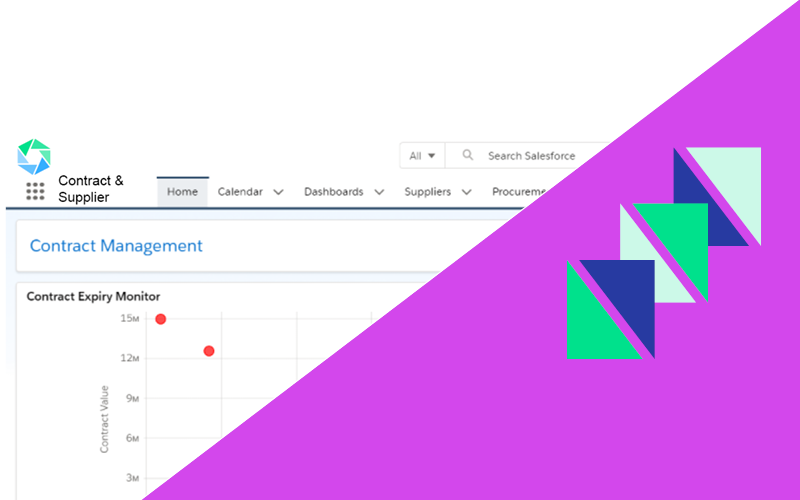 Our Contract & Supplier App puts your team in firm control of your key supplier relationships and provides a central repository for all contracts.
 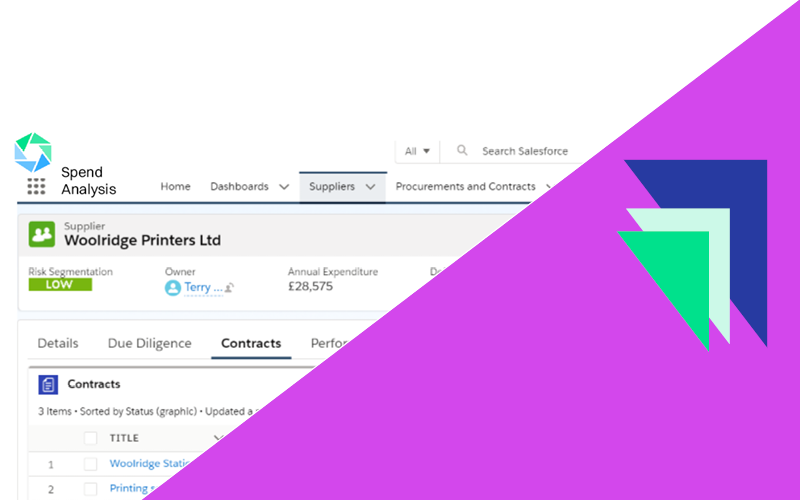 Our Enhancers ensure your solution is tailored to your needs. Pick and choose additional functionality that fits your requirements.
For too long, contract management in procurement has been viewed as an administrative task, a necessary but uninspiring process for storing, tracking and renewing contracts. But in 2025, that view is dangerously outdated.
The most forward-thinking procurement teams in the UK and beyond are reframing contract management as a strategic capability, one that strengthens supplier relationships, reduces risk and drives measurable commercial value.
Modern contract management software is no longer just a digital filing cabinet – although it’s surprising how many procurement teams still don’t have a central repository for their contracts.
When integrated within a broader source-to-contract (S2C) or supplier relationship management (SRM) ecosystem, it becomes a dynamic tool for performance management, collaboration and innovation.
So what does it take to move beyond compliance and unlock the strategic advantage hidden within your contracts? Let take a look.
How smarter contract management in procurement drives strategic value beyond compliance.
The Compliance Comfort Zone
Compliance has always been the foundation of contract management.
Procurement teams must ensure that agreements are legally sound, obligations are tracked, and suppliers adhere to agreed terms. Missed renewals, unmonitored clauses and version confusion can all lead to financial or reputational damage.
Is compliance itself enough?
A compliant contract repository might prevent costly mistakes, but it doesn’t inherently create value. It doesn’t improve supplier collaboration, mitigate emerging risks or identify opportunities for savings and innovation.
In other words, it ensures you’re doing things right, but not necessarily doing the right things. This is where leading organisations are differentiating themselves. They’re leveraging modern contract management software not only to ensure compliance but also to elevate contracts into strategic instruments.
The Strategic Contract Mindset
The shift from compliance to strategy starts with mindset.
Instead of viewing contracts as static legal documents, procurement leaders are treating them as living frameworks for performance, risk management and collaboration.
From Legal Documents to Living Partnerships
Think about it this way: every contract represents an ongoing relationship between your business and a supplier. It defines not just what’s been bought, but how success will be measured, how risks will be shared and how both sides can adapt when circumstances change.
In the hands of a strategic procurement team, contract management becomes a relationship management tool, one that bridges the gap between legal precision and commercial performance.
Plus, when your contract management solution integrates with SRM software, supplier risk software and other vendor management systems, that’s where the real value begins to unfold.
How Integrated Contract Management Delivers Strategic Advantage
Here are six ways modern procurement teams are using contract management to move beyond compliance and towards strategic advantage.
1. Turning Data into Intelligence
Contracts are rich in data. Pricing models, SLAs, KPIs, renewal dates and risk indicators all sit within these documents. Yet, in many organisations, that intelligence is buried in PDFs or spreadsheets.
By digitising and centralising contracts within contract management software, procurement teams can extract and analyse this data to make smarter decisions.
For instance:
- Identify suppliers who consistently miss performance targets
- Track spend leakage against negotiated terms
- Flag contracts with outdated risk clauses
- Benchmark contract performance across categories
When connected with your supplier relationship management software, this data becomes even more powerful, offering a 360 degree view of supplier performance and compliance across the lifecycle.
That’s how leading organisations are transforming their contracts from passive records into active sources of insight.
2. Strengthening Supplier Relationships
Contracts shouldn’t signal the end of supplier engagement; they should mark the start of a performance partnership.
With integrated SRM and contract management software, procurement teams can align contract KPIs directly with supplier scorecards and review meetings. This ensures that expectations set at the contracting stage are monitored in real time, not rediscovered at renewal.
This transparency fosters trust and accountability. Suppliers can see how their performance is being measured and where improvements are needed. Meanwhile, buyers gain early visibility of underperformance or potential innovation opportunities. It’s a model built on collaboration rather than enforcement, a hallmark of modern supplier relationship management.
3. Enhancing Risk Visibility and Resilience
If the pandemic, geopolitical shifts and supply chain disruptions of recent years taught procurement anything, it’s that risk management must be proactive, not reactive.
Yet too often, risk sits hidden within contract terms, force majeure clauses, insurance requirements or supply dependencies that no one revisits until a crisis hits.
By linking contracts to a supplier risk management system, procurement teams can map out potential vulnerabilities before they escalate.
For example:
- Which critical suppliers have lapsed insurance certificates?
- Which contracts depend on single-source supply chains?
- Are ESG obligations being met as agreed?
Integrated supplier risk software and contract management tools make these insights visible and actionable. Procurement leaders can monitor, mitigate and report on risk with confidence, protecting both operational continuity and reputation.
4. Driving ESG and Regulatory Outcomes
ESG (Environmental, Social and Governance) goals have moved from aspiration to expectation. Regulators, investors and consumers alike are demanding proof of ethical sourcing, carbon reduction and supply chain transparency.
Contracts are a key mechanism for embedding these commitments.
Through contract lifecycle management software, procurement teams can:
- Embed ESG clauses and reporting requirements during contract authoring
- Track supplier compliance against sustainability metrics
- Ensure renewal workflows include ESG performance reviews
By aligning SRM and contract management systems, organisations can go beyond tick-box compliance, demonstrating measurable progress toward their sustainability targets.
It’s a tangible example of how digital procurement tools can translate purpose into performance.
5. Accelerating Time-to-Value with Automation
Manual contract processes remain a drain on procurement efficiency. Drafting, approval routing, version control and renewal tracking can consume significant time and introduce unnecessary risk.
Modern contract management software automates these workflows. With configurable approval routes and digital signatures, teams can accelerate contract creation and execution without sacrificing governance.
When integrated with your source-to-contract platform, the benefits compound:
- Faster sourcing-to-signature cycle times
- Real-time visibility for all stakeholders
- Automatic alerts for renewals and obligations
This automation not only reduces administrative burden, but it also frees up procurement to focus on value creation, supplier innovation and strategic planning.
6. Enabling Continuous Improvement
In high-performing procurement functions, contracts are not “signed and forgotten.” They’re reviewed, measured and improved upon continuously.
Through integrated vendor management software and SRM tools, teams can analyse contract performance trends and identify opportunities for renegotiation or innovation.
Maybe a supplier has consistently overdelivered, warranting a partnership discussion. Or perhaps a category’s market conditions have shifted, creating leverage for cost optimisation.
Whatever the insight, the goal is the same: to ensure every contract evolves in step with the business, market and supplier landscape.
That’s what separates strategic procurement teams from those still managing contracts as static files.
Bringing It All Together: The Power of Source-to-Contract Solutions like Atamis
A standalone contract management system delivers clear benefits: compliance, visibility and efficiency. But the real transformation happens when it sits at the heart of an integrated source-to-contract (S2C) ecosystem.
Why Integration is the Real Game-Changer
When your sourcing, contract management and supplier relationship management tools work seamlessly together, you unlock end-to-end visibility and control.
Imagine:
- A sourcing event that automatically populates key terms into a digital contract template
- A signed contract that immediately triggers supplier onboarding
- A live supplier dashboard that tracks performance, risk and compliance against contract obligations
That’s the future of procurement: connected, intelligent and strategic.
It’s also a future that’s achievable today with the right modular software approach. Whether you’re starting with contract management or building towards a full S2C suite, integration is the key to unlocking cumulative value.
Practical Steps to Move Beyond Compliance
If you’re ready to elevate your contract management from administrative to strategic, here are five practical steps to get started:
1. Audit your current process
Identify where contracts live today, how they’re managed and who’s responsible for key stages. Map out your pain points, from renewal delays to data silos.
2. Digitise and centralise
Move away from shared drives and spreadsheets. Implement a central contract management solution that captures all contracts, clauses and key dates in one accessible, searchable platform.
3. Integrate supplier data
Streamline approvals, notifications and renewals. The goal is not just efficiency, it’s consistency and control.
4. Automate workflows
Streamline approvals, notifications and renewals. The goal is not just efficiency, it’s consistency and control.
5. Analyse and act
Use dashboards and analytics to measure supplier performance, contract value and risk exposure. Then, turn those insights into continuous improvement actions.
Each step moves procurement closer to a world where contracts are engines of value.
Conclusion
In 2025, contract management in procurement has outgrown its administrative roots.
It’s no longer about ticking boxes or chasing signatures. It’s about driving supplier performance, mitigating risk, embedding sustainability and unlocking strategic advantage.
From Administration to Strategic Impact
By adopting integrated, intelligent tools like contract management software, SRM software and supplier risk software, procurement leaders can transform how their organisations engage with suppliers and how value is delivered over time.
The shift from compliance to strategy doesn’t happen overnight. But every digital step you take, every process automated, every contract centralised, every insight acted upon moves procurement closer to where it belongs: at the strategic heart of the business.
Because when contracts are managed strategically, compliance becomes the baseline and performance becomes the goal.
Ready to Transform Your Contract Management?
If you’re ready to take contract management in procurement beyond compliance, discover how Atamis can help. Book a demo today.