
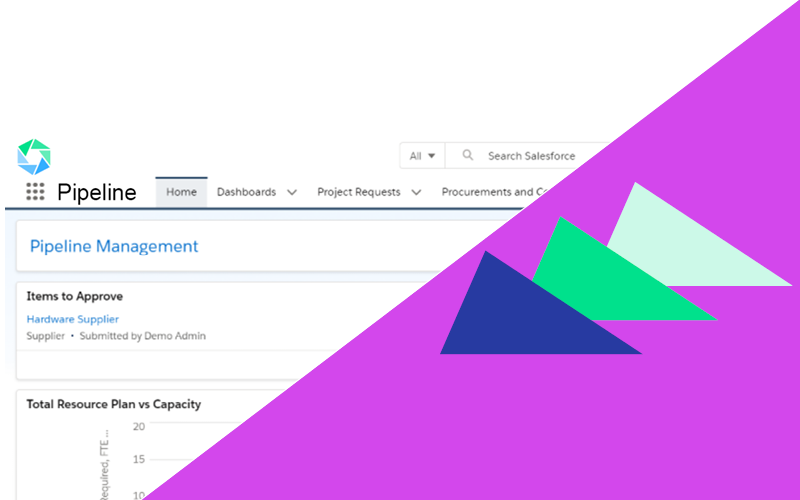
 Our Pipeline App empowers your team to plan ahead and forecast for upcoming procurement activities.
 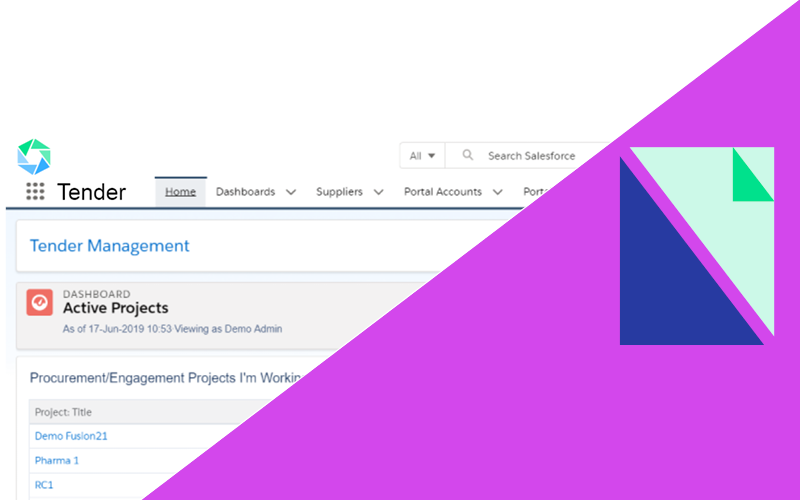 The Tender App allows your team to visualise all sourcing activities within your Atamis platform, from issuing tenders to receiving bids.
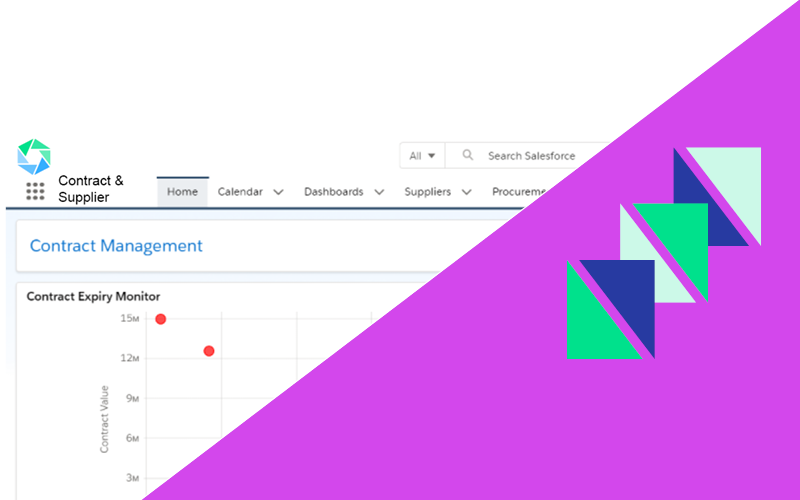 Our Contract & Supplier App puts your team in firm control of your key supplier relationships and provides a central repository for all contracts.
 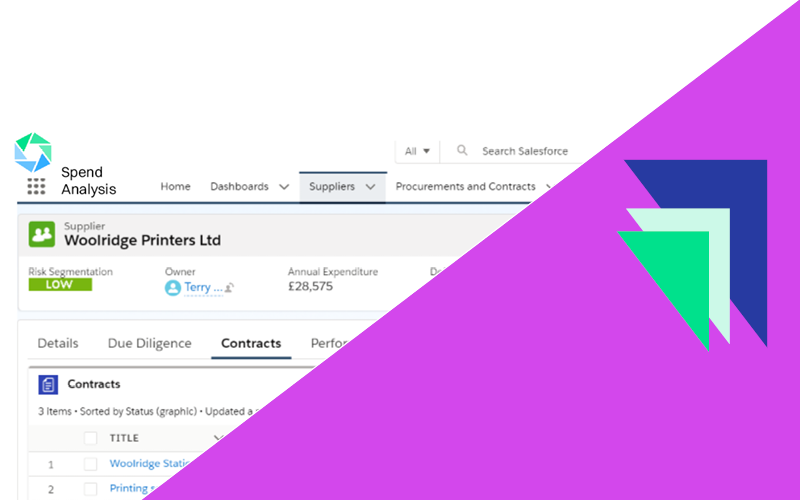 Our Enhancers ensure your solution is tailored to your needs. Pick and choose additional functionality that fits your requirements.
Within many organisations, particularly where procurement still has to battle to be recognised as a strategic driver of value, difference between contract management and supplier relationship management is often misunderstood or even overlooked.
Both are integral to successful supplier engagement, but their focus, responsibilities and impact on business strategy are fundamentally different.
Understanding how these two vital procurement roles complement one another
Understanding these differences is critical not just for organisational clarity, but also for leveraging the right tools to maximise supplier value and mitigate risk.
With the rise of contract management software, SRM software and integrated vendor management systems, UK procurement teams now have the opportunity to connect compliance with strategic supplier management.In doing so, transform supplier relationships from transactional to transformational.
This article explores the key distinctions between these roles, how they complement each other and how modern procurement technology empowers both to deliver maximum value.
The Contract Manager: Guardian of Agreements
A Contract Manager is primarily responsible for the administration, monitoring and optimisation of contracts throughout their lifecycle. Their role ensures that agreements are legally sound, obligations are met and risks are mitigated.
Core Responsibilities
1. Contract Drafting and Negotiation
Contract Managers collaborate with legal teams and procurement stakeholders to draft contracts that accurately reflect agreed terms, responsibilities and service levels. They ensure clarity in obligations and enforceability of clauses.
2. Compliance Monitoring
Ensuring that suppliers and the organisation adhere to contractual terms is a cornerstone of this role. This includes monitoring SLA adherence, payment terms and regulatory requirements.
3. Renewals and Amendments
Proactive management of contract lifecycles ensures timely renewals, renegotiations or amendments when business needs change.
4. Document Control
Maintaining a centralised repository with version control prevents disputes and enables quick retrieval of contract information.
5. Risk Identification
Contracts often contain hidden risks, from liability clauses to termination penalties and Contract Managers are responsible for highlighting and mitigating these risks.
A Contract Manager’s work is largely operational and compliance-driven, providing the foundation for secure, efficient procurement. Without strong contract management, organisations risk missed renewals, unmonitored obligations and legal exposure.
The Role of Contract Management Software
Modern contract management software like Atamis significantly enhances a Contract Manager’s effectiveness. Features such as automated alerts, workflow approvals and digital repositories reduce administrative burdens, ensure compliance and provide visibility across all contracts.
This allows Contract Managers to focus on value-added activities like risk mitigation and contract optimisation rather than chasing signatures and tracking deadlines.
The Supplier Relationship Manager: Champion of Partnerships
While Contract Managers focus on agreements, Supplier Relationship Managers focus on the relationships underpinning those agreements. SRMs are tasked with ensuring that suppliers deliver value, innovation and risk resilience over the course of the partnership.
Core Responsibilities
1. Performance Management
SRMs track supplier KPIs, SLAs and contract performance to ensure objectives are met, using insights to drive continuous improvement.
2. Risk Mitigation
Beyond contractual compliance, SRMs assess operational, financial and reputational risks using supplier risk software, providing early warning of potential disruptions.
3. Collaboration and Innovation
Supplier Relationship Managers work with suppliers to identify opportunities for innovation, cost reduction and process improvement, strengthening strategic partnerships.
4. Strategic Planning
SRMs align supplier engagement with broader business strategies, category plans and market trends to ensure long-term value creation.
5. Stakeholder Communication
Acting as the bridge between suppliers and internal stakeholders, SRMs facilitate transparency and collaboration across the organisation.
Unlike Contract Managers, SRMs adopt a forward-looking, strategic approach, measuring success not only by compliance but also by the value delivered through supplier engagement.
The Role of SRM Software
Integrated SRM software like Atamis enables Supplier Relationship Managers to centralise supplier information, monitor performance in real time and manage risk proactively.
This technology supports collaboration, data-driven decision-making and strategic engagement, ensuring that supplier relationships are optimised across the lifecycle.
Why Both Roles Are Essential
Within many organisations, procurement teams often have individuals working collaboratively across contract management and SRM responsibilities. When supported by integrated vendor management software or a comprehensive source-to-contract (S2C) platform, procurement functions can focus on strategic work rather than having days taken up by administrative work.
Bridging the Gap with Technology
Technology is a key enabler in connecting contract management and supplier relationship management:
Contract Management Software
For teams looking to enhance their contract management efficiency, digital solutions provide:
- Centralised, searchable contract repositories
- Automated notifications for renewals and obligations
- Audit trails for compliance and accountability
- Workflow automation for approvals and version control
These features reduce administrative burden and improve contract governance, allowing Contract Managers to focus on strategic oversight.
SRM and Supplier Risk Software
For teams looking to enhance their SRM efficiency, the right technology partner enables:
- Real-time tracking of supplier performance against KPIs and SLAs
- Risk dashboards highlighting operational, financial and ESG risks
- Tools for collaboration and supplier development
- Insights for category management and strategic planning
By linking contract data with supplier performance metrics, organisations can bridge compliance and strategic management effectively.
Practical Steps for Procurement Leaders
For organisations looking to maximise the ability of their procurement function to drive value through contract and supplier relationship management, here are actionable steps:
1. Define Roles Clearly
Ensure Contract Managers and SRMs have distinct, complementary responsibilities.
2. Invest in Integrated Technology
Implement contract management software, SRM tools and vendor management software for end-to-end visibility.
3. Align Performance with Contracts
Use contract data to inform supplier reviews and strategic decisions.
4. Bridge Compliance and Strategy
Encourage collaboration between Contract Managers and SRMs to ensure obligations are met while driving value.
5. Focus on Continuous Improvement
Treat contracts and supplier relationships as evolving, not static. Use insights to optimise performance, reduce risk and foster innovation.
Conclusion
The difference between a Contract Manager and a Supplier Relationship Manager lies in focus, scope and strategic impact:
- Contract Managers ensure compliance, mitigate risk and maintain contractual integrity
- Supplier Relationship Managers drive strategic value through collaboration, performance optimisation and innovation
When these roles are supported by integrated contract management software, SRM software and supplier risk tools, organisations gain a complete view of supplier engagement, balancing compliance with strategic performance.
Procurement in 2025
In UK procurement in 2025, recognising the distinction and fostering collaboration between these roles is a strategic imperative. Together, Contract Managers and Supplier Relationship Managers transform supplier management from a transactional function into a driver of business value and competitive advantage.
Ready to Elevate Your Contract Management and Supplier Relationship Management?
Discover how Atamis can help you master the difference between contract management and supplier relationship management. Streamline processes, strengthen supplier partnerships, and unlock strategic value.
Ready to empower your contract and supplier relationship managers to drive strategic value?
Speak to our team today.
Get a Demo