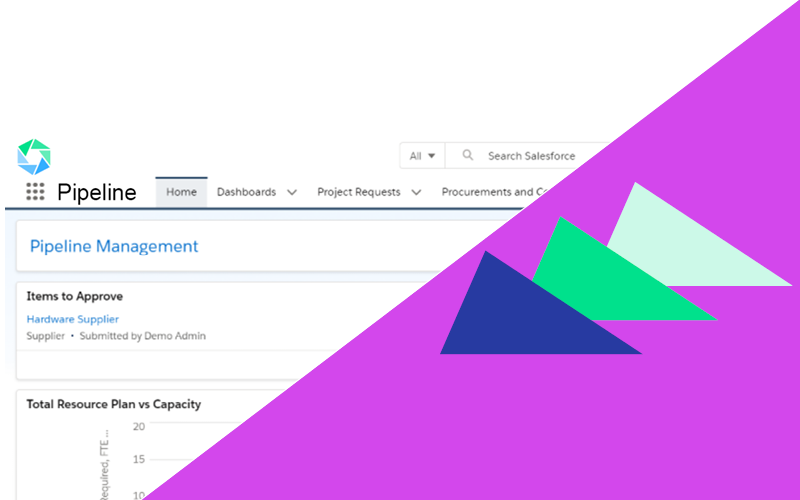
 Our Pipeline App empowers your team to plan ahead and forecast for upcoming procurement activities.
 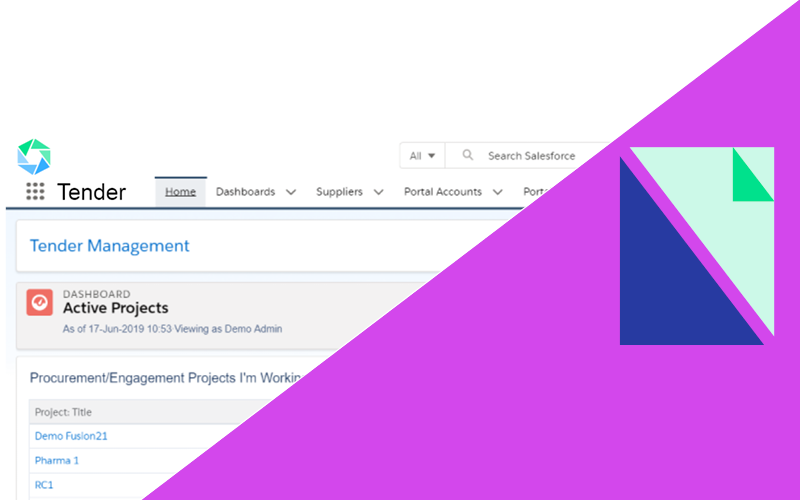 The Tender App allows your team to visualise all sourcing activities within your Atamis platform, from issuing tenders to receiving bids.
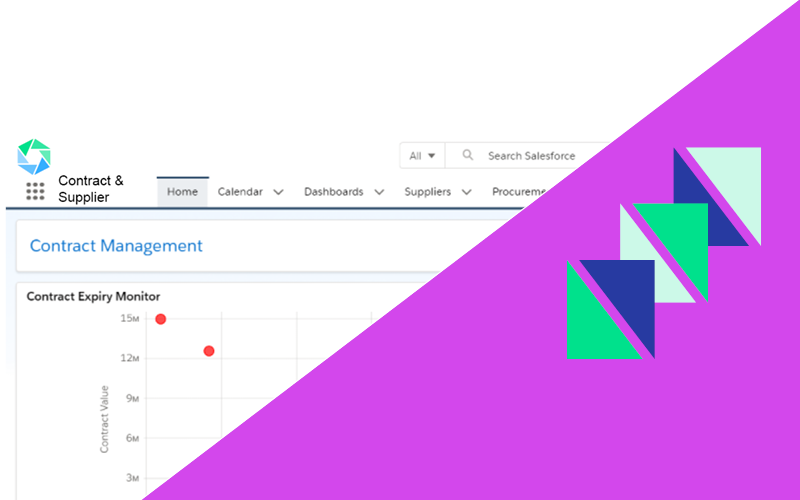 Our Contract & Supplier App puts your team in firm control of your key supplier relationships and provides a central repository for all contracts.
 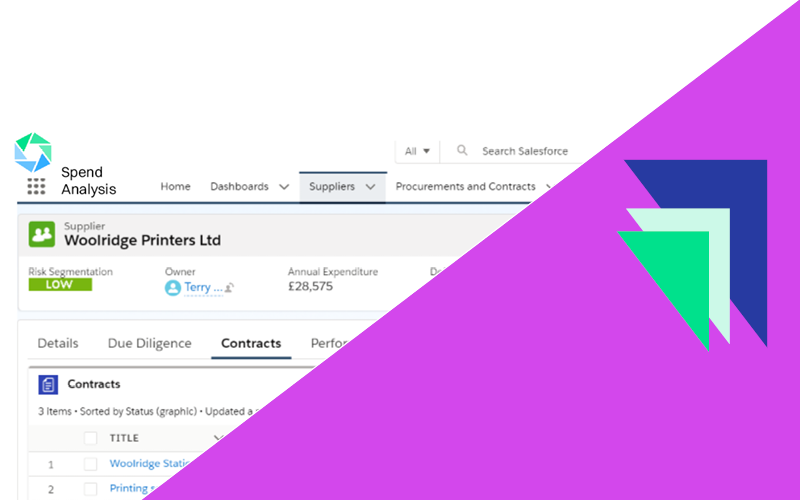 Our Enhancers ensure your solution is tailored to your needs. Pick and choose additional functionality that fits your requirements.
And how source-to-contract software like Atamis helps procurement teams avoid them.
Contract management should be one of the most controlled, predictable parts of the procurement lifecycle.
In reality, poorly managed contracts cost UK organisations millions each year. Whether that’s in unnecessary spend leakage, uncontrolled risk, missed supplier performance issues and administrative waste. As procurement teams are asked to do more with less, the spotlight on contract management has never been brighter.
Most of the pain points are avoidable. With the right processes, and the right technology, many of the most common (and most expensive) contract management mistakes can be completely eliminated.
Below, we explore six contract management mistakes that regularly drain time and money from procurement functions and how modern contract management software like Atamis help you get firmly back in control.
1. Treating Contract Storage as Contract Management
One of the biggest misconceptions in procurement teams is that storing contracts is the same thing as managing them.
A shared drive full of PDFs is not a contract management system. It’s a filing cabinet. With this mindset, you can’t:
- Track key dates
- Receive alerts on renewals or expiries
- Flag risk exposure
- Support performance management
- Enable cross-functional visibility
- Provide robust version control
- Create a single source of truth
Without the right contract management software, procurement teams burn time manually digging for the latest version of an agreement or checking email threads to understand what was signed. Supplier managers waste hours re-confirming contract terms. Stakeholders operate on outdated information and when renewal season arrives, everything becomes reactive and rushed.
This “storage-only” approach also creates risk. Expired insurance certificates, lapsed certifications and outdated terms can easily go unnoticed without automated monitoring.
How source-to-contract software fixes it:
Modern platforms like Atamis create a centralised contract repository with:
- Renewal and expiry notifications
- Embedded version control
- Dynamic links between contracts and suppliers
- Full audit trails
- Permission-based access for stakeholders
Instead of hunting for information, teams have everything at their fingertips, accurate, current and actionable.
2. Missing Renewal Dates and Rolling into Avoidable Spend
It’s one of the classic contract management failures: the auto-renewal that slipped through the cracks.
Many UK organisations still rely on calendar reminders, spreadsheets or individual stakeholders to track key dates. This can lead to costly consequences:
- Unwanted or outdated services are automatically renewed
- Negotiation windows are missed
- Incumbents gain leverage
- Savings opportunities vanish
- Teams stay locked into old terms that no longer meet operational needs
In regulated sectors, missed renewals can lead to compliance issues or increased operational risk.
How contract management software helps:
Automated alerting is one of the quickest returns on investment in modern procurement software.
A source-to-contract platform will:
- Track every milestone (renewals, break clauses, reviews, SLAs, risk assessments)
- Notify the right people at the right time
- Create internal tasks or procurement actions to ensure follow-through
- Prevent contracts from silently rolling over
By building renewals into your workflows and not your memory, you move from reactive to proactive contract management.
3. Not Linking Supplier Performance to Contractual Obligations
Many organisations track supplier KPIs, but without linking them directly back to the contract, performance management becomes vague and subjective.
You might know a supplier is late 30% of the time, but what does the contract say?
Is it a breach? A warning? A trigger for escalation?
Without a direct relationship between contract commitments and supplier performance data, procurement loses its leverage. Suppliers aren’t held accountable to the standards they agreed to and underperformance drifts on unnoticed.
Source-to-contract systems close the gap by:
- Linking KPIs directly to the contract’s SLA requirements
- Tracking performance against those commitments in real time
- Alerting teams when KPIs slip
- Automatically raising actions for internal or supplier follow-up
- Providing audit-ready visibility for operational, commercial or risk teams
This creates a continuous, data-driven view of supplier performance and makes sure contracts aren’t just signed and forgotten.
4. Relying on Manual Workflows That Slow Everything Down
Manual contract workflows, Word templates, email approval chains, version attachments introduce delays and errors at every stage.
Typical issues include:
- Stakeholders reviewing the wrong version
- Legal not seeing changes until too late
- Approvals lost in someone’s inbox
- No visibility of where a contract is in the process
- Inconsistent templates or clause libraries
- Significant time wasted chasing people for input
In a busy procurement team, these inefficiencies kill productivity. They slow down time-to-contract, frustrate stakeholders and increase the risk of inconsistent terms being used across the organisation.
The advantage of contract management software:
Digital workflows allow you to:
- Use approved and standardised templates
- Set mandatory approval steps
- Automate stakeholder routing
- Track contract status in real time
- Compare versions instantly
- Maintain a clean audit trail of all changes
This accelerates the entire lifecycle, from intake, to drafting, to negotiation, to signature and without compromising compliance or control.
5. Disconnected Data Between Procurement, Legal, Risk and Operations
Contract management doesn’t sit neatly within a single function. Procurement, Legal, Finance, Risk, Operational teams and Supplier Management all have a stake.
But when visibility is fragmented:
- Teams make decisions based on partial or outdated information
- Risk assessments happen too late
- Supplier non-compliance goes unnoticed
- Contract obligations are unclear
- Changes to terms don’t get communicated
- Teams duplicate work or miss important steps
This siloed approach not only increases organisational risk but also slows everything down.
Source-to-contract platforms solve this by providing:
- A single, centralised view of all contract-related activity
- Consistent visibility across functions
- Direct links between supplier information, risk data and contract commitments
- Shared workflows and automated approval processes
- Real-time updates for any change, renewal, or compliance requirement
When everyone sees the same information, in the same place, at the same time, mistakes drop dramatically and the organisation becomes both more efficient and more resilient.
6. Underestimating Risk Throughout the Contract Lifecycle
Risk is often treated as an isolated step, completed at onboarding or negotiation, then forgotten. But supplier and contract risks are dynamic. They change as markets shift, suppliers evolve and contract terms mature.
Common risk management failures include:
- Not rechecking financial stability during the contract term
- Allowing certifications, insurance or accreditations to expire unnoticed
- Not tiering suppliers accurately by risk level
- Treating all suppliers the same instead of focusing on the highest-risk categories
- Lack of early warning indicators for performance or compliance issues
- Poor visibility of operational, ESG, security and data risks
- No structured process for risk-driven contract reviews
This reactive approach exposes organisations to unnecessary operational, regulatory, commercial and reputational risk.
A modern source-to-contract platform like Atamis supports risk management through:
- Automated risk scoring and supplier tiering
- Integrated financial risk indicators (e.g., Dun & Bradstreet data)
- Real-time alerts when risk levels change
- Automated tracking of certifications, policies and insurance
- Risk-based workflows and approvals
- Direct linkage between risk data and contract management
- Full audit trails for governance and regulatory reporting
Instead of scrambling to respond to risk, procurement teams gain the ability to anticipate it, measure it and control it.
Why These Mistakes Persist and Why Technology Is Now Essential
The truth is, none of these mistakes happen because procurement teams lack ability or effort. They happen because legacy processes and manual tools simply aren’t built for the complexity of modern procurement.
It’s one of the reasons we designed our solutions to be so flexible, so we can support teams in delivering:
- Faster negotiations
- Stronger governance
- Greater visibility
- Real-time performance insights
- Integrated risk management
- Audit readiness
- Supplier transparency
- Cost control under scrutiny
This is why so many organisations are moving to source-to-contract software like Atamis, to unify the lifecycle, reduce risk and remove the friction that’s been slowing procurement down for years.
What Good Looks Like: A Modern Approach to Contract Management
High-performing procurement teams are investing in contract management software that enables:
1. A single source of truth
All contracts, supplier data, risk indicators, KPIs and workflows in one place.
2. Automated renewal and milestone tracking
No more missed deadlines or unwanted rollovers.
3. Streamlined digital workflows
Consistent approvals and full visibility.
4. Integrated supplier performance and risk data
Contracts that evolve with real-world performance and exposure.
5. Self-service visibility for the wider business
Streamlined intake. More informed stakeholders.
6. Audit-ready, compliant processes
Every change captured. Every action traceable. Every version recorded.
This is contract management as it should be: proactive, controlled and insight-driven.
Contract Management Is Too Important to Leave to Chance
The cost of poor contract management is often hidden. It may be buried in unnecessary renewals, supplier underperformance, duplicated effort, unmanaged risk or manual administration that slows everything down.
By eliminating these six common mistakes and equipping your team with modern contract management software like Atamis, you create a procurement function that is:
- More strategic
- More efficient
- More compliant
- More resilient to risk
- Better aligned with the wider organisation
- Better positioned to deliver value
Speak to our team.
Looking for a contract management solution tailored to your requirements? Get in touch.
Get a Demo