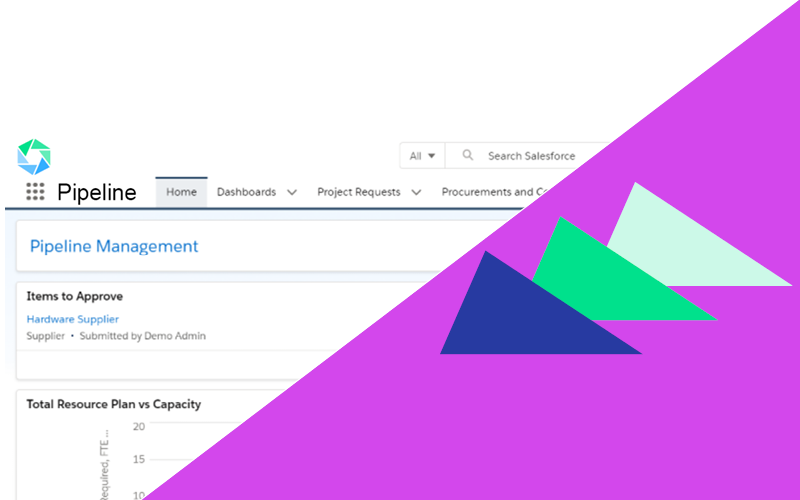
 Our Pipeline App empowers your team to plan ahead and forecast for upcoming procurement activities.
 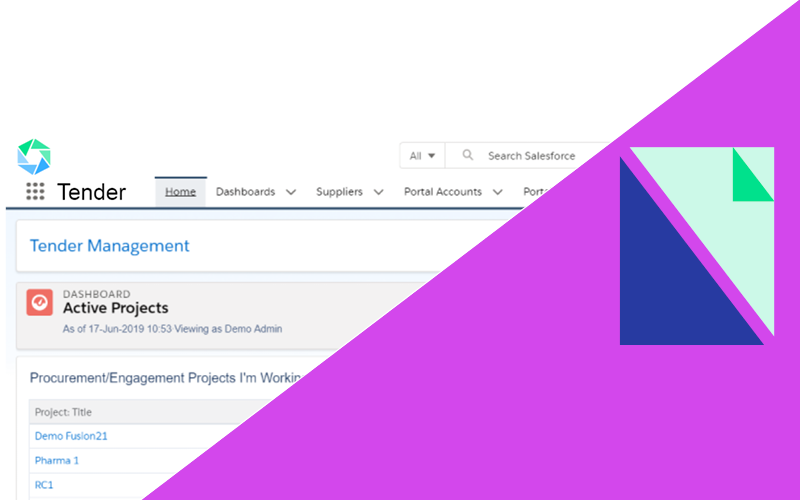 The Tender App allows your team to visualise all sourcing activities within your Atamis platform, from issuing tenders to receiving bids.
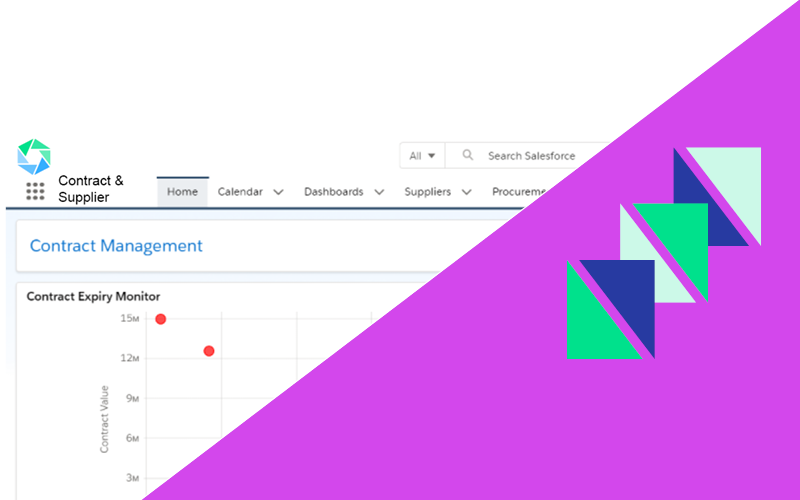 Our Contract & Supplier App puts your team in firm control of your key supplier relationships and provides a central repository for all contracts.
 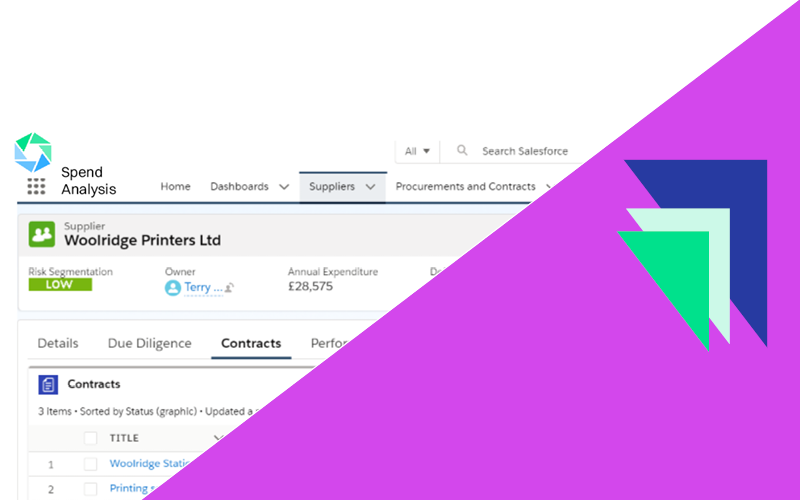 Our Enhancers ensure your solution is tailored to your needs. Pick and choose additional functionality that fits your requirements.
For years, contract management has carried a reputation for being the “filing cabinet” end of procurement: necessary, administrative and often overlooked. However, with supply chains under pressure, regulatory expectations increasing and organisations demanding tighter control over risk, value and compliance, contract lifecycle management (CLM) has become a strategic pillar of procurement.
At the centre of this shift is technology. Procurement technology, specifically contract management and broader source-to-contract software is transforming how organisations create, negotiate, approve, store, manage and ultimately extract value from their contracts. What was once a static, document-driven process is now a dynamic, data-rich and intelligence-led lifecycle that supports the entire business.
This blog explores how technology is reshaping modern contract lifecycle management, the advantages digital CLM brings to procurement teams and what organisations should look for when evaluating new procurement software.
Why Contract Lifecycle Management Has Become a Board-Level Priority
Contracts govern nearly every commercial relationship an organisation has, suppliers, partners, service providers, agencies and more. Yet traditionally, CLM has been fragmented, manual and inconsistent across departments.
Common challenges include:
- Contracts stored in shared drives, email inboxes or even filing cabinets
- Missed renewals leading to auto-rollovers or unfavourable terms
- Limited visibility of obligations, risks or performance metrics
- Negotiations lost in long email chains
- No centralised view of supplier relationships or spend
- Difficulty supporting audits or demonstrating compliance
These pain points aren’t just operational inconveniences; they’re risk multipliers.
Business leaders now expect procurement to bring visibility, control and commercial discipline and achieving that requires a digitally enabled approach to contract lifecycle management.
Where Technology Is Making the Biggest Impact in CLM
Modern contract lifecycle management software like Atamis has redefined every stage of the contract journey. Below, we explore the key areas where technology is creating measurable operational and strategic value.
1. Streamlining Contract Creation With Templates
Historically, contract creation has been slow, inconsistent and dependent on individual knowledge. Technology changes this by providing:
- Pre-approved templates aligned with legal and procurement policy
- Version control that eliminates errors and revision confusion
These tools reduce legal bottlenecks, accelerate cycle times and ensure every contract begins from a position of compliance.
Implementing procurement technology in this way encourages a shift from manually drafting agreements to automated creation supported by structured, organisation-wide controls.
2. Improving Visibility and Collaboration During Negotiation
Email-led negotiations are slow, fragmented and prone to mistakes. Modern CLM software introduces:
- Real-time collaboration tools for legal, procurement and business stakeholders
- Centralised communication threads tied directly to the contract record
- Audit trails for transparency and compliance
By bringing everyone into one environment, organisations reduce negotiation delays and improve the quality of decisions.
This supports teams in moving from siloed, hard-to-track negotiations to transparent, audit-ready collaboration.
3. Automating Approvals With Smart Workflows
One of the biggest contributors to slow procurement cycles is manual approvals.
Technology fixes this through:
- Automated workflow routing based on contract value, category, type or risk
- Delegated authority rules to ensure the right stakeholders approve at the right level
- Notifications and reminders that stop contracts from stalling
- Dashboard visibility into bottlenecks
With modern procurement software like Atamis, approvals happen faster and more consistently without sacrificing governance.
We believe in helping teams shift from chasing signatures to integrated, automated approval workflows.
4. Centralising Contract Storage for Full Supplier Visibility
A contract repository is no longer a “nice to have.” It’s the foundation of effective supplier relationship management.
Modern CLM solutions like Atamis provide:
- A single source of truth for all contracts
- Advanced search and filtering
- Metadata extraction for easier reporting
- Linking contracts to supplier records
- Tagging by category, risk and department
This centralisation allows organisations to understand, at a glance:
- How many contracts a supplier holds
- What obligations exist
- Where key risks sit
- Which agreements are up for renewal and when
Our solutions help teams move from scattered storage to a powerful, searchable, connected commercial repository.
5. Managing Risk and Compliance More Proactively
Technology has fundamentally changed how procurement teams identify and mitigate risk:
- Automated alerts for expiring accreditations or insurance
- Integration with financial risk data providers
- Risk scoring models aligned with your organisation’s appetite
- Obligation tracking for regulatory and operational compliance
- Customisable contract risk assessments during onboarding and renewal
Risk no longer relies on human memory or manual checks, it becomes part of a continuous, structured process.
In 2025, we believe procurement teams should leave proactive risk management behind and move to always-on monitoring.
6. Managing Renewals, Obligations and Milestones
Missed renewals are one of the most costly (and easily avoidable) mistakes in procurement.
Modern contract management software like Atamis helps by:
- Triggering renewal workflows based on configurable notice periods
- Alerting contract owners well in advance
- Tracking obligations like service levels, deliverables, audit requirements
- Managing milestones such as implementation deadlines or price review dates
- Connecting renewal cycles to supplier performance
Instead of contract terms being forgotten, they become actionable and connected to real supplier outcomes. Teams move from unintended auto-renewals to strategically managed contract lifecycles.
7. Enhancing Supplier Performance and SRM
Contracts don’t sit in isolation. They’re part of the wider supplier relationship.
Integrated source-to-contract software like Atamis enables:
- Performance monitoring linked directly to contract obligations
- Custom KPIs based on goods, services or risk profile
- Issue tracking tied back to contract terms
- Supplier segmentation based on criticality or spend
- Structured review meetings with supporting dashboards
This creates a continuous feedback loop between contract terms, performance and future procurement strategy.
8. Delivering Actionable Insights With Real-Time Reporting
This is where technology elevates CLM from operational to strategic.
Modern procurement software provides:
- Dashboards showing contract exposure, risk, renewal pipelines and performance
- Spend visibility linked to contract terms
- Analytics on cycle times, bottlenecks and value delivery
- Insight into supplier risk trends and contract overlaps
- Reporting that supports audit and compliance reviews
This means teams can shift toward faster, better-informed decision-making across the business, leaving manual spreadsheet reporting behind.
How Contract Lifecycle Technology Supports the Entire Procurement Function
Modern organisations expect procurement to contribute more than cost savings. Technology-enabled CLM helps teams deliver:
- Stronger governance
- Better risk controls
- Clearer accountability
- Reduced administrative burden
- Shorter cycle times
- Better supplier performance
- More strategic decision-making
- Greater business-wide visibility
CLM technology is no longer optional, it’s foundational to effective procurement software and a modern source-to-contract approach.
Choosing the Right Contract Lifecycle Management Software
When evaluating CLM or broader procurement solutions, organisations should look for:
Configurability
Workflows, templates, actions, terminology and risk models should be tailored to your organisation, not the other way around.
Integration
Your CLM tooling should connect with finance, ERP, supplier onboarding, risk data providers and your wider procurement ecosystem.
Automation
From alerts to approvals to renewal cycles, automation reduces manual effort and increases control.
Usability
Stakeholders and suppliers must find the system intuitive; adoption is everything.
SRM and risk alignment
Contract data should feed directly into supplier performance evaluation and risk scoring.
Scalability
As procurement maturity grows, your technology should grow with you, it must be modular, flexible and future-proof.
CLM Technology Is Now a Strategic Enabler
Technology has fundamentally reshaped the role of contract management within procurement. Businesses that adopt modern contract lifecycle management software unlock:
- Stronger commercial outcomes
- Reduced risk exposure
- Improved supplier relationships
- Greater compliance
- Enhanced visibility
- Better decision-making
- A more strategic procurement function
As organisations continue to navigate uncertain markets, supply chain challenges, and increasing regulatory demands, digital contract lifecycle management can make all the difference to a future-focussed procurement team.
Ready to transform how your procurement team manages contracts?
Speak to our team today about your tailored Atamis solution.
Get a Demo