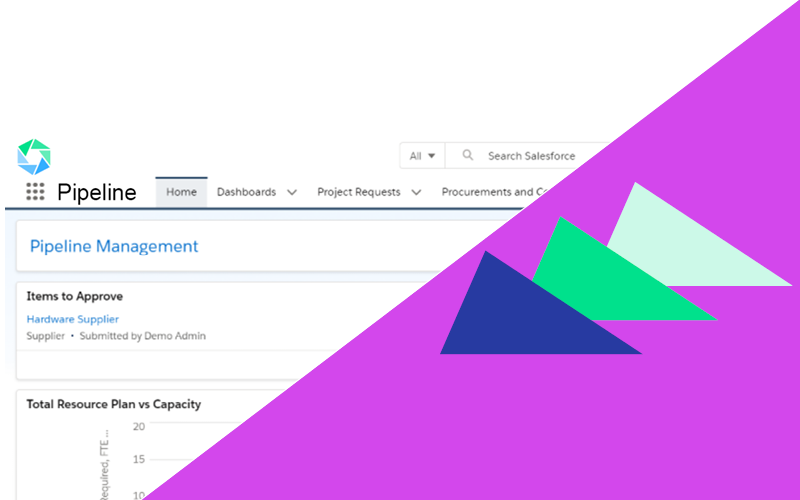
 Our Pipeline App empowers your team to plan ahead and forecast for upcoming procurement activities.
 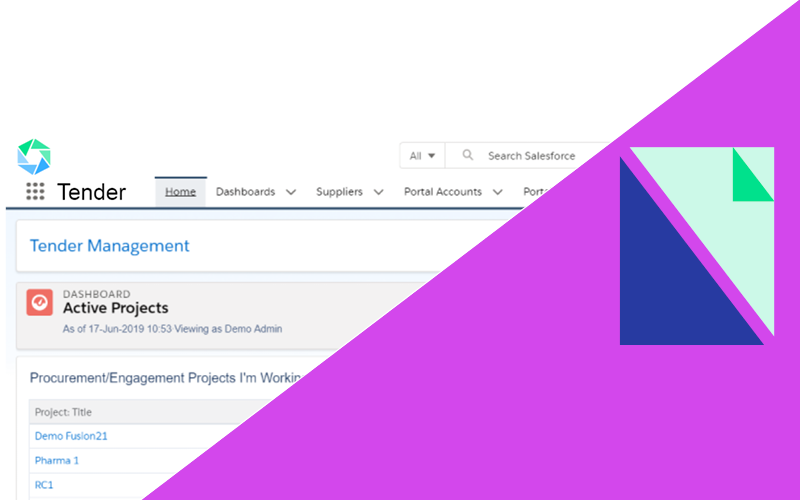 The Tender App allows your team to visualise all sourcing activities within your Atamis platform, from issuing tenders to receiving bids.
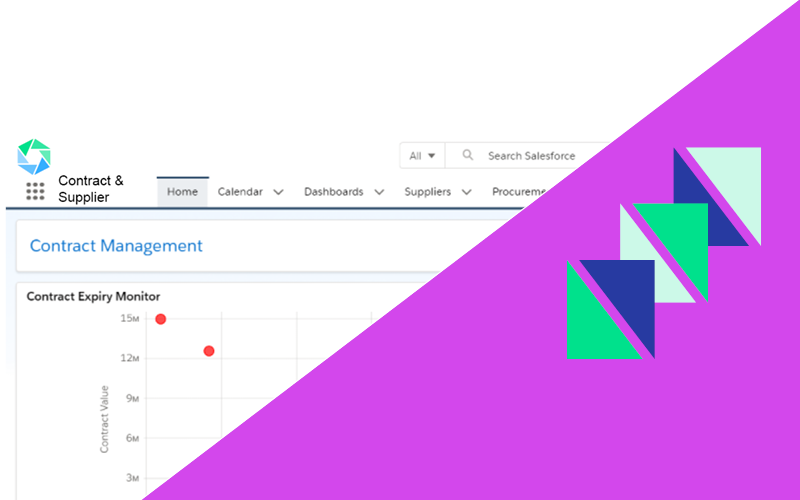 Our Contract & Supplier App puts your team in firm control of your key supplier relationships and provides a central repository for all contracts.
 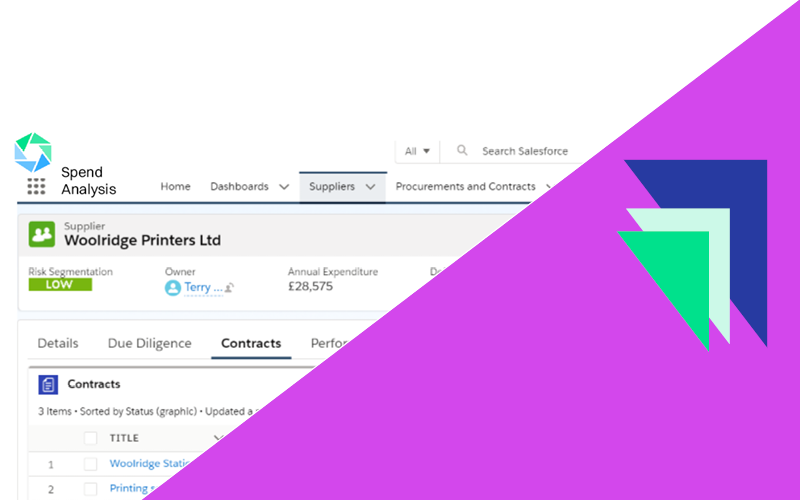 Our Enhancers ensure your solution is tailored to your needs. Pick and choose additional functionality that fits your requirements.
Procurement has changed.
The function has shifted from a largely transactional, compliance-driven operation to a strategic, high-impact business partner. Today, procurement is expected to drive value, manage risk, support sustainability and contribute directly to organisational growth.
This evolution is exciting but also challenging. Procurement teams face increasingly complex supply chains, heightened regulatory scrutiny, volatile markets and higher expectations from stakeholders. To meet these demands, teams cannot rely solely on experience or intuition. They need to be prepared, structured and empowered with the right tools. Modern procurement is not just about buying goods or services, it is about orchestrating the end-to-end source-to-contract process with efficiency, accuracy and insight.
We’ve explored the transformed expectations of procurement, the pressures faced by modern teams and how the right procurement software, especially source-to-contract software, contract management software and contract lifecycle management software can equip teams to thrive in today’s business environment.
The growth of expectations
Procurement’s responsibilities have multiplied exponentially. Once, the focus was on negotiating cost savings and managing supplier relationships. Now, procurement must:
- Ensure compliance with increasingly complex regulations
- Manage ESG and sustainability commitments
- Oversee supplier diversity and ethical sourcing
- Identify and mitigate operational and financial risk
- Deliver tangible value to internal stakeholders
For many teams, this represents a seismic shift. According to recent industry benchmarks, procurement professionals are now measured not only on cost savings but also on operational resilience, supplier performance and strategic contribution. Every decision carries broader implications, and the window for error has narrowed considerably.
Preparation matters more than ever
With such wide-ranging responsibilities, preparation is no longer optional. Modern procurement teams must anticipate challenges, have structured processes and be able to respond quickly and confidently. Failure to do so can result in:
- Missed opportunities for savings or value creation
- Exposure to regulatory and reputational risk
- Supplier relationship breakdowns
- Poor stakeholder perception of procurement as a strategic partner
Being prepared is not simply about planning. It is about equipping teams with technology, frameworks and workflows that enable real-time insight, streamlined collaboration and data-driven decision-making.
This is where procurement software and source-to-contract software play a critical role. By centralising and structuring procurement activity, these tools allow teams to manage risk, track spend, monitor supplier performance and maintain compliance without being bogged down by manual processes.
The role of modern procurement technology
The challenges of modern procurement cannot be addressed with spreadsheets and email alone. Fragmented systems, siloed information and manual tracking create gaps that can quickly escalate into larger issues. Modern procurement software addresses this by providing a single platform that links the entire procurement lifecycle.
Source-to-contract software enables teams to manage everything from supplier onboarding to sourcing events, contract creation and performance monitoring. It ensures that all relevant data is captured, centralised and actionable.
Contract management software and contract lifecycle management software add another layer of control and insight. They allow teams to track critical dates, manage obligations and ensure compliance, preventing value leakage and reducing risk exposure.
By integrating these tools, procurement teams can move from reactive problem-solving to proactive management. They can forecast challenges, prioritise actions and make decisions with confidence, all while demonstrating tangible value to the wider business.
Preparing for complex supply chains
Global supply chains are more interconnected and vulnerable than ever. Geopolitical disruption, natural disasters and market volatility can all impact procurement outcomes. Being prepared means having visibility into suppliers, contracts and spend, so that teams can respond rapidly to change.
Modern procurement software provides this visibility. With a centralised view of suppliers, contracts and associated risk, teams can quickly identify vulnerabilities and implement mitigation strategies. By automating routine tasks and linking data across the source-to-contract lifecycle, procurement teams free up capacity to focus on strategic planning, supplier collaboration and innovation.
Preparation also means using technology to standardise processes. Standardised workflows, automated approvals and centralised records reduce human error and ensure that critical steps are never missed. This level of control not only protects the organisation but also strengthens procurement’s reputation internally.
Improving stakeholder engagement and perception
Procurement’s reputation within the business is closely linked to how well it manages expectations and delivers outcomes. When procurement teams are unprepared, stakeholders experience delays, uncertainty and inconsistency. Conversely, prepared procurement teams are seen as reliable, responsive and strategically aligned.
Digital tools make this possible. By leveraging procurement software, teams can provide stakeholders with clear status updates, accessible information and structured guidance. Integration with contract management software ensures that any agreements or obligations referenced during engagement are accurate and actionable.
This transparency builds trust, encourages early engagement and positions procurement as an enabler rather than a bottleneck, a crucial factor in a landscape where stakeholder expectations are continually rising.
Using data to drive strategic decisions
Preparation is not just about process, it is also about insight. Modern procurement software allows teams to collect, analyse and act on data across the full source-to-contract lifecycle. Spend data, supplier performance metrics, contract compliance reports and risk indicators all contribute to a richer understanding of the procurement landscape.
Data-driven decisions are faster, more confident and more defensible. They allow procurement to identify opportunities for savings, mitigate emerging risks and optimise supplier relationships. When combined with contract lifecycle management software, insights are linked to contractual obligations, ensuring alignment between operational actions and formal agreements.
Teams that leverage data effectively are not only more efficient, they also gain credibility, influence and authority within the business.
A culture of preparation
Technology alone is not enough. Teams must also cultivate a culture of preparation, discipline and continuous improvement. This means:
- Embedding consistent processes across all procurement activities
- Ensuring that staff are trained to use software effectively
- Encouraging early engagement with stakeholders
- Establishing clear roles, responsibilities and accountability
When combined with modern procurement software, these cultural practices create a resilient, adaptable function capable of meeting modern expectations.
Realising the benefits
Well-prepared procurement teams experience multiple benefits:
- Reduced operational risk
- Increased compliance and governance
- Greater visibility of spend, suppliers and contracts
- Faster response to market changes and supply chain disruptions
- Improved stakeholder satisfaction and engagement
- More time for strategic sourcing and value creation
- Stronger supplier relationships
- Clearer evidence of procurement’s contribution to organisational goals
By integrating source-to-contract software, procurement software and contract management software, teams can achieve all of these outcomes while reducing administrative overhead. Preparation becomes not just a defensive strategy, but a proactive enabler of growth and influence.
The expectations on procurement have transformed dramatically, and the pace of change shows no sign of slowing. Today, procurement is expected to deliver strategic value, manage risk, support sustainability and influence business outcomes.
To meet these challenges, teams must be prepared. They need structured processes, clear visibility, robust data and the right technology. Procurement software, (source-to-contract software, contract management software and contract lifecycle management software) is not optional but essential tools that allow procurement to operate efficiently, influence decisions and demonstrate measurable impact.
Preparation is what separates procurement functions that are reactive and overburdened from those that are proactive, strategic and trusted across the organisation. By investing in the right people, processes and technology today, procurement teams can rise to the challenges of modern procurement and secure their role as a critical driver of business success.
“Within a few months the system had paid for itself”
Ready to uncover your bespoke Atamis solution?
Get a Demo