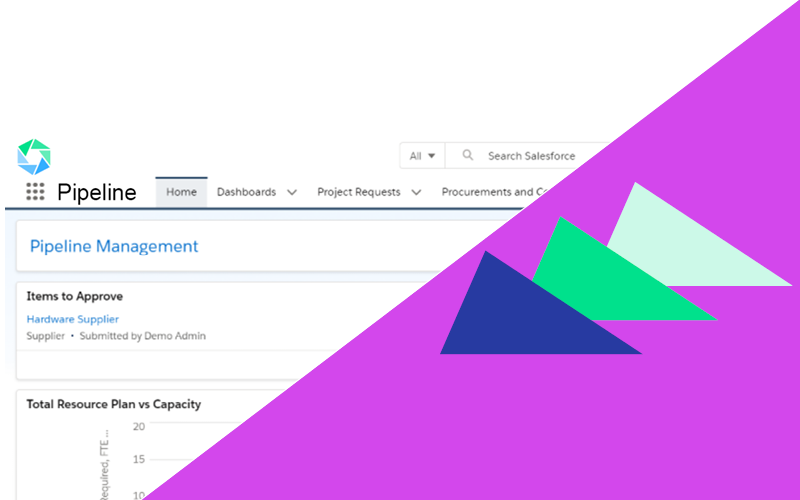
 Our Pipeline App empowers your team to plan ahead and forecast for upcoming procurement activities.
 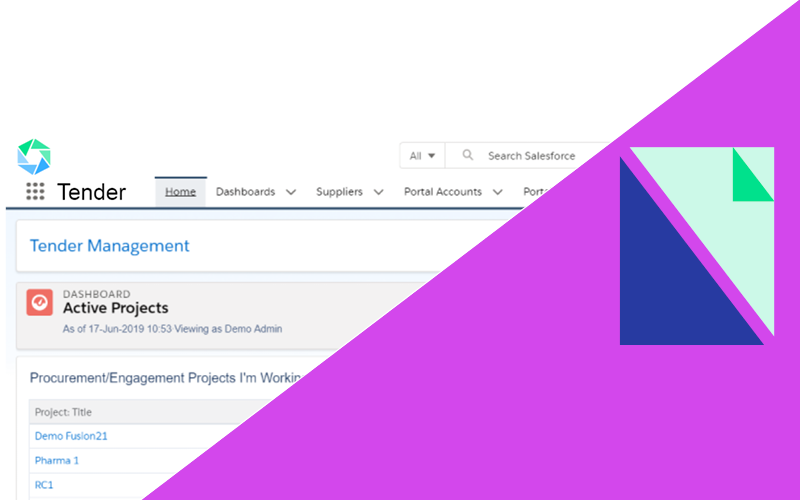 The Tender App allows your team to visualise all sourcing activities within your Atamis platform, from issuing tenders to receiving bids.
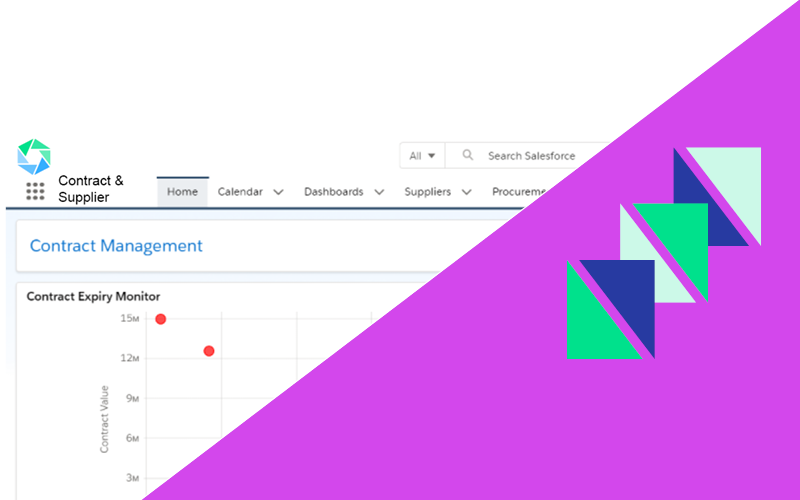 Our Contract & Supplier App puts your team in firm control of your key supplier relationships and provides a central repository for all contracts.
 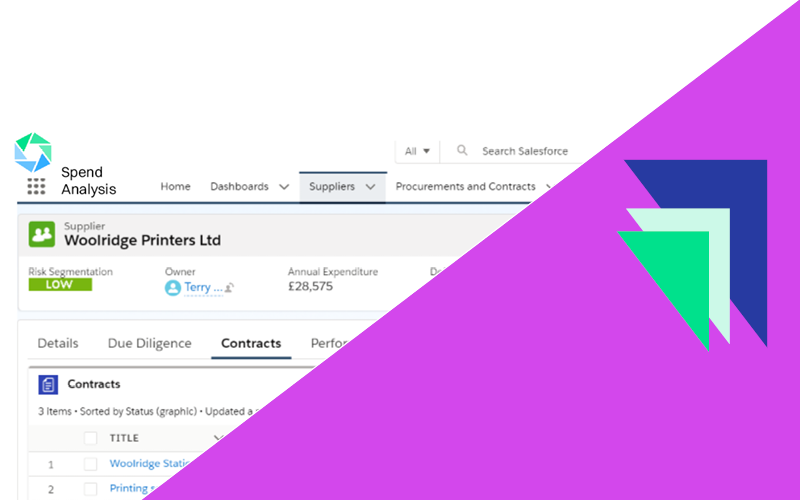 Our Enhancers ensure your solution is tailored to your needs. Pick and choose additional functionality that fits your requirements.
A missed contract renewal here.
A supplier record left incomplete there.
A spreadsheet not updated, an approval bypassed, a risk logged but never followed up.
Individually, these issues feel minor. In isolation, they are easy to justify, deprioritise or ignore. But over time, they create a chain reaction that can undermine commercial value, expose the organisation to risk and erode trust across the business.
For procurement leaders, this is one of the most persistent and underestimated challenges. Small inefficiencies compound. Poor visibility leads to poor decisions. Tactical work crowds out strategic thinking. And before long, procurement is reacting to problems rather than preventing them.
This blog explores how seemingly small procurement issues grow into larger business problems, why this happens and how the right procurement software, particularly modern source-to-contract software, can help break the cycle.
Small issues rarely stay small
Procurement operates at the intersection of people, processes, suppliers and contracts. That complexity means small gaps are inevitable. The danger lies not in their existence, but in how long they are allowed to persist.
A single unmanaged issue may have limited impact. But procurement does not operate in a vacuum. Each issue influences the next, creating knock-on effects across sourcing, contracting, supplier management and financial control.
Over time, this creates a cumulative effect where procurement teams find themselves dealing with:
- Increasing risk exposure
- Reduced commercial leverage
- Poorer stakeholder confidence
- Less time for strategic work
The result is a procurement function that is busy, but not always effective.
Example 1: Incomplete supplier data becomes a risk management failure
It often starts with something mundane. A supplier record is created with partial information. An insurance certificate is uploaded once and never refreshed. A compliance check is carried out manually during onboarding, but not revisited.
At the time, this feels manageable. The supplier is trusted. The risk seems low. The business needs to move quickly.
Fast forward twelve months.
That supplier is now critical. Spend has increased. They are supporting multiple departments. But no one can confidently say whether their certifications are up to date, whether their risk profile has changed or whether they still meet internal governance requirements.
What began as incomplete data becomes:
- Increased operational risk
- Greater exposure to compliance failures
- A scramble to respond when an issue finally surfaces
With the right procurement software in place, supplier data does not have to degrade over time. A modern source-to-contract platform like Atamis, with supplier management and contract lifecycle management software capabilities ensures supplier information is centralised, auditable and regularly reviewed. Automated reminders, structured data capture and supplier self-service portals all help prevent small gaps from turning into systemic risk.
Example 2: Missed contract milestones lead to value leakage
Contract management is another area where small oversights quietly compound.
A contract is signed and saved somewhere shared. The key terms are understood at the time. The renewal date is noted, perhaps in a diary or spreadsheet. The pricing structure is clear enough.
Until it is not.
Months later, the contract auto-renews. A price increase is applied. A termination window is missed. Service levels drift. Procurement is asked why costs have risen or why the organisation is locked into unfavourable terms.
This is not a single failure. It is the accumulation of several small ones:
- Contract data stored outside a central system
- Manual tracking of key dates
- No structured ownership or accountability
Over time, these issues lead to value leakage, reduced negotiating power and strained supplier relationships.
Contract management software and contract lifecycle management software are designed specifically to prevent this chain reaction. By structuring contracts, tracking milestones automatically and linking agreements to spend and suppliers, procurement teams can retain control long after signature. Small administrative tasks are replaced with systematic oversight.
Example 3: Maverick spend rarely starts as maverick
Maverick spend is often framed as a behavioural problem. In reality, it usually begins as a process problem.
A stakeholder cannot find an approved supplier quickly. A contract exists, but no one knows where it is. The purchasing process feels slow or unclear. So someone makes a judgement call “just this once”.
That exception becomes a habit. The habit spreads. Spend fragments. Procurement visibility diminishes.
Over time, this results in:
- Loss of negotiated savings
- Reduced supplier consolidation
- Poorer data for future sourcing decisions
Once again, the chain reaction begins with small friction points.
Source-to-contract procurement software like Atamis addresses this by making the right path the easiest path. Approved suppliers are visible. Contracts are accessible. Buying channels are clear. Spend data feeds back into a single view, allowing procurement to spot patterns early rather than after the damage is done.
Example 4: Manual processes create invisible bottlenecks
Many procurement teams still rely on a patchwork of emails, spreadsheets and shared folders to manage sourcing and approvals. Initially, this feels flexible. Everyone knows how to use email. Spreadsheets are familiar.
But as volume grows, the cracks appear.
Approvals are delayed because someone is on leave. Audit trails are incomplete. Version control becomes a guessing game. Reporting requires hours of manual consolidation.
Each manual workaround adds a little more friction. Each delay erodes stakeholder confidence. Eventually, procurement gains a reputation for being slow or difficult to work with, even when the root cause is process inefficiency rather than people.
Procurement software removes these hidden bottlenecks by standardising workflows, automating approvals and creating transparency across the source-to-contract lifecycle. Procurement becomes a streamlined, scalable operation.
Why procurement teams struggle to address issues early
If the risks are so clear, why do these small issues persist?
There are a few common reasons.
First, procurement teams are under constant pressure to deliver short-term results. Urgent requests often crowd out important process improvements. Fixing root causes feels like a luxury when day-to-day demands dominate. This is one of the reasons a digital Procurement Intake solution is crucial.
Second, many issues lack immediate consequences. A missed data update today does not cause a problem tomorrow. The impact is delayed, which makes prioritisation difficult.
Third, without the right tools, identifying patterns is hard. When data is fragmented across systems and spreadsheets, early warning signs are easy to miss.
This is where procurement software plays a critical role, not as a silver bullet, but as an enabler of better habits and better visibility.
Breaking the chain reaction with connected procurement software
The common thread running through all these examples is fragmentation. Fragmented data. Fragmented processes. Fragmented ownership.
Modern source-to-contract software is designed to address this by connecting each stage of the procurement lifecycle into a single, coherent ecosystem.
When sourcing events, contracts, suppliers, risks and spend are managed within one platform, small issues are easier to spot and easier to resolve.
- A risk logged against a supplier triggers follow-up actions
- A contract renewal date prompts early review
- Spend data highlights off-contract purchasing before it escalates
This connected approach allows procurement teams to move from reactive firefighting to proactive management.
From operational control to strategic impact
Perhaps the most damaging effect of unmanaged procurement issues is not financial or contractual, but strategic.
When procurement is consumed by chasing information, resolving avoidable problems and explaining past decisions, it has little time to focus on future value.
Strategic supplier relationships suffer. Innovation opportunities are missed. Procurement’s voice at the leadership table weakens.
By contrast, procurement teams supported by effective procurement software can spend less time managing chaos and more time driving outcomes. They can use data to tell a compelling story about risk, value and opportunity. They can engage stakeholders with confidence. They can influence decisions earlier and more effectively.
A leadership responsibility, not just a systems decision
Investing in procurement software, whether that is source-to-contract software, contract management software or contract lifecycle management software, is not simply a technology choice. It is a leadership decision about how procurement operates and how seriously its role is taken.
The cost of inaction is rarely immediate, but it is cumulative. Small issues do not resolve themselves. Left unmanaged, they grow, connect and amplify.
The organisations that perform best are not those without problems, but those that identify and address them early, consistently and systematically.
Procurement’s greatest risks rarely announce themselves loudly. They arrive quietly, disguised as minor oversights, temporary workarounds or “one-off” decisions.
Over time, these small issues trigger a chain reaction that affects cost, risk, performance and potentially credibility.
The right procurement software does not eliminate complexity, but it can provide the structure, visibility and control needed to prevent small problems from becoming big ones.
Need procurement software that enhances visibility and control?
Speak to our team today about your bespoke Atamis source-to-contract solution.
Get a Demo