
 Atamis’ end-to-end solution is built to target your specific pain points and drive efficiencies.
 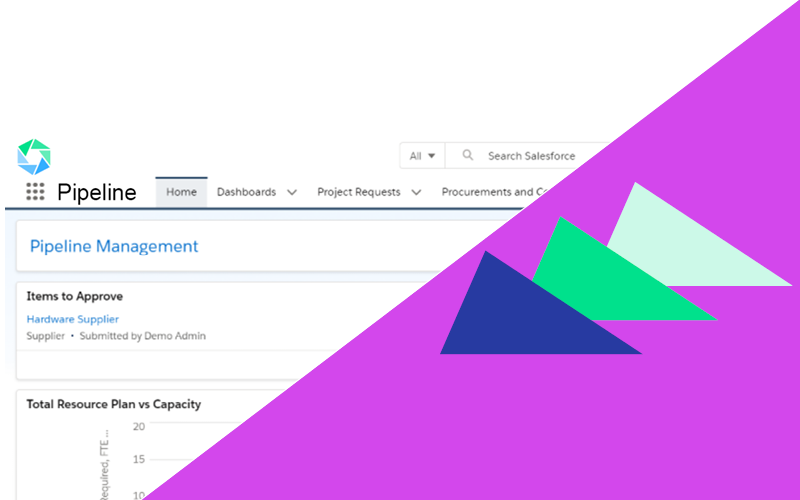 Our Pipeline App empowers your team to plan ahead and forecast for upcoming procurement activities.
 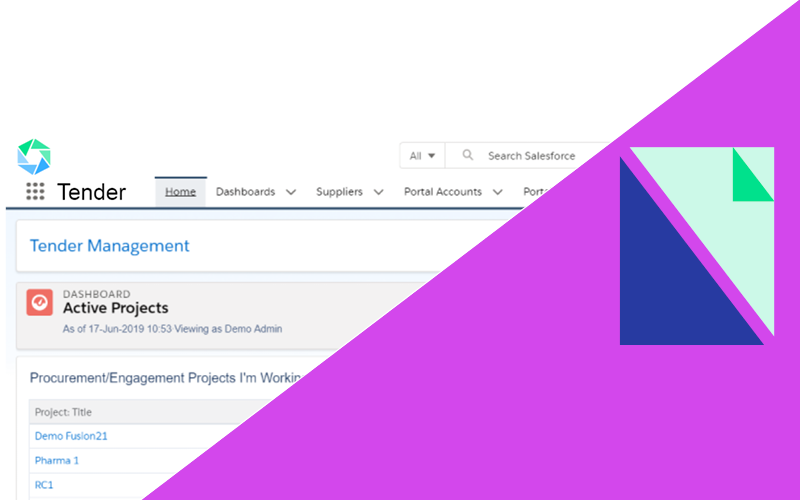 The Tender App allows your team to visualise all sourcing activities within your Atamis platform, from issuing tenders to receiving bids.
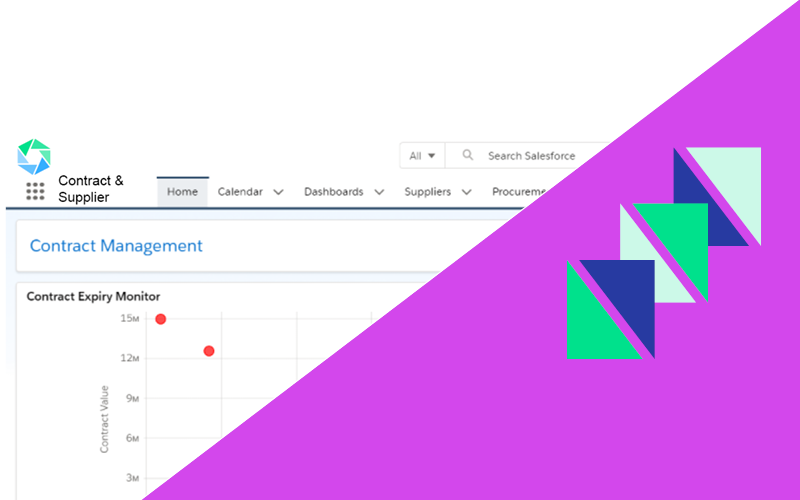 Our Contract & Supplier App puts your team in firm control of your key supplier relationships and provides a central repository for all contracts.
 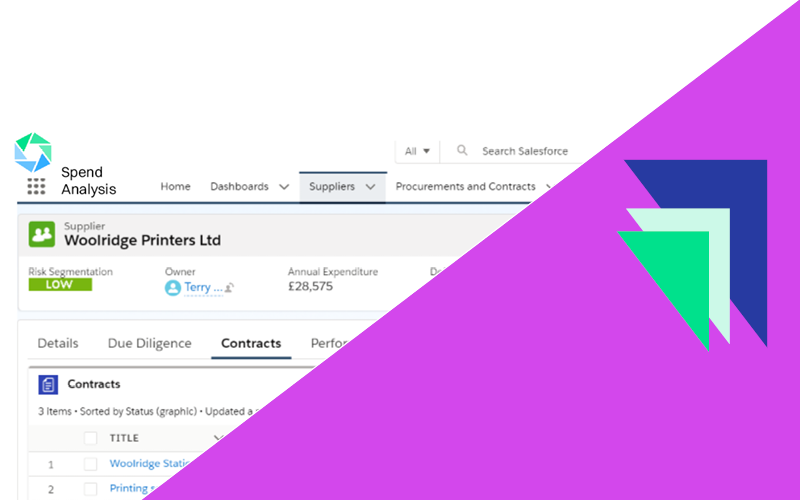 Our Enhancers ensure your solution is tailored to your needs. Pick and choose additional functionality that fits your requirements.

For UK and Ireland public sector procurement teams, choosing a new procurement platform has become significantly more complex.
The market is crowded with providers promising:
- end-to-end transformation
- automation
- AI-driven insights
- integrated procurement ecosystems
But in reality, many organisations still struggle with:
- disconnected systems
- poor implementation experiences
- weak adoption
- limited visibility across the procurement lifecycle
- and compliance processes that remain heavily manual
That’s why evaluating source-to-contract software for public sector procurement in 2026 requires more than reviewing feature lists.
The real question is:
Which platform genuinely supports the way modern public sector procurement teams need to operate?
And increasingly, that means evaluating software not just on sourcing capability, but on planning, governance, compliance, integration, supplier oversight, reporting and long-term operational fit.
This guide provides a practical framework public sector teams can use to compare modern integrated sourcing and contract management platforms more effectively.
Step 1: Start with your operating model, not the demo
One of the most common mistakes organisations make is allowing the software demonstration to shape their requirements.
Instead, procurement leaders should first define:
- how procurement currently operates
- where friction exists
- what future-state processes should look like
- and where visibility gaps are causing risk
This matters because not all platforms are built in the same way.
Some providers are heavily focused on:
- enterprise spend management
- supply chain complexity
- finance-led procurement models
Others are built specifically around:
- UK public sector governance
- procurement planning and control
- auditability
- operational flexibility
Before comparing suppliers, define:
- your governance structure
- approval requirements
- sourcing complexity
- reporting obligations
- and implementation capacity
Only then can you properly assess fit.
Step 2: Evaluate procurement planning capability first
This is where many evaluations go wrong.
Most procurement platforms focus heavily on:
- sourcing events
- tender execution
- contract storage
But relatively few support effective procurement planning and control upstream.
That creates a major operational gap.
Public sector procurement teams increasingly need visibility of:
- upcoming renewals
- future procurement pipelines
- resource planning
- governance timelines
- dependencies between projects
This is particularly important under increasing transparency and compliance expectations.
Questions to ask vendors:
- Can the platform support forward procurement planning?
- Does it connect pipeline activity to sourcing and contract management?
- Can teams forecast workload and governance activity?
- Is procurement intake managed within the platform?
This is an area where Atamis differentiates strongly through its integrated Pipeline App, connecting planning directly into sourcing and contract management workflows.
Many enterprise platforms offer sophisticated sourcing functionality but rely on external tools or manual processes for pipeline management.
That disconnect creates operational blind spots.
Step 3: Assess eSourcing functionality in the context of compliance
Most major vendors now offer capable e-sourcing tools.
The real differentiator is how well those tools support:
- UK public sector procurement compliance
- governance consistency
- audit readiness
- and usability for operational teams
Procurement leaders should evaluate:
- notice management
- evaluation workflows
- audit trails
- approvals
- supplier communications
- and integration with procurement regulations
Key evaluation criteria:
- Can sourcing processes be standardised?
- Are audit trails automatic?
- Does the platform support FTS and Contracts Finder integration?
- Are approvals configurable by authority level?
- Can procurement teams adapt workflows without heavy consultancy?
This last point matters more than many organisations realise.
Some global enterprise platforms, particularly highly configurable suites, can become dependent on specialist implementation support for even relatively small workflow changes.
For public sector organisations balancing governance with agility, that can become a long-term operational challenge.
Step 4: Compare contract management capability beyond storage
A surprising number of organisations still use “contract management” software that functions primarily as a document repository.
Modern contract management software should do far more.
In 2026, public sector teams should expect:
- centralised contract visibility
- obligation tracking
- supplier performance monitoring
- automated alerts
- audit history
- workflow integration
- reporting across the full lifecycle
This is where robust contract lifecycle management (CLM) capability becomes critical.
Questions procurement teams should ask:
- Can contracts link directly to sourcing activity?
- Is supplier data connected to contracts?
- Can obligations and milestones be tracked?
- Are renewal risks visible early?
- Can governance activity be reported in real time?
Atamis’ Contract & Supplier App was designed around this connected lifecycle approach, integrating supplier oversight, auditability and contract visibility within a broader source-to-contract environment.
By comparison, some enterprise suites excel in global procurement complexity but can feel overly heavyweight for UK public sector operational teams seeking speed, usability and governance clarity.
Step 5: Assess implementation realism, not just capability
This is often the deciding factor between successful procurement transformation and shelfware.
The reality is that some procurement platforms are extraordinarily powerful:
- but difficult to implement
- resource-intensive to configure
- and heavily reliant on external consultancy
That may suit large multinational environments.
It is often less suitable for:
- local authorities
- NHS organisations
- housing associations
- universities
- devolved government bodies
Public sector organisations should carefully assess:
- implementation timelines
- internal resource requirements
- ongoing configuration dependency
- and user adoption complexity
Questions to ask:
- How long does implementation typically take?
- How much internal technical support is needed?
- Can workflows be adapted internally?
- What does long-term support look like?
- How many UK public sector deployments has the vendor completed?
This is where Atamis’ public sector specialism becomes significant.
The platform has been designed specifically around UK procurement workflows and governance models, with modular deployment options allowing organisations to implement only the functionality they need.
That flexibility contrasts with some broader enterprise procurement ecosystems which may require larger-scale transformation programmes before value is realised.
Step 6: Evaluate reporting, visibility and data integrity
Procurement teams are increasingly expected to provide:
- strategic reporting
- compliance evidence
- savings visibility
- ESG tracking
- supplier oversight
- and operational insight
That is impossible if data sits across disconnected systems.
Strong integrated sourcing and contract management platforms should provide:
- a single source of truth
- configurable dashboards
- linked supplier, sourcing and contract records
- and accessible management information
Procurement leaders should assess:
- How easy is reporting to configure?
- Can data be extracted without technical support?
- Are dashboards role-specific?
- Is supplier, sourcing and contract data connected?
This is one of the biggest practical differences between truly integrated platforms and collections of loosely connected modules.
Step 7: Consider long-term adaptability
Public sector procurement regulation continues to evolve.
Platforms chosen today need to support:
- legislative change
- evolving governance models
- AI-assisted procurement processes
- changing reporting obligations
- and future integration requirements
The strongest software partners are not simply software vendors.
They are long-term procurement partners with:
- sector expertise
- implementation understanding
- and ongoing product evolution aligned to public sector needs
This is particularly important in the UK and Ireland public sector environment, where compliance expectations and operational pressures continue to shift rapidly. To learn more about how Atamis supported our public sector clients through TPP deployment and beyond visit this page.

Speak to our team today
Ready to uncover your tailored Atamis solution? Reach out to see if an Atamis solution could empower your team today.

Jay Perkins is Sales & Marketing Director at Atamis, with extensive experience helping organisations understand, evaluate and adopt technology that improves procurement and commercial performance. His career spans procurement technology, e-procurement, contract management, supplier performance monitoring, analytics and risk management. At Atamis, he works closely with procurement leaders to understand the challenges facing modern procurement functions and how technology can address them. His experience gives him a strong understanding of the source-to-contract technology landscape, including procurement transformation, procurement systems, contract lifecycle management, supplier management, procurement data and analytics.