 Atamis’ end-to-end solution is built to target your specific pain points and drive efficiencies.
  Our Pipeline App empowers your team to plan ahead and forecast for upcoming procurement activities.
 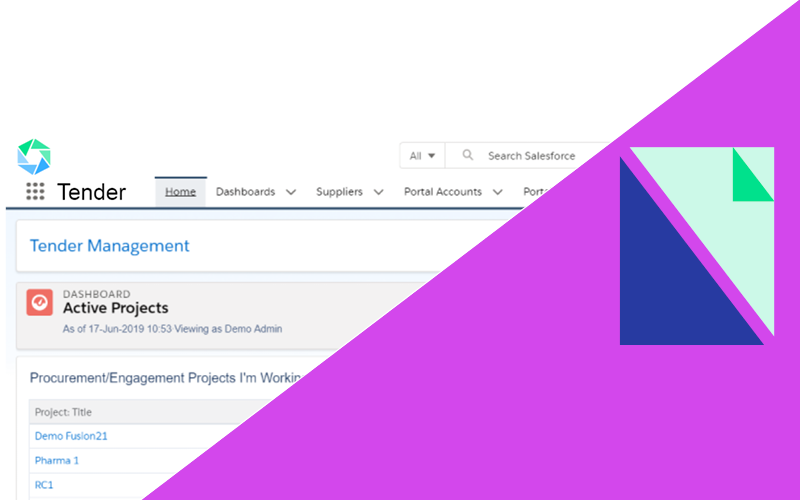 The Tender App allows your team to visualise all sourcing activities within your Atamis platform, from issuing tenders to receiving bids.
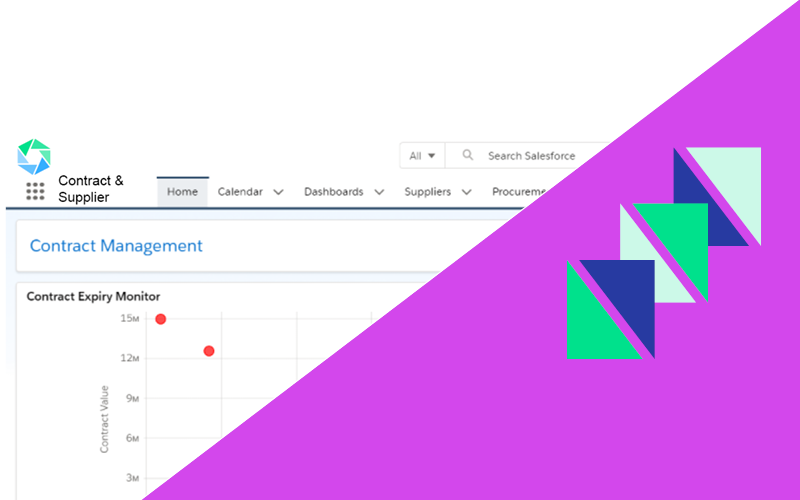 Our Contract & Supplier App puts your team in firm control of your key supplier relationships and provides a central repository for all contracts.
  Our Enhancers ensure your solution is tailored to your needs. Pick and choose additional functionality that fits your requirements.
Building Diverse and Inclusive Supply Chains in Procurement
Being socially conscious and, importantly, demonstrating that this is authentic rather than just paying lip service is fundamental in today’s world of work. In this context, procurement professionals have a unique opportunity, as well as a responsibility, to drive positive change.
Building a diverse supplier base isn’t just a moral imperative; it’s a strategic advantage that can enhance innovation, resilience and community impact. This is where flexible and intuitive supplier relationship software becomes an essential tool in making that vision a reality.
Here’s how procurement teams can take actionable steps towards a more inclusive and diverse supply chain.
Understanding the Importance of Supplier Diversity
Supplier diversity refers to the proactive inclusion of businesses owned by individuals from underrepresented groups, such as women, ethnic minorities, LGBTQ+ communities, veterans and people with disabilities, into the supply chain. This approach offers several benefits:
- Innovation and Creativity: Diverse suppliers bring unique perspectives and solutions, fostering innovation within the supply chain.
- Risk Mitigation and Resilience: A varied supplier base reduces dependency on single sources, enhancing supply chain resilience.
- Community Impact: Engaging diverse suppliers stimulates local economies and supports social equity.
- Competitive Advantage: According to McKinsey companies with diverse supply chains often experience improved financial performance and customer loyalty and diversity among suppliers benefits the economy.
Steps to Build a Diverse Supplier Base
1. Set Clear and Measurable Goals
Establishing specific, measurable, achievable, realistic and time-bound (SMART) goals is crucial. For instance, aim to increase the percentage of spend with diverse suppliers by a certain figure within a set timeframe. This approach provides a clear direction and facilitates progress tracking.
2. Assess the Current State
Conduct a thorough assessment of your existing supplier base to understand its diversity composition. This involves analysing procurement data, engaging with current suppliers, and identifying areas for improvement. Understanding where you stand is essential before setting objectives.
3. Leverage Technology
Utilise eSourcing platforms and supplier diversity databases to identify and engage with diverse suppliers. These tools streamline the sourcing process, ensuring transparency and efficiency. Atamis is a great example of a flexible platform with sharp functionality to support procurement teams in managing supplier diversity effectively.
4. Engage with Diverse Supplier Networks
Participate in industry events and organisations that focus on supplier diversity. These platforms provide opportunities to connect with potential suppliers, share best practices, and stay informed about the latest trends. Coventry Building Society hosted an inspiring event in 2024 that was a prime example of these forward thinking initiatives.
5. Provide Training and Development
Offer training programmes to diverse suppliers to enhance their business capabilities. This could include mentorship, financial literacy workshops or operational efficiency training. Such initiatives empower suppliers, fostering long-term partnerships.
6. Integrate Diversity into Procurement Policies
Incorporate diversity considerations into your procurement policies and procedures. This ensures that diversity is not an afterthought but a fundamental aspect of the procurement process. Clear policies guide procurement teams in making inclusive sourcing decisions.
7. Monitor and Report Progress
Regularly track and report on your supplier diversity metrics. Transparency in reporting builds trust and accountability, both internally and externally. It also allows for the identification of areas needing improvement.
Overcoming Challenges to Supplier Diversity
While the benefits are clear, building a diverse supplier base comes with challenges. Below are some of the most common barriers procurement teams face and how to address them.
Identifying Diverse Suppliers
Smaller or newer diverse businesses may not be easily identifiable. Traditional sourcing methods may overlook these organisations. Leveraging technology and supplier networks such as supplier diversity databases or integrated supplier relationships software can aid in discovering these suppliers.
Ensuring Fair Evaluation
To maintain fairness and quality, Iit’s essential to evaluate suppliers based on merit and capability, not just diversity status. Implementing standardised evaluation criteria helps maintain fairness.
Addressing Unconscious Bias
Unconscious bias can inadvertently exclude capable diverse suppliers. Providing training for procurement teams to recognise and mitigate bias is crucial to making equitable sourcing decisions and fostering inclusivity throughout the procurement process.
Diversity as a Strategic Lever
Building a diverse supplier base is more than a compliance exercise; it’s a strategic approach that can lead to enhanced innovation, resilience and community impact. By setting clear goals, leveraging technology, engaging with diverse networks and providing support to diverse suppliers, procurement professionals can create a more inclusive and effective supply chain.
Alignment with Public Policy and Best Practice
As outlined by the Supply Chain Sustainability School, supplier diversity is woven into the social value agenda. The UK government’s Social Value Model (PPN 06/20), talks about diverse supply chains under the theme, ‘tackling economic inequality’ and there is a significant pool of evidence to underline the commercial upside of an inclusive approach to procurement:
“Proven benefits include increased innovation, brand enhancement and competitive advantage. Research shows that supplier diversity also has a positive effect on the long-term growth of an organisation, while helping to develop and nurture long-term, mutually beneficial supplier relationships”.
There’s further insight on supplier diversity in Procurement Magazine’s article on The Top 10 Supplier Diversity Best Practices as well as Supply Chain Magazine’s Top 10 Supplier Diversity Best Practices.
Driving Inclusive Procurement Forward
By embracing supplier diversity practices, and making use of the right tools such as supplier relationship software, procurement professionals can contribute to a more inclusive, responsible and sustainable business environment.
Ready to empower your team and enhance supplier relationships?
Talk to us today so we for help with your supplier relationship goals.