
 Atamis’ end-to-end solution is built to target your specific pain points and drive efficiencies.
 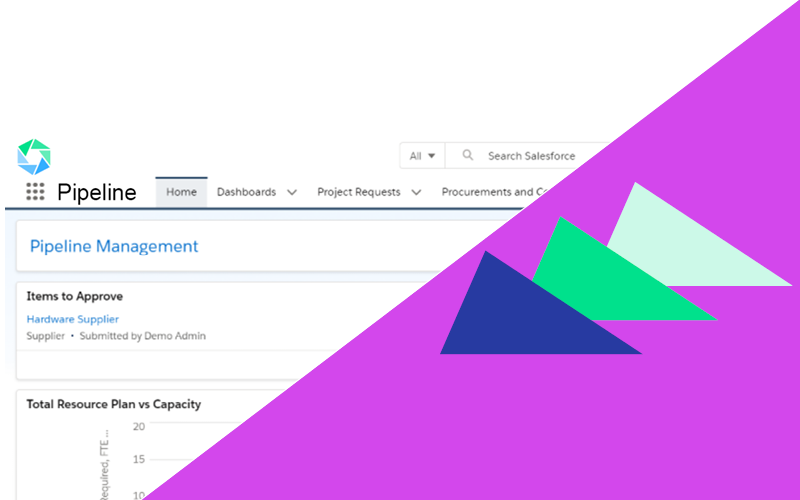 Our Pipeline App empowers your team to plan ahead and forecast for upcoming procurement activities.
 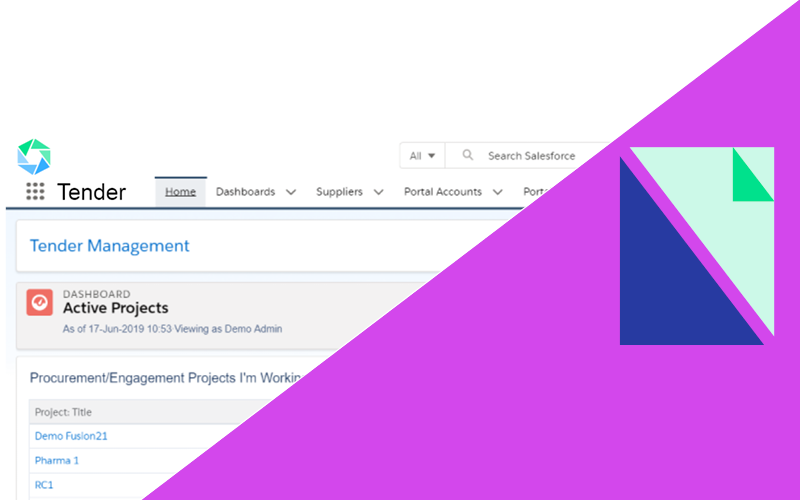 The Tender App allows your team to visualise all sourcing activities within your Atamis platform, from issuing tenders to receiving bids.
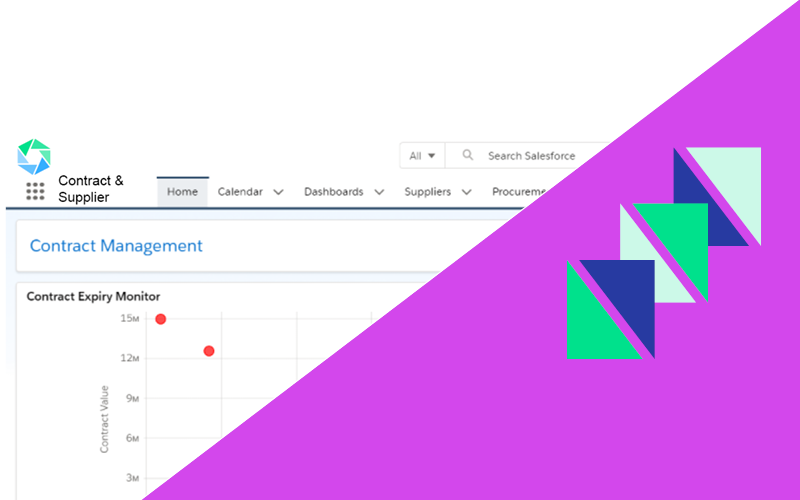 Our Contract & Supplier App puts your team in firm control of your key supplier relationships and provides a central repository for all contracts.
 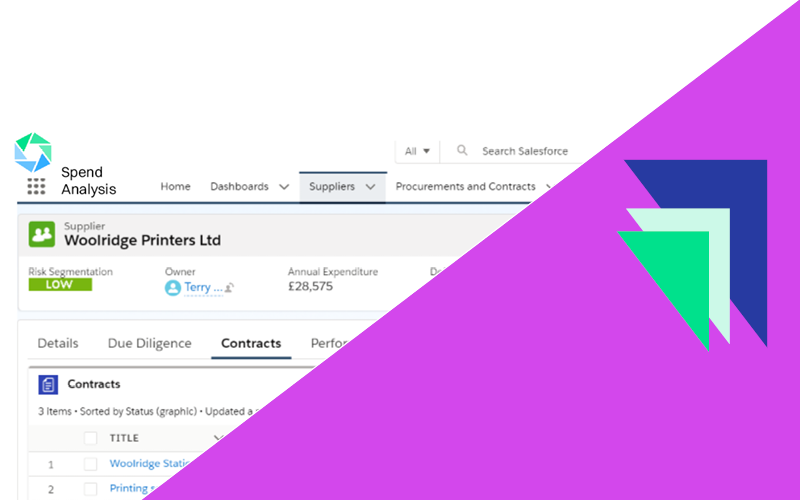 Our Enhancers ensure your solution is tailored to your needs. Pick and choose additional functionality that fits your requirements.
In February 2025, the biggest reform to public procurement in a generation came into effect. The Procurement Act 2023 is the centrepiece of the government’s Transforming Public Procurement (TPP) programme marking a fundamental shift in how the public sector procures goods, services and works.
Post-TPP Supplier Engagement and the Importance of Supplier Risk Management Tools
For public sector suppliers, especially those engaging in central and local government tenders, this isn’t just legislative noise, it’s a real change to how they find opportunities, get involved early and ultimately win business. As a provider of procurement software trusted by public sector organisations, we’ve seen first-hand how supplier engagement expectations are evolving.
As a provider of procurement software trusted by public sector organisations, we’ve seen first-hand how supplier engagement expectations are evolving – and increasingly part of the picture.
In this blog, we’ll break down:
- What supplier engagement looked like before TPP
- What’s changed under the Procurement Act
- What it all means for public sector suppliers
- How the right public procurement software and supplier risk management tools can help navigate this new landscape
Supplier Engagement Before TPP: A Fragmented Picture
Before the Procurement Act 2023, pre-tender engagement was a mixed bag. While Preliminary Market Engagement (PME) was technically allowed under the (now revoked) Public Contracts Regulations 2015 (PCR 2015), it was underused and often inconsistent. Contracting authorities were wary of breaching transparency or fairness rules and nervous about any perception of supplier bias.
As a result:
- Engagement tended to be generic and light-touch
- SMEs and new entrants often missed out on early influence
- Suppliers saw limited opportunities to shape upcoming procurements
- Key details (like award criteria or route to market) only surfaced after a tender launched
Public sector suppliers were largely reactive, only able to respond once the tender clock had already started ticking.
What’s Changed Under the Procurement Act 2023?
Under the new regime, supplier engagement is not just allowed, it’s actively encouraged.
Here’s how the Procurement Act has transformed the early engagement landscape:
1. Preliminary Market Engagement (PME) is Now a Defined and Expected Step
The Act formalises the practice of PME, empowering contracting authorities to actively engage suppliers in advance of a tender.
They can now:
- Test the market for capacity, capability and innovation
- Gather feedback on potential requirements or contract structures
- Explore how award criteria or pricing mechanisms might work
- Co-design solutions that better meet public needs
Importantly, authorities must ensure equal treatment and document their engagement activity, either via a Transparency Notice or within a central platform.
2. Publication of Pipelines and PME Notices
Authorities are now encouraged – and in many cases required – to publish procurement pipelines, early engagement notices and pre-tender opportunities.
This gives suppliers a clear forward view of what’s coming with more time to prepare, collaborate and offer insight. The Find a Tender Service (FTS) and a new Central Digital Platform will act as centralised hubs for data retrieval for supplier PSQs and publishing notices, including:
- Pipeline Notices
- PME Notices
- Contract Notices
- Contract Award Notices
- Transparency Notices
3. Level Playing Field for SMEs and New Entrants
The reforms aim to level the playing field and encourage diverse supply chains. PME is explicitly framed as a way to attract fresh thinking, widen competition and remove unnecessary barriers to entry.
That means:
- Authorities are expected to structure procurements that don’t default to “business as usual”
- Suppliers from all backgrounds and especially SMEs and VCSEs, should have earlier, fairer access to shape tenders
- Transparency around upcoming procurement helps smaller suppliers plan and respond more effectively
Including SMEs
Making public procurement more accessible to small and medium-sized enterprises (SMEs) is not just a matter of fairness; it’s an economic imperative. SMEs make up over 99% of UK businesses, yet many still find the process of bidding for public sector contracts overly complex, time-consuming or weighted in favour of larger competitors. That’s why it’s crucial that the journey from opportunity to award is designed with simplicity, transparency and support in mind.
Equally, procurement teams must ensure they are approachable and open to engaging a wider supplier base. The UK Government has set a clear target: one in every three pounds of public procurement spend should go to SMEs.
The UK Public Sector has yet to achieve this ambition. Meeting this goal will require well-designed tendering processes, clear guidance and digital tools that remove barriers to entry. It’s about levelling the playing field so SMEs can compete on value, innovation and expertise, not just scale or legacy.

Learn more
We recently wrote a piece on how procurement can actively work to include SMEs in their supplier base.
What This Means for Public Sector Suppliers
These changes bring opportunities, but they also raise the bar for how suppliers engage with the public sector.
1. You Need to Engage Earlier
With PME notices and market testing now routine, suppliers can’t afford to wait until the tender goes live. By then, the scope and criteria are largely fixed.
Suppliers need to:
- Monitor PME and pipeline notices regularly
- Attend market engagement events and respond to soft market testing
- Share insights, innovations and ideas at the design stage and not just during submission
- Proactively educate buyers on what’s possible
This early involvement can shape procurement outcomes before the tender clock starts ticking.
2. You Need to Be Visible and Responsive
Authorities are looking to engage suppliers across sectors and geographies. But if you’re not visible or not ready to engage, your competitors will be.
You should:
- Register on key portals (e.g. FTS and the Central Digital Platform)
- Build and maintain supplier profiles that reflect your capacity and capabilities
- Prepare templated responses and case studies that demonstrate value
- Make it easy for buyers to understand what you offer and why it matters
3. You Need to be Ready for More Transparent Procurement
The Procurement Act’s emphasis on transparency means:
- Greater public visibility of what tenders are coming and who wins
- A clearer audit trail of how award decisions are made
- The possibility of more scrutiny (and legal challenge) if things go wrong
Suppliers need to:
- Ensure submissions are complete, clear, and compliant
- Prepare to justify value in line with award criteria (e.g. Most Advantageous Tender)
- Avoid assumptions and ensure all key data is captured in their bids

“Supporting our public sector clients through the preparation and introduction of the Procurement Act’s first phases has been one of the most important and rewarding parts of our recent work. We know that legislation of this scale brings both opportunity and uncertainty and it’s been our priority to help organisations prepare with confidence. Whether it’s updating functionality to reflect new notice requirements, providing resources on new system functionality that actually helps calm anxieties or ensuring our platform fully aligns with transparency obligations, we’ve worked hand-in-hand with clients to deliver.”
Kate Stavrides, Atamis Product Manager
Final Thoughts
The Procurement Act 2023 has reshaped the way suppliers interact with the public sector, opening up more opportunities but also demanding greater visibility, transparency and early engagement.
To thrive in this new era, suppliers should embrace technology, such as procurement management software to supplier risk management tools to stay compliant, competitive and prepared for scrutiny.
Want to see how Atamis can help you manage risk, engage effectively and win more contracts?
Get a demo with our team today.