 Atamis’ end-to-end solution is built to target your specific pain points and drive efficiencies.
 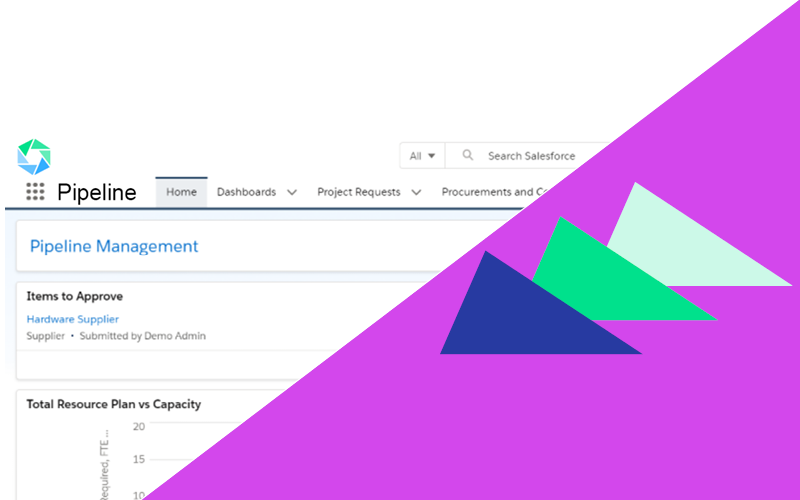 Our Pipeline App empowers your team to plan ahead and forecast for upcoming procurement activities.
 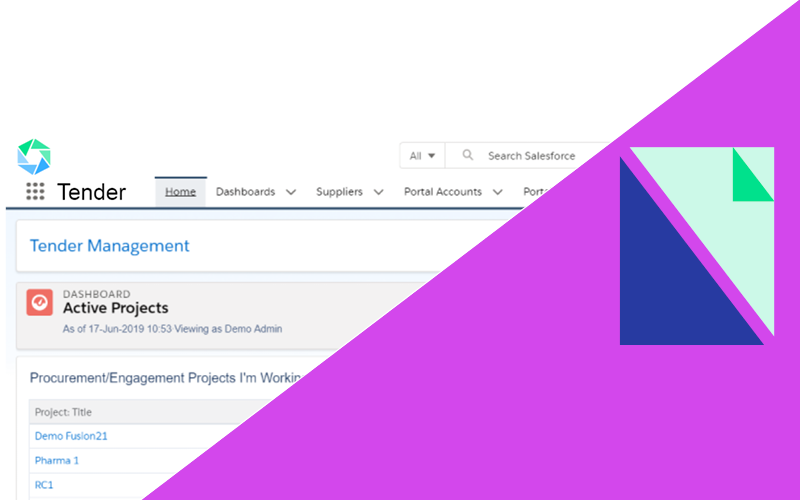 The Tender App allows your team to visualise all sourcing activities within your Atamis platform, from issuing tenders to receiving bids.
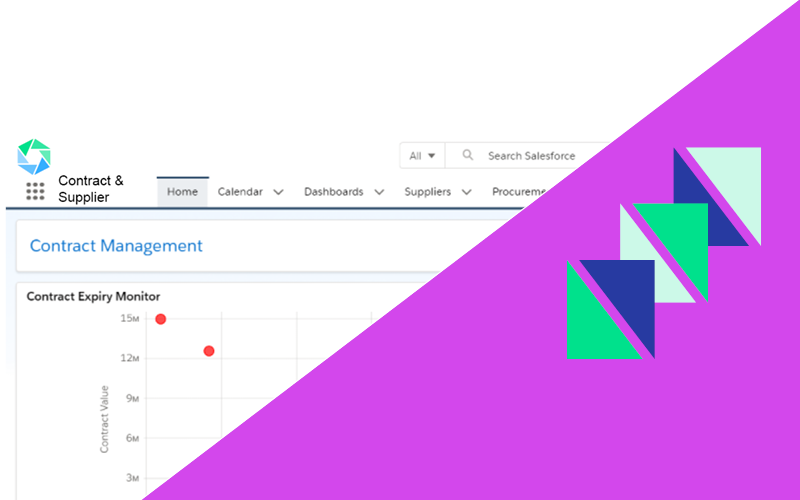 Our Contract & Supplier App puts your team in firm control of your key supplier relationships and provides a central repository for all contracts.
 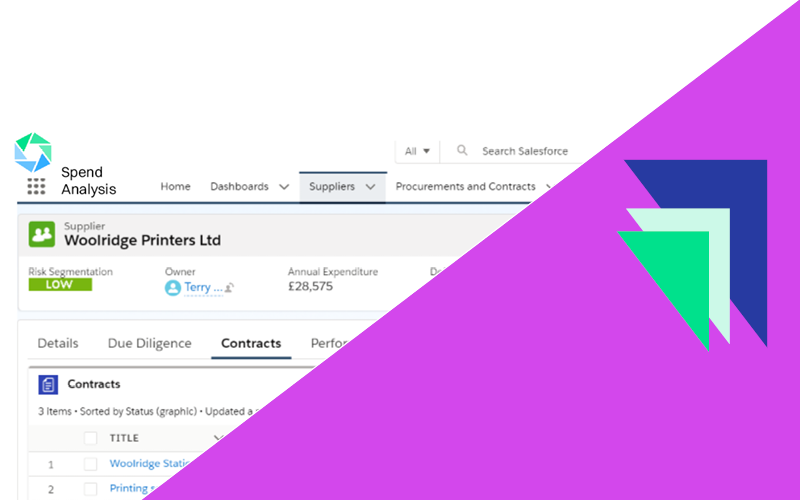 Our Enhancers ensure your solution is tailored to your needs. Pick and choose additional functionality that fits your requirements.
Environmental, Social and Governance (ESG) has worked its way up the priority list for many procurement teams across the UK.
In 2025, supplier ESG performance is often a non-negotiable part of vendor assessment, risk management and contract renewal decisions in both public and private sectors. Organisations must not only set high ESG standards, but also empower their suppliers and third parties to meet them. Crucially, the right supplier relationship management (SRM) software or vendor management system becomes the linchpin that makes ESG compliance feasible and scalable.
In this blog, we’ll explore the key ESG metrics suppliers are expected to consider in 2025, spanning environmental responsibility, social impact and governance standards. We’ll examine the factors driving these rising demands, from regulatory pressure to investor scrutiny and shifting public expectations. We’ll also look at the role procurement teams play in supporting suppliers to meet these obligations and why collaboration, transparency and clear communication are crucial. Finally, we’ll explain why robust supplier relationship management (SRM) software is now essential for managing ESG across complex supply chains, enabling procurement teams to track performance, reduce risk and build stronger, more sustainable supplier partnerships.
Let’s dive in.
What Suppliers Need to Deliver on ESG in 2025
As ESG continues to evolve from a policy aspiration into a measurable and enforceable procurement requirement, suppliers across the UK (and beyond) face increasing scrutiny from buyers in both the public and private sectors. Expectations have moved well beyond surface-level commitments; suppliers are now expected to demonstrate tangible action, verifiable data and a long-term strategy for improvement. Let’s break down what this means in practice, starting with environmental responsibilities.
Environmental Responsibility
Suppliers are often asked to demonstrate a meaningful and measurable commitment to carbon reduction and net-zero alignment. Suppliers bidding for major contracts are increasingly expected to have published net-zero strategies, complete with interim targets and timelines. Importantly, this includes visibility not only over their direct (Scope 1) and indirect energy-related (Scope 2) emissions, but also over their wider supply chain (Scope 3), which remains the most challenging category to quantify. Suppliers that can produce clear carbon accounting and show year-on-year progress will stand out in competitive tenders.
Equally critical is demonstrating resource efficiency and waste reduction. With the adoption of green procurement strategies, buyers are prioritising suppliers that integrate circular economy principles into their operations, such as designing for reuse, reducing single-use materials or using remanufactured components. Landfill diversion rates, water use reduction and packaging optimisation are now becoming procurement selection criteria in themselves. Failure to show progress here can see suppliers disqualified early in the evaluation process.
Sustainable sourcing and biodiversity protection are also rising up the agenda. This means ensuring that raw materials are ethically and sustainably sourced, that deforestation or ecosystem harm is avoided and that suppliers maintain full traceability of key commodities.
Social Value and Labour Standards
On the social front, modern slavery and human rights due diligence remain front and centre. Under the UK’s Modern Slavery Act, suppliers are legally required to publish an annual modern slavery statement if they meet certain thresholds, but in practice, expectations now extend well beyond this. Buyers are looking for proactive supply chain mapping, risk assessments for high-risk geographies and evidence that their suppliers are committed to these aspirations. Demonstrating that your organisation has zero tolerance for exploitation and the policies to back it up is essential.
Diversity, equity and inclusion (EDI) is another critical area. Procurement teams increasingly want to see evidence that suppliers are cultivating inclusive workforces, offering fair pay and taking concrete steps to address representation gaps. This includes gender and ethnic diversity across leadership, inclusive recruitment processes and employee wellbeing initiatives. In the public sector, where contracts are scored in part on social value (often at 10% of the total weighting), EDI performance can directly impact a supplier’s likelihood of success.
Community impact and broader wellbeing benefits are also in the spotlight. Particularly in public sector procurement, there is an expectation that projects deliver value beyond the scope of the contract. This might include commitments to local job creation, skills development or SME supply chain inclusion.
Governance and Ethical Conduct
Strong governance is the backbone of ESG and in 2025, suppliers are expected to have robust systems in place to uphold it. Cybersecurity and data protection are now business-critical concerns, especially given the growing number of cyberattacks targeting supply chains. Suppliers handling any form of sensitive data are expected to demonstrate compliance with GDPR, hold certifications like ISO 27001 and implement secure access controls, encryption and incident response plans.
Anti-corruption and ethical conduct are also under greater scrutiny. Suppliers must show they have anti-bribery policies, whistleblowing mechanisms and clear ethics training for staff. Public sector bodies in particular will reject suppliers that cannot prove a track record of transparent and accountable business practices. Demonstrable alignment with the UK Bribery Act and international standards such as ISO 37001 gives suppliers a competitive advantage.
Finally, regulatory compliance and ESG reporting are non-negotiable. Procurement teams expect to see up-to-date policies, ESG dashboards, audit documentation and a clear mechanism for tracking and responding to breaches or underperformance. Increasingly, buyers are turning to digital procurement tools that allow this data to be submitted and reviewed in real time, placing a premium on suppliers who can meet those expectations through integrated platforms.
Why ESG Expectations Are Accelerating
The growing expectations around supplier ESG performance are not happening in isolation. A combination of regulatory pressure, shifting societal norms and heightened business risk is reshaping procurement’s role and reach. For procurement professionals in both public and private sector organisations, meeting these expectations is no longer just a value-add, it’s a commercial, ethical and legal imperative.
Regulatory and Government-led Drivers
Regulation is one of the most powerful forces accelerating ESG accountability in supply chains. In the UK, the Sustainability Reporting Standards represent a major shift in how both financial and non-financial organisations are required to disclose sustainability-related risks and opportunities. These requirements, influenced by global frameworks such as the EU’s Corporate Sustainability Reporting Directive (CSRD), mandate the production of verifiable ESG data. For suppliers, this means ESG reporting must be transparent, auditable and aligned with recognised standards. Crucially, procurement teams are expected to evaluate and monitor this as part of sourcing and ongoing contract management.
Within the public sector, ESG is being reinforced through mechanisms such as social value scoring in tenders. The UK government’s Procurement Policy Note 06/20 mandates that central government buyers evaluate social value explicitly in all tenders, with a minimum weighting of 10%. This has led to ESG criteria being embedded directly into procurement processes. Suppliers that fail to align risk exclusion from major public contracts. Meanwhile, large private sector buyers are also under pressure to demonstrate ESG leadership not just to regulators, but to shareholders and customers and this cascades down through their supply chains.
In addition, the UK’s Procurement Act, which came into force in February 2025, strengthens the role of transparency, accountability and fair treatment in public procurement. While not solely an ESG policy, the new legislative framework amplifies expectations that public spend contributes to wider public benefit – further reinforcing ESG alignment as a standard, not a ‘nice to have’.
Stakeholder & Investor Pressure
Another major force accelerating ESG expectations is the rising influence of stakeholders, (including customers, employees and investors) all of whom are increasingly focused on ethical and sustainable business practices. Consumers are more informed and values-driven than ever. Social media and 24/7 news cycles mean any association with environmental destruction, exploitative labour conditions or unethical sourcing can lead to rapid reputational damage. For major brands, supplier misconduct can quickly become a front-page issue and procurement teams are being asked to safeguard brand integrity by demanding higher ESG standards.
On the investor side, ESG metrics are often factored into capital allocation decisions. Institutional investors may embed ESG criteria into due diligence processes, requiring companies to assess and manage ESG risks within their supply chains as part of wider enterprise risk frameworks. Poor ESG performance can now impact a company’s share price and long-term viability. Procurement is expected to help protect enterprise value by working with suppliers that can meet increasingly rigorous ESG benchmarks.
Meanwhile, prospective employees (especially younger generations) are showing a clear preference for employers with strong ethical credentials. Procurement’s ability to ensure supply chain alignment with organisational values can directly support talent retention and recruitment strategies.
Risk Management & Resilience
Finally, the ESG agenda is gathering pace because the risks of ignoring it are now too great. Environmental events such as flooding, wildfires or extreme weather events, are disrupting global supply chains with increasing frequency and severity. Procurement teams must now assess climate risk exposure not just at the Tier 1 supplier level, but further downstream. Suppliers that cannot demonstrate climate preparedness or emissions resilience may pose unacceptable business continuity risks.
Human rights abuses and labour violations, even if several steps removed from the end buyer can have devastating reputational consequences and legal implications. Similarly, suppliers with weak cybersecurity frameworks can expose buyers to data breaches, ransomware attacks and fines under laws such as the General Data Protection Regulation (GDPR).
The result is that procurement is increasingly expected to act as the first line of defence in identifying and mitigating these ESG-linked risks. This demands deeper supplier visibility, closer collaboration and ongoing performance monitoring (none of which can be achieved with spreadsheets or siloed legacy tools).
Effective ESG management is no longer an annual check-box exercise. It requires continuous engagement, structured reporting and integrated risk controls and this is only achievable when procurement is equipped with the right supplier relationship management (SRM) and ESG monitoring software.
How Procurement Teams Can Support Supplier ESG Performance
Clear ESG Criteria in Supplier Selection
Embedding ESG in your procurement process starts with tender design. Asking for ESG pledges, certifications (e.g., ISO 14001) and social value plans sends a signal from day one – and helps dissuade non-compliant bidders.
Co‑development and Capacity Building
Treat ESG ambition as a journey. Offer workshops, ESG scorecards and shared KPI frameworks so that your suppliers understand how to meet expectations. SMEs may require extra support and procurement teams that offer it gain better engagement.
Trust Through Transparency
Publish ESG expectations and performance metrics in vendor portals or dashboards. Regular check‑ins and performance reviews should include ESG goals alongside price or delivery.
Linking ESG to Incentives and Contract Terms
Performance-based contract clauses, green bonuses or reinvestment plans can strengthen supplier motivation, especially when structured within legal frameworks and monitored effectively.
Why SRM & Procurement Software Are Essential
Without automation, managing ESG compliance across a supplier base is almost impossible. That’s where vendor management systems and SRM tools become critical:
Central ESG Data Capture & Reporting
Modern SRM platforms let suppliers update ESG metrics directly (emissions, EDI statistics, certifications, audit results) making KPI tracking and compliance checks automatic.
Alerts and Performance Dashboards
On‑time reporting can be tracked via alerts and dashboards. Procurement teams gain at-a-glance insight into lagging suppliers or emerging risk areas.
Collaboration & Engagement Tools
Integrated portals support document sharing, virtual meetings and Q&A threads. SMEs receive proactive outreach and tools to build ESG capacity.
Actionable Workflows and Escalations
If an ESG metric dips, for example, an expired ISO certification, the right system can trigger risk workflows, internal reviews or supplier engagement processes.
Analytics and Assurance for Tendering
SRM platforms with ESG overlays allow procurement directors to filter tender shortlists based on ESG scores, provide comparative dashboards and tie contract awards to ESG objectives.
Bringing It All Together: The Business Case
Efficiency Meets Resilience
Manual ESG tracking is slow and error‑prone. The right Procurement Software saves time while improving data accuracy and audit-readiness, reducing risk and enabling faster decision‑making.
Better Supplier Relationships
Engaged suppliers – especially SMEs – are more likely to go the extra mile on ESG goals if they feel supported. Modern Procurement Software should enable two-way communication and power in recognition of their efforts.
Future‑Proofing
With regulatory standards tightening and consumer scrutiny rising, organisations that embrace ESG and that are supported by robust SRM tools, will mitigate risk and gain trust.
ESG Is No Longer Optional and the Right Tools Make It Work
Suppliers must not only meet rigorous environmental, social and governance benchmarks; they must also be able to regularly evidence their performance. For procurement teams, this doesn’t just mean setting ESG targets. It means managing relationships, collaborating effectively and using data-driven tools to keep suppliers on track.
Speak to sales
If you’re ready to centralise ESG tracking across your supplier base, improve supplier engagement and elevate your tender and SRM capabilities, get in touch.
Get a Demo