
 Atamis’ end-to-end solution is built to target your specific pain points and drive efficiencies.
 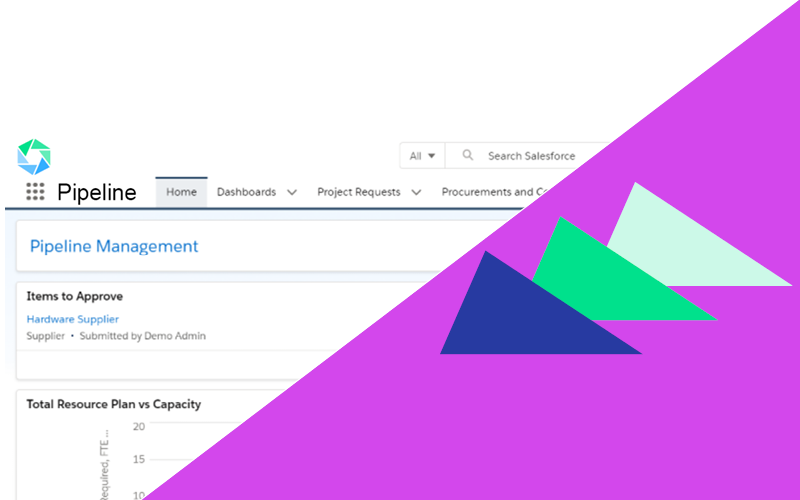 Our Pipeline App empowers your team to plan ahead and forecast for upcoming procurement activities.
 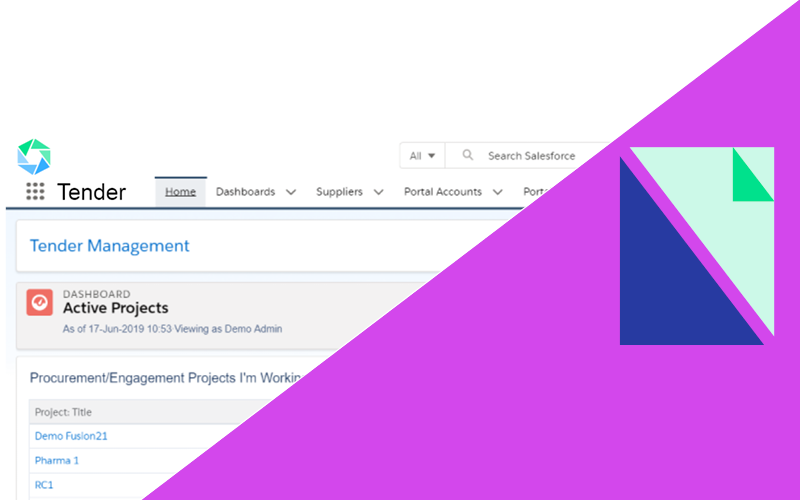 The Tender App allows your team to visualise all sourcing activities within your Atamis platform, from issuing tenders to receiving bids.
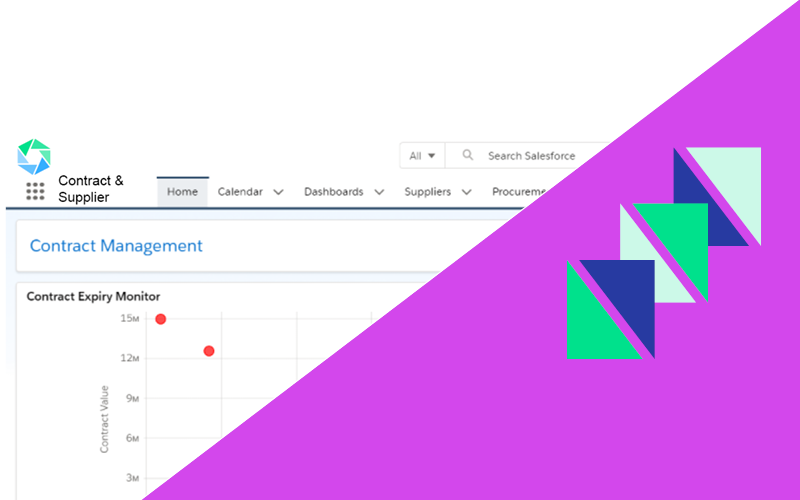 Our Contract & Supplier App puts your team in firm control of your key supplier relationships and provides a central repository for all contracts.
 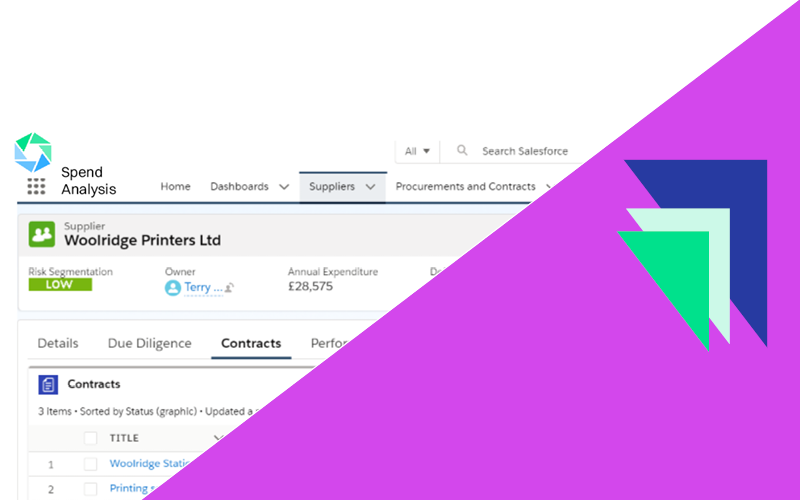 Our Enhancers ensure your solution is tailored to your needs. Pick and choose additional functionality that fits your requirements.

Procurement Pipeline: How Tech Can Support You in Planning Resource and Strategic Procurement
One thing both public and private sector procurement have in common is the view that the need for greater foresight, control and adaptability has never been more critical. As procurement professionals know all too well, today’s success often hinges not just on what you buy but how, when and why you buy it.
That’s where the procurement pipeline comes into play. But despite its strategic importance, many organisations still manage their pipelines manually, with outdated spreadsheets, siloed systems and inconsistent processes.
Turning Technology into a Strategic Advantage
Technology, when implemented with intent and understanding, has the power to transform how procurement teams plan, manage and deliver on their strategic objectives.
Whether you’re navigating budget cycles, managing contract renewals or aligning with operational demands, contract management software for procurement can elevate your pipeline from a static plan to a dynamic, value-driving engine.
Empowering Procurement to Operate Strategically
Across the UK, organisations in sectors as diverse as finance, housing, care homes, utilities, energy, healthcare and local government are embracing digital transformation.
Procurement practitioners and strategists in fields such as eProcurement, contract management and supplier relationship management are discovering how technology can support their pipeline planning efforts — from visibility and collaboration to forecasting and compliance.
Together, these advances are empowering procurement teams to truly operate as a strategic function, not just a transactional one.
Understanding the Procurement Pipeline in a Strategic Context
What Is a Procurement Pipeline?
At its core, a procurement pipeline is a forward-looking view of upcoming sourcing activity across the organisation. It maps out anticipated procurements by category, value, timing and business unit, offering a centralised view of what’s coming down the track.
More Than Just a Calendar
But when done right, it’s much more than a calendar; it becomes a tool for capacity planning, stakeholder engagement, risk mitigation and alignment with strategic goals.
Common Challenges with Maintaining Pipelines
Traditionally, many organisations have struggled to maintain a current, accurate pipeline. Project delays, scope changes or lack of coordination between departments often result in reactive purchasing and missed opportunities.
Bringing Structure Through Technology
By introducing intelligent procurement software into the mix, you gain a structured, collaborative environment that ensures your pipeline becomes a living, breathing part of your procurement strategy- not just a spreadsheet that’s updated once a quarter.
Enhancing Visibility and Collaboration with Technology
Creating a Clearer View of Procurement Activity
One of the most immediate benefits of digital pipeline management is the visibility it creates.
With a centralised platform, ideally integrated with your broader eprocurement or contract management systems, you can bring together disparate sources of demand data across departments, cost centres and business units.
This enables procurement teams to see the bigger picture, identify trends and make decisions proactively rather than reactively.
Driving Collaboration Across the Organisation
But visibility is only part of the story. Effective pipeline planning requires active collaboration with stakeholders across the business, from budget holders to operational leads.
Modern procurement tools offer shared dashboards, workflow alerts and communication features that make it easy for stakeholders to submit procurement requests, flag changes and engage early in the process.
This early engagement reduces the number of last-minute procurements and allows for more strategic sourcing exercises, rather than rushed spot-buys.
Strengthening the Contract Renewal Process
Utilising technology to support the contract renewal process through the orchestration of contracts that are due to expire, getting them to flow back into the pipeline, elevates the importance of contract renewals and earlier notification in the procurement process.
Aligning Procurement Activity with Organisational Objectives
Moving from Reactive to Strategic Procurement
Strategic procurement isn’t about reacting to every purchasing request. It’s about aligning procurement with organisational goals, whether those are cost efficiency, sustainability, supplier diversity or innovation.
How Technology Supports Strategic Alignment
Technology like Atamis supports this alignment by offering tagging, classification and prioritisation tools within the pipeline, allowing you to group and segment upcoming procurements according to strategic drivers.
Using Data to Drive Smarter Decisions
For example, if your organisation has a target to reduce carbon emissions through supply chain choices, your pipeline tool can highlight which upcoming procurements may impact this target.
Likewise, if budget constraints are expected in Q3, the pipeline view allows you to front-load high-impact projects or negotiate better terms on renewals. By bringing data and strategy together, you can ensure that procurement serves as a lever for value, not just a cost control function.
Capacity Planning and Resource Allocation
A frequently overlooked advantage of pipeline technology is how it aids resource planning within the procurement function itself.
When you have visibility of upcoming tenders, contract renewals and complex negotiations, you can assign workload more effectively across your team. Rather than scrambling when three major projects land in the same month, a structured pipeline view helps you sequence and balance work based on risk, value and resource availability.
Some advanced procurement software tools even offer workload forecasting features, using historical data to estimate the time and complexity involved in each upcoming procurement.
This allows managers to plan recruitment, training or external support well in advance byreducing burnout and improving delivery outcomes.
Improved Contract Management and Renewal Planning
The Critical Role of Contracts in Procurement
Any discussion about procurement pipeline management would be incomplete without addressing the role of contracts.
Knowing when contracts are due to expire, which terms may need renegotiation and which suppliers are underperforming is essential to making informed sourcing decisions.
Integrating Contract Management into the Pipeline
Integrated contract management tools within procurement platforms ensure that contract data is not sitting in a disconnected repository but feeding directly into your pipeline planning process.
Automating Renewals and Reducing Risk
When your contract system is tied into your pipeline, it can automatically flag renewal dates, trigger early market assessments or initiate supplier reviews.
This prevents the all-too-common scenario of auto-renewing underperforming contracts due to lack of time or visibility. By building contract intelligence into your procurement pipeline, you increase leverage, reduce risk and drive better commercial outcomes.
Forecasting and Demand Planning
Anticipating demand is one of the more sophisticated but rewarding aspects of pipeline planning.
With the help of data analytics and AI-driven forecasting tools, procurement teams can predict upcoming needs based on seasonality, historical trends, business growth plans or external market signals.
For example, if a surge in demand is expected due to a new product launch or regulatory change, your procurement pipeline should reflect this in both timing and resourcing.
Using Data and AI to Strengthen Forecasting
Modern eprocurement platforms now offer predictive analytics modules that ingest data from finance, operations and even external supply chain sources to give procurement leaders a more accurate view of upcoming demand.
This type of forecasting empowers procurement to act strategically: sourcing early, locking in favourable terms and avoiding market volatility.
Compliance and Audit Readiness
Another key benefit of digital pipeline management is enhanced compliance. With increasing scrutiny over how public funds are spent and rising expectations from private sector stakeholders around governance of process and controls, it’s vital to demonstrate that procurement processes are robust, auditable and defensible.
Creating a Transparent and Traceable Audit Trail
Digital pipeline tools contribute to creating an automatic audit trail of who initiated a procurement, when it was approved, how it was classified and what strategic objective it aligns to.
When integrated with your contract management system, it also shows which contracts resulted from each pipeline item, closing the loop from planning to delivery.
This is invaluable not only for internal audits but also for demonstrating value and integrity to external regulators or investors.
Driving Culture Change in the Procurement Function
Finally, it’s worth noting that the real power of procurement technology lies in its ability to drive cultural change. By moving away from fragmented planning and reactive purchasing, you signal to the organisation that procurement is a strategic partner rather than just a transactional function.
When business units see that procurement has a clear view of upcoming activity, they’re more likely to engage early, collaborate meaningfully and respect process integrity.
The best procurement software doesn’t just deliver features, it reshapes behaviours. It fosters a culture of planning, communication and performance management, which ultimately translates into better outcomes for the business.
Moving from Static Plans to Strategic Action
A well-managed procurement pipeline is the foundation of a mature procurement function.
But without the right technology, it’s difficult, if not impossible, to maintain accuracy, engage stakeholders or adapt to change. By leveraging integrated, intelligent tools, procurement teams can shift from reactive firefighting to proactive, strategic delivery.
Unlocking the Full Potential of Modern Procurement Tools
From capacity planning and contract management to demand forecasting and stakeholder collaboration, today’s eprocurement platforms offer a suite of capabilities designed to support your pipeline planning efforts holistically.
The result? Better visibility, stronger compliance and more time to focus on what really matters: delivering value through procurement.
If your organisation is still managing the procurement pipeline in Excel, it’s time to explore what modern procurement software can do. Because in these complex times of constant change and challenge, planning isn’t an optional extra, it’s a core necessity.
Ready to see what Atamis can do for your organisation?
Discover how our intelligent, integrated solutions can transform your procurement pipeline and help you plan strategically for the future.


Hayley is a Product Owner at Atamis, where she works at the intersection of procurement, technology and product development to shape solutions that address the evolving needs of modern procurement teams. She translates user and business requirements into clear product priorities, working closely with customers, procurement specialists, developers and other stakeholders to ensure Atamis’ procurement technology delivers practical, scalable and effective outcomes across the source-to-contract lifecycle.
Her expertise spans procurement technology, product ownership, digital procurement transformation, requirements analysis and the design of technology-enabled procurement processes. Through her work at Atamis, Hayley brings a practical understanding of how procurement software can improve efficiency, governance, visibility and user experience.