
 Atamis’ end-to-end solution is built to target your specific pain points and drive efficiencies.
 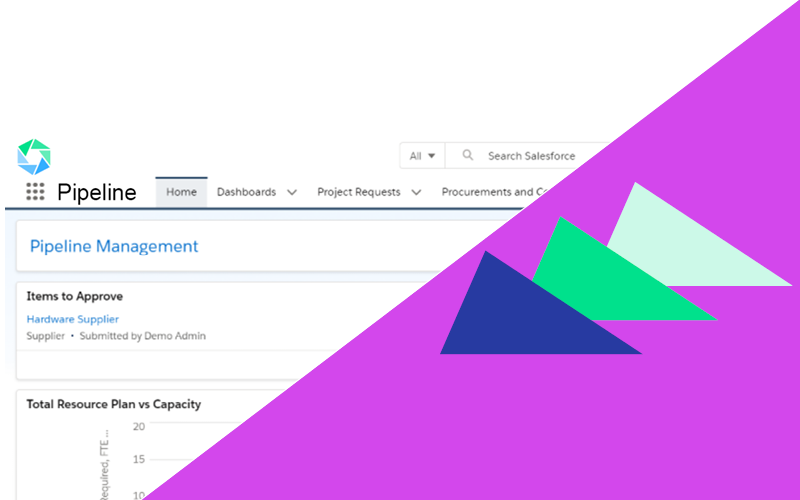 Our Pipeline App empowers your team to plan ahead and forecast for upcoming procurement activities.
 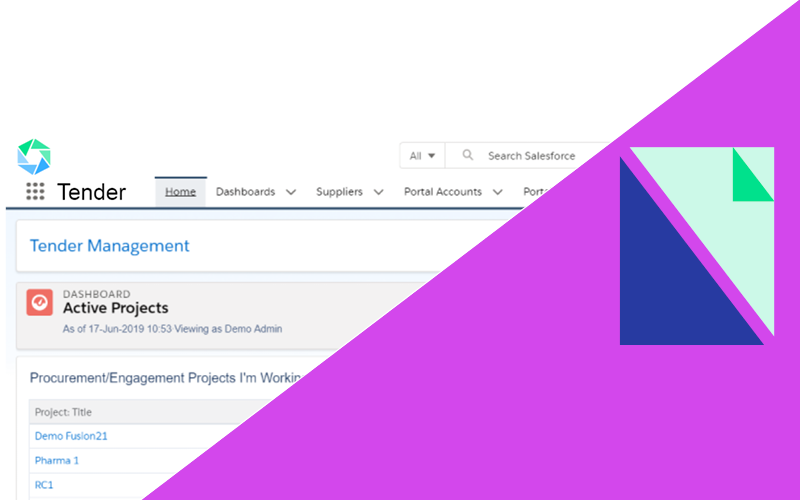 The Tender App allows your team to visualise all sourcing activities within your Atamis platform, from issuing tenders to receiving bids.
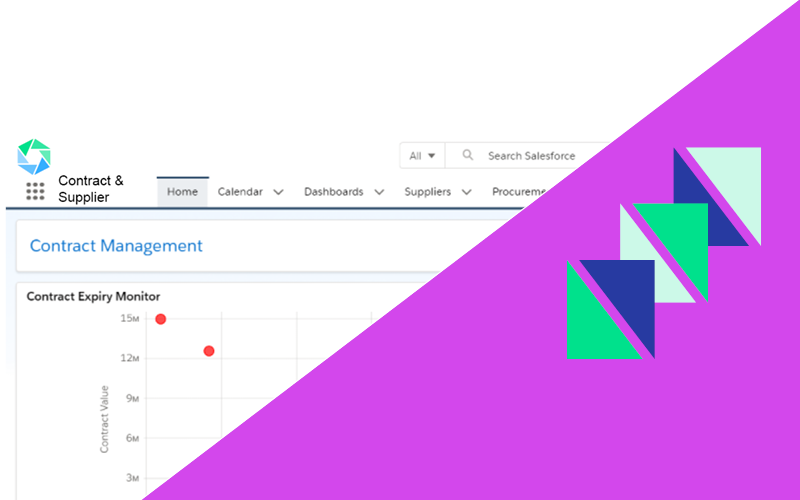 Our Contract & Supplier App puts your team in firm control of your key supplier relationships and provides a central repository for all contracts.
 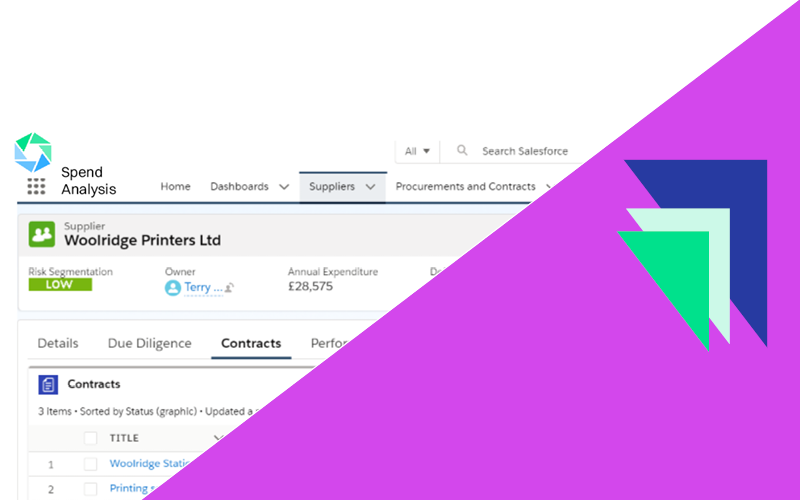 Our Enhancers ensure your solution is tailored to your needs. Pick and choose additional functionality that fits your requirements.

When procurement professionals talk about building stronger, more efficient supply chains, one concept appears again and again: supplier relationship management, meaning the structured way an organisation manages its interactions with suppliers to deliver maximum value.
Supplier relationship management (SRM) goes beyond negotiating contracts or chasing the lowest price. It’s about developing collaborative, strategic partnerships that benefit both sides. Done well, SRM can reduce costs, drive innovation, improve service quality, and mitigate risks, all while ensuring suppliers feel valued and motivated to deliver their best.
In this guide, we explain what SRM is, the core principles behind it, why it matters in modern procurement, common challenges, proven best practices, and how technology, including tools from Atamis, can turn supplier relationships into a real competitive advantage.
What is supplier relationship management?
Supplier relationship management is a systematic approach to managing an organisation’s interactions with its suppliers to maximise value and minimise risk. Instead of viewing suppliers purely as vendors, SRM treats them as partners in achieving business objectives.
SRM aims to:
- Build trust and collaboration so suppliers are willing to share ideas and work proactively.
- Ensure quality and cost-effectiveness without sacrificing innovation.
- Mitigate supply chain risks by maintaining transparency and preparedness.
Core principles that underpin SRM:
- Mutual value creation: Both buyer and supplier benefit from the relationship.
- Transparency and open communication: Sharing information freely to improve decision-making.
- Long-term partnership mindset: Focusing on sustainable performance over quick wins.
By embedding these principles, you can turn transactional supplier relationships into strategic ones, unlocking opportunities for innovation, efficiency, and resilience.
Why SRM matters now more than ever
Procurement has evolved dramatically over the years. The traditional approach – buying based on price and delivery alone – is no longer enough. Today’s market demands strategic supplier partnerships that contribute to organisational goals.
Effective SRM supports:
- Cost control and performance improvement by holding suppliers accountable against KPIs.
- Supplier-driven innovation, where suppliers bring new ideas, technologies, and processes to the table.
- Supply chain resilience, ensuring continuity during disruptions, and sustainability, aligning procurement with environmental and social goals.
Poor SRM can result in missed KPIs, inconsistent quality, delivery delays, and reputational damage if suppliers feel undervalued.
At Atamis, SRM is supported by tools for secure communications, performance monitoring, and proactive risk tracking, allowing procurement teams to both measure and enhance supplier value throughout the contract lifecycle.
Common SRM challenges for procurement teams
- Even with the best intentions, many organisations struggle to implement SRM effectively. Common obstacles include:
- Supplier performance inconsistencies and difficulty enforcing accountability without damaging relationships.
- Communication breakdowns caused by siloed data and fragmented systems.
- Balancing cost pressures with the investment of time and resources in relationship-building.
- Supplier dissatisfaction, which can reduce collaboration and lead to fewer creative solutions.
- Global market volatility, from geopolitical shifts to inflation, that puts additional strain on supplier partnerships.
Recognising these challenges is the first step in building a strategy that addresses them directly.
Best practices for effective SRM
The most successful procurement teams treat SRM as a structured, ongoing process, supported by clear frameworks, measurable goals, and the right technology.
1. Centralise supplier data
Maintain a single source of truth for supplier profiles, contracts, performance records, and communications to improve transparency and reduce duplication of effort.
2. Conduct regular performance reviews
Tie reviews to agreed KPIs and SLAs, using objective data to track results and address issues early.
3. Use structured onboarding and assurance processes
From the first interaction, align expectations through due diligence, compliance checks, and clear documentation.
4. Encourage collaboration
Share forecasts, involve suppliers in early project stages, and host innovation workshops to co-create solutions.
5. Segment suppliers strategically
Use tools like the Kraljic Matrix to prioritise relationship investment for high-value or high-risk suppliers.
6. Prioritise transparent communication
Leverage secure messaging, shared portals, and regular check-ins to keep dialogue open and productive.
7. Recognise and reward innovation
Celebrate suppliers who deliver creative solutions, share cost-saving ideas, or exceed sustainability goals.
How procurement software improves SRM
Modern e-procurement platforms make SRM more efficient, measurable, and collaborative. By automating routine tasks and centralising data, teams can focus on strategic supplier engagement.
Atamis offers specific tools to strengthen SRM:
- Contract & Supplier App – centralises contract records, monitors supplier performance, tracks risks, and facilitates secure communications.
- Supplier Portal – enables real-time interaction, document exchange, and bid submission in one place.
- Supplier Assurance Enhancer – automates supplier compliance checks, reducing manual effort while ensuring ongoing adherence to standards.
- SLA Monitoring Enhancer – tracks service performance against agreed levels, triggering alerts for missed targets.
These tools offer various benefits, including:
- Reduced administrative burden and faster processes.
- Data-driven decisions from real-time performance insights.
- Proactive risk management and issue resolution.
- Stronger, more transparent supplier relationships.
With integrated tools, procurement teams can manage the full supplier lifecycle, from onboarding to renewal, within a single, secure system.
The future of SRM in procurement
Looking ahead, SRM will continue to expand beyond cost and compliance.
- Sustainability and ethical sourcing will become core criteria in supplier selection and performance measurement.
- AI and predictive analytics will allow teams to forecast supplier performance and anticipate risks before they arise.
- Co-innovation and agility will define the most valuable supplier partnerships, with both sides adapting quickly to market changes.
Platforms like Atamis are already evolving to meet these demands, offering deeper analytics, more automation, and enhanced collaboration tools to keep supplier relationships strong and future-ready.
Key takeaways
Strong supplier relationship management delivers cost efficiency, fosters innovation, and builds resilience into the supply chain. By combining clear principles, best practices, and powerful procurement software, organisations can turn supplier partnerships into a genuine competitive advantage.
For procurement professionals, a partnership-driven, technology-enabled approach forms the foundation for long-term, sustainable success. It ensures supplier relationships remain a source of value, growth and stability well into the future.
If you’re interested in seeing how Atamis can help you strengthen supplier relationships and improve procurement performance, request a demo today.

Ana Maria Grosu is a Product Optimisation Specialist at Atamis. She works at the intersection of procurement technology, product development and client requirements to optimise the Atamis solution for real-world procurement environments. Her role involves supporting product developments and ensuring new functionality is communicated in an accessible way.