
 Atamis’ end-to-end solution is built to target your specific pain points and drive efficiencies.
 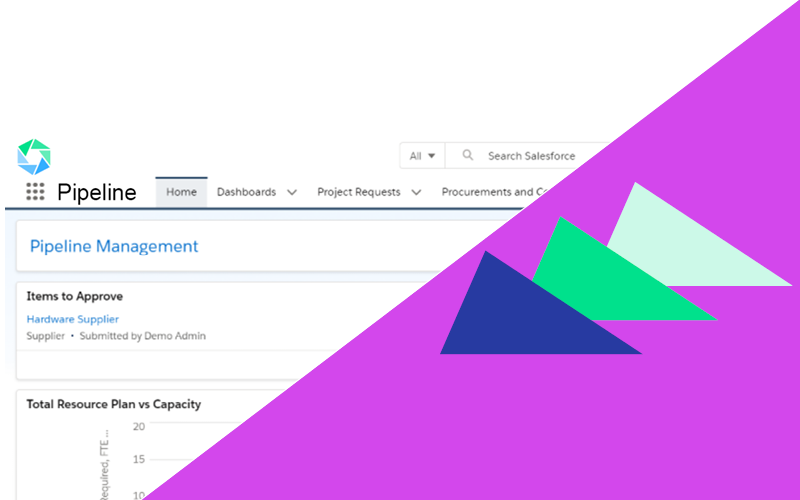 Our Pipeline App empowers your team to plan ahead and forecast for upcoming procurement activities.
 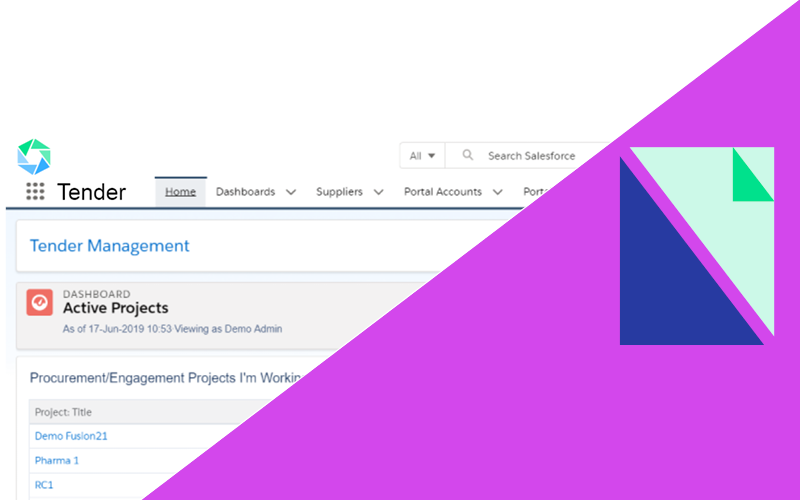 The Tender App allows your team to visualise all sourcing activities within your Atamis platform, from issuing tenders to receiving bids.
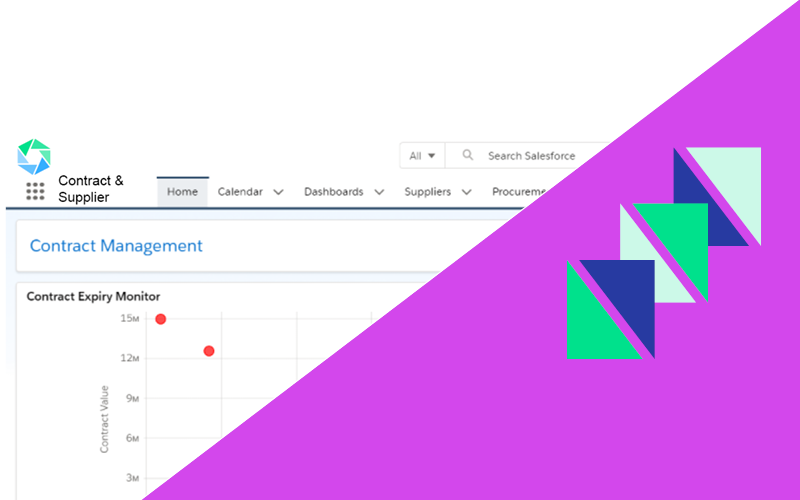 Our Contract & Supplier App puts your team in firm control of your key supplier relationships and provides a central repository for all contracts.
 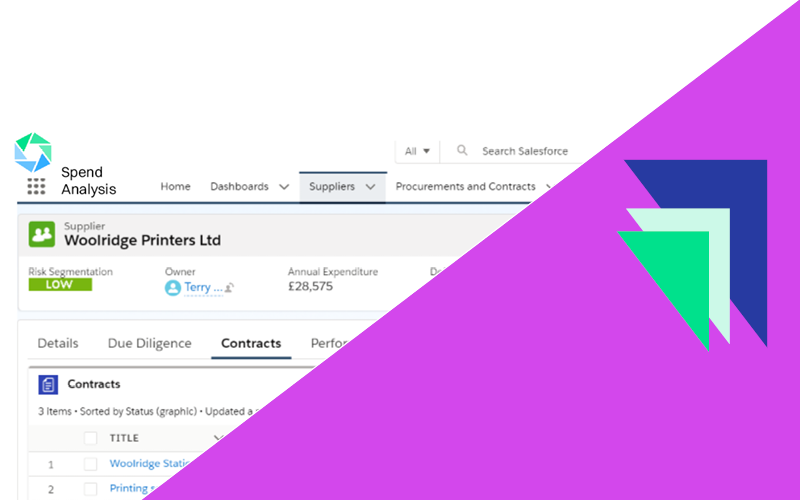 Our Enhancers ensure your solution is tailored to your needs. Pick and choose additional functionality that fits your requirements.
Procurement in the UK has evolved. The modern procurement professional is no longer just a buyer, they’re a strategist, a relationship builder and a value creator. And with the rise of digital tools such as procurement automation software, teams finally can leave low-value admin behind and focus on what really matters.
The Hidden Cost of Manual Procurement Work
Despite this evolution, many procurement teams still spend a significant proportion of their time on manual, repetitive tasks that add little strategic value.
From chasing approvals to managing spreadsheets, these time-consuming processes not only sap productivity but also increase the risk of errors and compliance breaches.
Modern procurement software solutions like Atamis, allow procurement teams to automate repetitive tasks, streamline workflows and focus on strategic priorities.
We decided to put together a list of the 6 manual tasks your procurement team should be able to say goodbye to forever, and how automation can transform these activities into seamless, value-adding processes.
1. Chasing Approvals
One of the most common time drains in procurement is chasing internal approvals. Traditionally, procurement teams spend hours emailing approvers, following up on overdue requests and tracking approvals in spreadsheets.
Manual approvals are slow, prone to errors and create bottlenecks that can delay critical purchases.
The Solution
Modern eprocurement software like Atamis automates approval workflows. Procurement teams can set configurable approval hierarchies, receive real-time notifications and enforce rules based on spend thresholds. Approvers can review and sign off requests in seconds, from anywhere.
By automating approvals, teams reduce delays, improve compliance and free up valuable time for strategic sourcing.
2. Managing Spreadsheets for Supplier Data
Many procurement teams still rely on spreadsheets to track supplier information, contracts and performance. While spreadsheets are flexible, they are also prone to errors, difficult to update and nearly impossible to scale across multiple categories and regions.
Maintaining supplier data manually can result in inconsistent records, outdated contact details and missed renewal alerts.
The Solution
Supplier management tools within procurement software like Atamis centralise supplier information, providing a single source of truth. Integrated SRM software can track supplier performance metrics, compliance data and contract obligations automatically, eliminating spreadsheet chaos.
Centralising supplier data ensures accuracy, enhances collaboration and supports strategic supplier relationship management.
3. Tracking Contract Expiry and Renewals
Manual contract tracking is a major source of risk for procurement teams. Using calendars, spreadsheets or shared drives to monitor renewal dates, milestone obligations and expiry deadlines is time-intensive and error-prone. Missed renewals can result in service disruptions, penalty fees or even non-compliance.
The Solution
Contract management software like Atamis centralises all contracts in a searchable repository and automatically tracks key dates. Automated alerts notify procurement teams of upcoming renewals, obligations and deadlines.
This automation ensures no contract slips through the cracks and gives teams the time to focus on negotiation and value optimisation rather than firefighting.
4. Manual Supplier Onboarding
Onboarding new suppliers often involves a series of repetitive, manual steps: collecting documentation, verifying credentials, setting up profiles in multiple systems and sending welcome emails. For high-volume categories, this can be a full-time task for procurement staff.
The Solution
Modern procurement software like Atamis streamlines supplier onboarding. Suppliers can submit required documentation through a self-service portal, which automatically validates information and triggers internal approval workflows.
Automated onboarding ensures compliance, reduces administrative effort, and allows procurement teams to focus on supplier collaboration and relationship management.
5. Generating Reports
Producing reports manually is time-consuming and often involves pulling data from multiple systems and reconciling it in spreadsheets. This limits visibility, slows decision-making and can result in outdated or inaccurate insights.
The Solution
The right procurement software provides real-time dashboards and automated reporting. Teams can generate reports on spend analysis, supplier performance, risk exposure and contract compliance at the click of a button.
This not only saves time but also provides procurement leaders with actionable insights to drive strategic sourcing decisions.
6. Monitoring Supplier Performance Manually
Monitoring supplier performance manually, through emails, calls or spreadsheets is inefficient and reactive. It’s difficult to track KPIs consistently, analyse trends over time or identify suppliers who are underperforming before it affects operations.
The Solution
Integrated SRM software tracks supplier performance metrics automatically, from on-time delivery rates to quality scores and compliance checks. Alerts can be configured for underperformance, enabling proactive supplier management.
This transforms supplier oversight from a reactive task into a strategic advantage, strengthening supplier relationships and reducing risk.
The Strategic Benefits of Eliminating Manual Tasks
Eliminating these nine manual tasks doesn’t just save time, it transforms procurement into a strategic, value-driven function. Here’s how:
1. Increased Efficiency
Automation reduces repetitive work, enabling procurement professionals to focus on high-value activities such as supplier collaboration, category strategy and negotiation.
2. Reduced Errors
Manual processes are prone to mistakes, from data entry errors to missed renewals. Automation ensures data accuracy and consistency across the procurement lifecycle.
3. Improved Compliance
Automated workflows, alerts and reporting enhance compliance with both internal policies and external regulations, reducing risk exposure.
4. Enhanced Supplier Relationships
By removing administrative burdens, procurement teams have more time to engage with suppliers strategically, fostering innovation, collaboration and stronger partnerships.
5. Data-Driven Decision Making
Centralised, real-time data provides actionable insights into spend, supplier performance, risk and compliance, enabling smarter decisions and more effective negotiations.
Choosing the Right Procurement Technology
Modern UK procurement teams have access to a range of tools to automate these tasks:
- eProcurement Software: Streamlines requisitioning, approvals and purchase orders, reducing manual effort and improving visibility.
- Contract Management Software: Centralises contracts, tracks obligations and automates renewals and alerts.
- Supplier Risk Software: Continuously monitors supplier risk and compliance, providing early warning of potential disruptions.
- SRM Software: Tracks supplier performance, KPIs and collaboration initiatives, turning supplier relationships into a strategic advantage.
Selecting a modular, integrated source-to-contract platform allows organisations to automate administrative tasks while maintaining flexibility to scale and adapt.
Implementing Automation Successfully
To maximise the benefits of automation, procurement leaders should:
- Map Existing Processes: Identify repetitive, manual tasks across sourcing, contract management and supplier management.
- Prioritise Automation Opportunities: Start with high-volume, high-risk or high-value tasks that offer the greatest return.
- Choose Integrated Software: Select tools that connect procurement, contract and supplier management processes seamlessly.
- Train Teams Effectively: Ensure staff understand how to use new tools to maximise efficiency and maintain governance.
- Monitor and Optimise: Use data and analytics to continuously improve automated processes, ensuring long-term value.
Conclusion
Manual processes in procurement are more than just inefficient. They limit strategic impact, increase risk and distract teams from value creation. From chasing approvals to tracking contracts and monitoring supplier performance, eliminating these six manual tasks can make life much easier for your procurement team, freeing them up to focus on driving value through innovation and strategy.
Modern procurement automation software like Atamis, including contract management and supplier relationship management tools, enables procurement teams to streamline these processes, reduce errors and focus on strategic priorities.
By eliminating manual tasks, UK procurement teams can transform their function into a strategic, data-driven and value-focused engine, creating stronger supplier relationships, improving compliance and delivering measurable business outcomes.
Ready to see how procurement automation can transform your organisation?
Speak to Atamis today to discover how the right tools can eliminate manual work and unlock strategic value.
Looking to automate manual tasks and empower your team to drive value?
Speak to our team about your tailored Atamis Source-to-Contract solution today.
Get a Demo

Max is a Product Analyst at Atamis, working closely with procurement professionals, technology teams and product stakeholders to shape the development of procurement technology solutions. In a product ownership capacity, he translates procurement requirements and user needs into clear product requirements, helping ensure that technology supports practical, efficient and well-governed procurement processes. His work spans product discovery, requirements analysis, process design, prioritisation and continuous product improvement across the source-to-contract procurement lifecycle. Through his work at Atamis, Max has developed practical expertise in procurement technology, source-to-contract processes, digital procurement transformation and the application of technology to modern procurement operations.