
 Atamis’ end-to-end solution is built to target your specific pain points and drive efficiencies.
 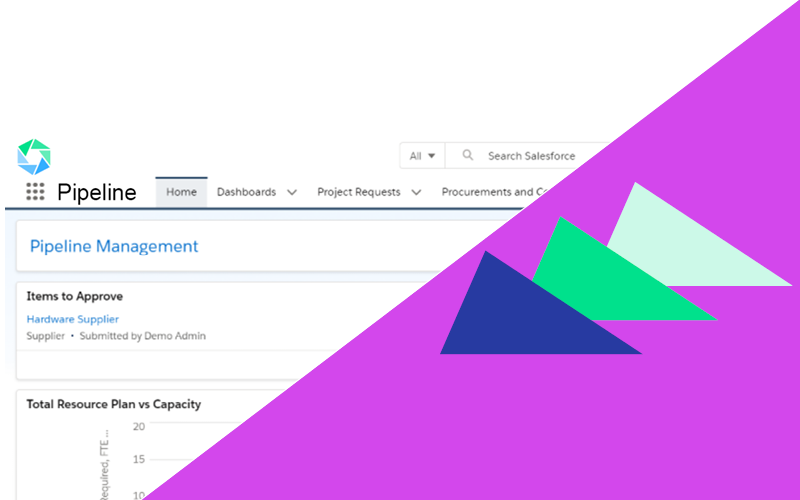 Our Pipeline App empowers your team to plan ahead and forecast for upcoming procurement activities.
 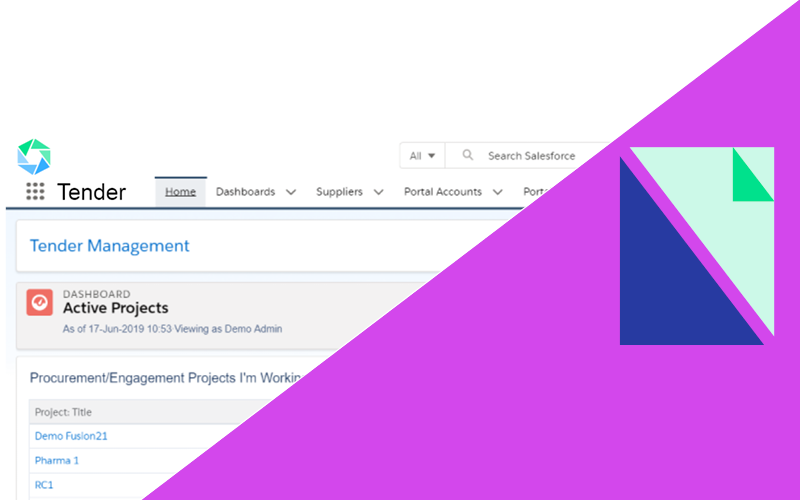 The Tender App allows your team to visualise all sourcing activities within your Atamis platform, from issuing tenders to receiving bids.
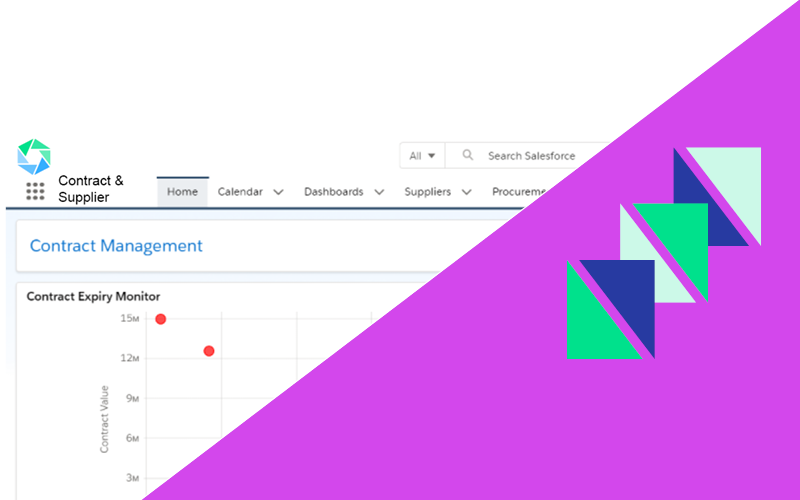 Our Contract & Supplier App puts your team in firm control of your key supplier relationships and provides a central repository for all contracts.
 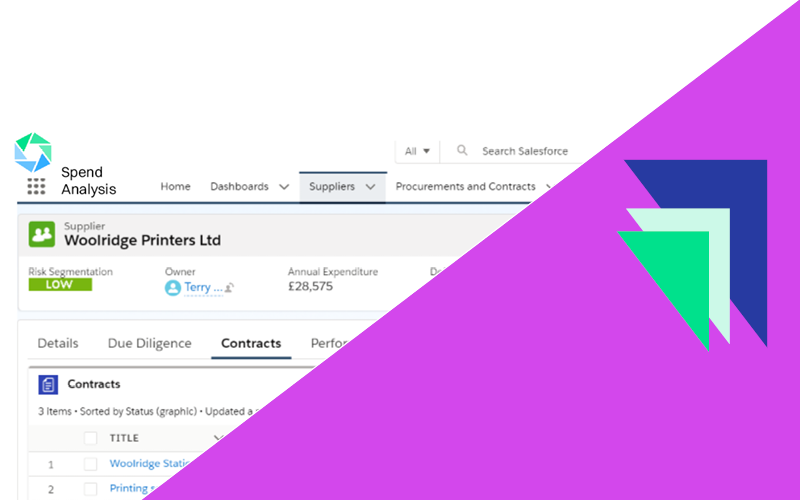 Our Enhancers ensure your solution is tailored to your needs. Pick and choose additional functionality that fits your requirements.

A practical guide to public procurement regulations, PPN 002 and the Procurement Act 2023 for public sector buyers and suppliers.
From 1 October 2025 the way public authorities in the UK procure goods, services and works entered another important phase of reform under evolving public procurement regulations.
At the heart of this change lies Procurement Policy Note 002 (PPN 002), which updates the Social Value Model (SVM) introduced in 2020 and aligns directly with the Procurement Act 2023 and the new National Procurement Policy Statement (NPPS).
Public procurement teams have seen many significant changes coming down the pipeline over the last few years but this one demands close attention.
For public-sector procurement teams and suppliers alike, the implications are clear: social value is no longer a nice-to-have; it is central to decision-making within modern public procurement regulations.
Why the change matters
The Procurement Act 2023 is a fundamental reform in the UK public procurement landscape. Among its provisions, it creates a framework that emphasises that contracting authorities must have regard to the National Procurement Policy Statement when conducting procurements.
The NPPS articulates the government’s strategic priorities and missions such as economic growth, sustainability and social value.
In parallel, PPN 002 updates the Social Value Model so that contracting authorities must select from a “menu” of social value outcomes and embed them within procurement documentation.
The transition period (from 24 February 2025) is over and from 1 October 2025 the updated SVM becomes mandatory for central Government “in-scope” organisations.
What does that mean in practice?
It marks a decisive shift away from procurement being viewed purely through a cost-driven lens, towards thinking of contracts as levers for delivering broader societal outcomes. That shift has profound significance for public sector buyers, suppliers and software providers alike.
Key changes you must know
1. Minimum weighting for social value
Under the updated model, social value must carry a minimum weighting of 10% in all public sector tenders where social value is relevant. Authorities may apply a higher weighting if relevant and proportionate, but the baseline is clear.
2. Social value must be scored and evaluated
Social value is no longer about broad rhetoric or general statements of intent. PPN 002 mandates that social value must be a scored and evaluated criterion, linked to measurable outcomes via the Social Value Model’s award criteria, sub-criteria and standard reporting metrics.
3. The Social Value Model’s mechanics
The model works in three steps:
- Select an outcome from the model that is relevant to the subject-matter of the contract and is proportionate and non-discriminatory.
- Insert the model social value question into the tender documentation, refined to suit market conditions.
- Insert the relevant model award criteria and sub-criteria associated with that outcome.
4. Full lifecycle approach
The requirement covers the whole commercial lifecycle: from planning, market engagement, sourcing strategy through to contract award, implementation and ongoing contract management/monitoring of social value deliverables.
5. The old model is replaced
PPN 002 replaces Procurement Policy Note 06/20 (PPN 06/20) for procurements commencing on or after 24 February 2025.
What does this mean for buyers and suppliers in the public sector?
Public Sector Procurement Teams
For public-sector procurement teams (buyers):
- You must embed social value thinking from the business-case and pipeline stage (not just at award). The “golden thread” from policy priorities through to contract delivery must be traceable.
- Preliminary market engagement must include discussion of social value outcomes so that suppliers know what is expected and the market’s capacity to deliver is understood.
- Documentation must ensure that social value requirements are over and above the core deliverables of the contract (i.e., you cannot treat the ‘core service’ as the social value activity).
- Contract management must include measurement, monitoring and reporting of social value KPIs (or performance indicators) into the life of the contract.
Suppliers Bidding for Public Contracts
For suppliers bidding for public contracts (and those investing in public sector software, frameworks or services):
- You must view social value commitments as central to the bid. They must be specific, measurable, time-bound and supported by evidence.
- Generic statements about “we will support local employment” are not sufficient, you should be able to demonstrate how you will deliver the selected outcome, apply the award criteria and be held accountable post-award.
- Your supplier/vendor management, delivery model and contract-management systems must enable tracking and reporting of social value deliverables, this matters if you are delivering a contract for a public authority that will use a public procurement software solution that supports social value performance.
- In competitive procurements where social value is scored (minimum 10% weighting), high quality social value responses will increasingly distinguish your bid.
How companies can prepare now
Whether you’re a public-sector buyer preparing for upcoming tenders or a supplier or software provider positioning for the public market, here are practical steps:
1. Audit your current procurement documentation and processes
Review your tender templates, contract-award documentation, evaluation criteria and contract-management dashboards to ensure that social value is embedded as required by the Social Value Model in PPN 002. Check that it will be scored, has measurable metrics and is over and above core deliverables.
2. Define the right social value outcomes
Use the menu of outcomes in the Social Value Model to select the most relevant to your organisation or contract.
For example, “Fair work” and “Skills for growth” under Mission 1; or “Sustainable procurement practices” under the clean energy mission.
Ensure the outcome you pick is proportionate, non-discriminatory and aligned to the contract’s subject-matter.
3. Embed measurable metrics and reporting frameworks
Make sure that your social value commitments are specific, measurable and time-bound. Your procurement software partner platform should allow tracking of standard reporting metrics or KPIs linked to the chosen outcome(s).
4. Engage the market meaningfully
Early market engagement is no longer optional, buyers must ensure suppliers understand what social value outcomes are required and the market has capacity to deliver.
Suppliers should use that engagement to tailor their offering and build credible social value propositions.
5. Ensure your contract-management phase supports social value delivery
The social value commitment cannot end at contract award. Contract managers must monitor performance, report against the agreed metrics and remediate where necessary.
The policy expects that social value deliverables are managed through the lifecycle.
Why choosing the right software partner matters
The wider public procurement reform, means that public-sector buyers are no longer looking simply for contract storage or basic tender-alert systems.
They need purpose-built public procurement software, often modular and configurable, that can adapt to evolving regulatory requirements, support social value scoring, manage supplier performance and integrate seamlessly with the broader source-to-contract lifecycle.
Key Considerations When Looking for a Procurement Partner
For those organisations looking for a procurement software partner to support them in navigating through the ever-changing landscape of UK public procurement, there are several considerations:
- Does the platform embed the new Social Value Model and allow you to select relevant outcomes, apply award criteria and sub-criteria and enable scoring and evaluation?
- Does it provide dashboards and reporting for social value commitments, KPIs, performance monitoring and contract-lifecycle tracking?
- Is the system flexible enough to be adapted to evolving procurement regulation, for example to reflect changes in the NPPS, or subsequent updates to policy or Notices?
- Is the provider a thought leader in the public-sector procurement reform space. Do they understand the particularities and nuances around the Procurement Act 2023 and actively support buyers and suppliers in navigating these changes?
Choosing a software partner that ticks these boxes lets you align your procurement practice with the reform agenda rather than lag behind it.
A word to suppliers bidding for public sector work
Suppliers often ask “what’s changed?” in terms of how they should approach tenders.
The short answer is: everything and yet nothing.
In many ways the fundamentals haven’t changed. You still need a compelling value proposition, you still need to deliver the scope of works or services to specification, you still need to demonstrate price competitiveness and quality. But what has changed, and what will increasingly differentiate winning bids, is how you articulate and deliver social value.
The Importance of Following the Social Value Model
Under PPN 002 and the updated Social Value Model:
- Your social value commitments must be over and above the core scope (not simply embedded in your service delivery as if it were normal practice). Think: “additional to business-as-usual”.
- You must respond to the model question and award criteria in the tender; you must show how you will deliver against the selected outcome and criteria.
- You must be ready to deliver, monitor and report against standard metrics, the contracting authority will expect this. Generic statements won’t score.
- You must treat social value throughout the contract lifecycle: not just as part of the bid, but with plans for delivery and measurement post-award.
- Suppliers who demonstrate maturity in social value delivery (and can show evidence from previous contracts) will have a competitive edge, especially as social value moves from “nice to have” to “core to award”.
For those bidding to contracts where the buyer uses modern public procurement software, the kind that supports evaluation of social value, being able to show how you plug into that system (how you will deliver data, how you will integrate with reporting requirements) is an asset.
The case for action
If you’re working in UK public-sector procurement, the time to act is now.
The changes introduced by the Procurement Act 2023, the NPPS and PPN 002 are reshaping how public procurement regulations operate in practice.
Organisations that embed social value meaningfully, adopt measurable outcomes and invest in the right procurement technology will be best placed to remain compliant, competitive and future-ready.
Navigate procurement reform with confidence
Atamis supports public-sector buyers and suppliers with modular, UK-based procurement software designed to meet the demands of evolving public procurement regulations.
If you’d like to understand how your organisation can prepare for October 2025, book a demo with the Atamis team today.
Looking for a procurement software partner to support your team through TPP legislative reform.
Speak to our team today.
Get a Demo

Gareth Burch is Director of Product at Atamis, where he leads product strategy for a source-to-contract procurement technology platform supporting major UK public sector organisations. He combines senior procurement leadership with deep expertise in procurement technology, product strategy, AI-enabled workflows and the transformation of procurement operating models.
Previously Head of Group Procurement at FTSE-listed financial services organisation Admiral Group, Gareth built and led a £350m procurement function, delivering more than £100m in commercial value and leading technology and strategic sourcing programmes. His earlier career spans procurement consulting and building procurement capabilities within high-growth technology businesses, giving him extensive practical experience across strategic sourcing, eProcurement, contract management, supplier governance and procurement transformation. He writes about procurement technology, public sector procurement and product innovation.