
 Atamis’ end-to-end solution is built to target your specific pain points and drive efficiencies.
 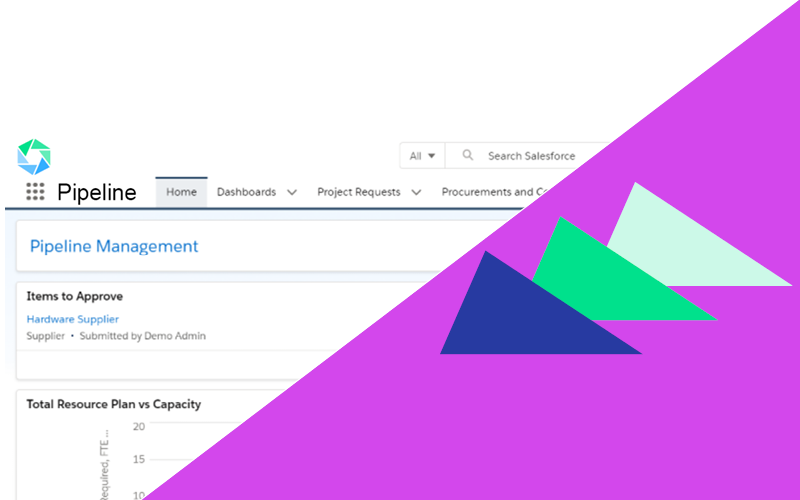 Our Pipeline App empowers your team to plan ahead and forecast for upcoming procurement activities.
 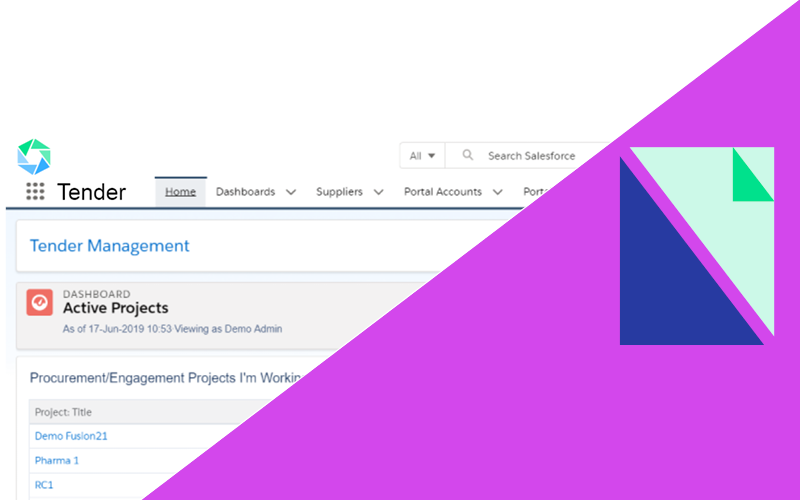 The Tender App allows your team to visualise all sourcing activities within your Atamis platform, from issuing tenders to receiving bids.
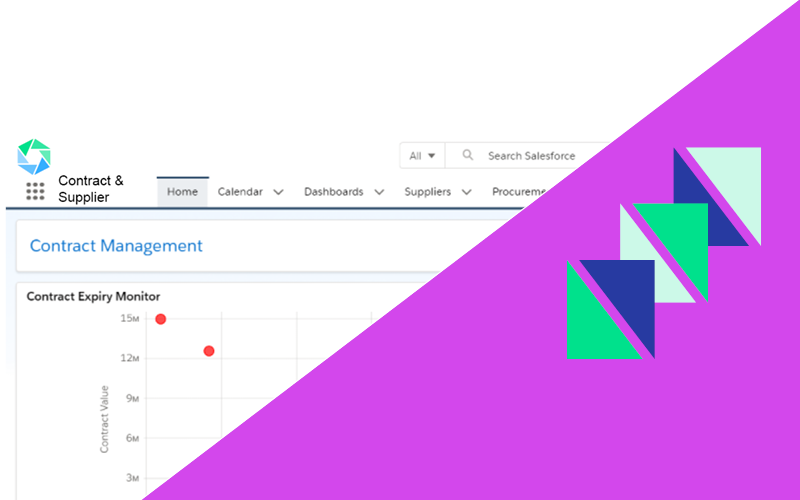 Our Contract & Supplier App puts your team in firm control of your key supplier relationships and provides a central repository for all contracts.
 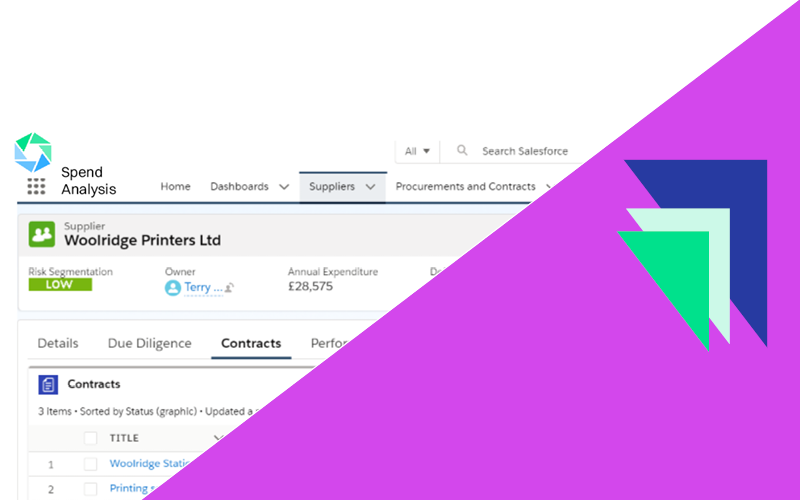 Our Enhancers ensure your solution is tailored to your needs. Pick and choose additional functionality that fits your requirements.
Procurement software has evolved rapidly, but its core purpose remains the same: to help procurement teams operate with confidence, control and strategic impact.
This article strips away the buzzwords to explore what procurement software should actually do, from improving visibility and compliance to enabling better supplier relationships and freeing teams to focus on higher-value work.
Using modern source-to-contract platforms like Atamis as an example, we look at how the right technology foundation supports smarter, more resilient procurement.
What Does Procurement Software Do For Your Organisation?
Over the last ten years, procurement software has evolved at an incredible pace. There’s no shortage of tools, modules and platforms promising to “transform” procurement.
But amid the buzzwords and technology promises, it’s worth asking a simple question: what does procurement software do when it’s actually delivering value?
Because whether you’re just starting to digitise your processes or replacing outdated systems, it’s easy to lose sight of what really matters: helping procurement teams deliver value, reduce risk and operate strategically, not just efficiently.
So, we thought we’d strip things back to basics and look at what procurement software should really achieve for your organisation and how modern source-to-contract solutions like Atamis deliver on that promise.
1. Bring visibility and control across the source-to-contract process
At its heart, procurement software should give you a single, unified view of your sourcing, supplier and contract activity.
Too often, teams are still juggling spreadsheets, email trails and shared drives each holding fragments of information about supplier performance, contract obligations or tender progress. This leads to duplication, blind spots and risk.
Connecting the full procurement lifecycle
The right source-to-contract software solution breaks down these silos by connecting every stage of the procurement lifecycle from supplier onboarding and sourcing events, through evaluation, approval and contracting.
What that visibility looks like in practice
That means:
- Every document, decision and communication is traceable.
- Every stakeholder has a clear view of progress.
- Every audit trail is instantly available when you need it.
Visibility that builds confidence, not just compliance
In other words, procurement gains the visibility and control it’s often promised but rarely achieves without the right technology foundation.
And that visibility isn’t just about compliance it’s about confidence. Confidence that suppliers are approved, contracts are current and spend is under control.
2. Drive standardisation without losing flexibility
Procurement processes can vary widely between categories, business units or regions. That’s part of the challenge of procurement: it must balance governance with agility.
Modern procurement software like Atamis makes that balance easier to manage by allowing teams to:
- Standardise workflows where consistency is essential (e.g. approvals, compliance checks, due diligence).
- Customise processes where flexibility adds value (e.g. complex sourcing events, framework agreements or innovation projects).
How does this help?
This balance ensures that teams follow a clear, compliant route-to-contract while retaining the freedom to adapt based on context.
The best platforms allow you to configure your workflows easily so procurement can evolve its processes as the business grows.
3. Make supplier management a proactive, not reactive, discipline
Procurement’s remit has expanded far beyond cost control. Today, it’s about managing supplier performance, mitigating risk and enabling innovation.
Yet too many teams still rely on static spreadsheets or outdated supplier databases that tell them who they buy from, but not how those suppliers are performing.
Moving beyond static supplier records
Modern supplier management software like Atamis, particularly when integrated within a broader source-to-contract suite, changes that dynamic by giving procurement teams the tools to actively manage suppliers rather than simply record them.
What proactive supplier management enables
With the right technology in place, procurement teams can:
- Onboard suppliers efficiently, capturing essential compliance and ESG information upfront.
- Monitor key performance indicators (KPIs) and contract deliverables in real time.
- Automate reminders for renewals, certifications or insurance updates.
- Engage suppliers in continuous improvement conversations.
Where the real value is created
Instead of chasing paperwork or reacting to issues, procurement gains the tools to build stronger, data-driven supplier relationships.
That shift from reactive to proactive is where technology delivers real strategic value.
4. Simplify contract management: beyond storage
Ask most procurement professionals how they manage contracts and you’ll often hear the same answer: “We’ve got them saved on SharePoint somewhere.”
It’s a familiar scenario and a costly one. Without a centralised, searchable and structured contract management software solution, organisations are exposed to unnecessary risk.
The hidden risks of poor contract visibility
When contracts aren’t actively managed, teams face:
- Missed renewals and automatic rollovers.
- Unenforced terms or SLAs.
- Poor visibility of obligations and milestones.
What modern contract management should deliver
A modern contract management solution should go far beyond digital storage. It should:
- Automate alerts for key dates (renewals, expiries, reviews).
- Provide visibility into contract status across departments.
- Link contracts to suppliers, sourcing projects and performance data.
- Enable e-signature and version control.
Turning contracts into strategic assets
Crucially, it should help procurement turn contracts into living documents, sources of insight and accountability, not just archived PDFs.
By centralising contracts within a connected source-to-contract platform like Atamis, procurement can track performance against terms, flag risks early and report confidently to stakeholders.
5. Enable collaboration across stakeholders
Procurement doesn’t operate in isolation. Legal, finance and operations all have a role to play and too often, collaboration breaks down due to poor communication or disconnected tools.
Creating a single source of truth for everyone involved
Effective procurement software should act as the single source of truth for all stakeholders. That means:
- Approvers get notifications when their input is needed.
- Finance can see the cost and compliance implications of decisions.
- Legal can review and approve contracts easily.
- Business users can raise sourcing requests and track progress smoothly.
By creating shared visibility and accountability, procurement software like Atamis helps everyone work together without endless email chains or version confusion.
When collaboration improves, so does efficiency. And when efficiency improves, procurement gains more time to focus on strategic priorities.
6. Provide actionable insight: not just data
Procurement generates vast amounts of data but data alone doesn’t drive better decisions.
What teams really need are actionable insights: clear, accessible analytics that highlight risks, opportunities and trends.
Good source-to-contract software should include built-in dashboards and reporting tools that answer questions such as:
- Which suppliers present the highest risk exposure?
- How much spend is under contract and where are the gaps?
- Are our sourcing cycles getting faster or slower?
- Where can we consolidate suppliers or renegotiate terms?
By turning data into decisions, procurement software empowers teams to act strategically with facts, not intuition.
7. Strengthen compliance and risk management
Procurement plays a critical role in protecting organisations from reputational, financial and regulatory risk.
Whether it’s modern slavery compliance, ESG reporting, data security or financial due diligence, procurement needs systems that make it easy to demonstrate and document compliance.
Building compliance into everyday procurement workflows
Effective procurement software should support this by:
- Embedding risk assessments into onboarding workflows.
- Centralising supplier certifications and documentation.
- Tracking approvals and policy adherence.
- Providing audit-ready records of every action taken.
In regulated industries, or for public sector organisations, this capability isn’t optional, it’s essential.
And even in the private sector, where regulation may be lighter, the reputational damage from a supplier failure or non-compliance incident can be immense.
When compliance becomes part of daily workflows and not an afterthought, procurement gains both peace of mind and professional credibility.
8. Support ESG and responsible sourcing objectives
Environmental, Social and Governance (ESG) goals are now front and centre in most corporate strategies.
Procurement is often the driving force behind those commitments, helping organisations reduce carbon footprints, improve diversity and ensure ethical supply chains.
Making ESG measurable through procurement processes
Modern procurement software should make it easier to measure and manage ESG performance by:
- Capturing sustainability and diversity data during supplier onboarding.
- Enabling ongoing reporting on supplier ESG performance.
- Providing visibility into supply chain risk and carbon impact.
- Supporting supplier development and improvement programmes.
By embedding ESG considerations into daily processes, rather than treating them as standalone exercises, procurement software turns responsible sourcing into a measurable, manageable discipline.
9. Empower procurement teams to focus on strategic work
Perhaps the most important outcome of all: procurement software should free people from the admin that slows them down.
Automation of routine tasks like approvals, reminders, document collection, reporting etc allows teams to spend more time on strategic initiatives like supplier innovation, category strategy and stakeholder engagement.
It’s not about technology for technology’s sake. It’s about elevating procurement’s role.
When workflows are automated and information is centralised, procurement teams can finally do what they do best: collaborate, negotiate and deliver value.
10. Adapt to your organisation’s maturity and pace of change
Every organisation is on its own digital journey. Some are ready for an end-to-end source-to-contract platform from day one. Others prefer a modular approach, starting with contract management software or supplier onboarding tools and building out from there.
The best procurement software providers understand this. They offer flexible, modular solutions that evolve with you without forcing a costly or disruptive overhaul.
That adaptability is key. Because digital transformation isn’t a single project; it’s a continuous process of learning, refining and improving.
Procurement software should grow with your team, not hold you back.
Bringing it all together
So, what does procurement software do when it’s doing its job properly?
In short, it should:
- Give you control, visibility and confidence.
- Simplify complex processes while supporting flexibility.
- Turn data into insight and suppliers into partners.
- Support teams in reducing risk and driving compliance.
- Free your team to focus on delivering real strategic value.
If your current tools aren’t delivering on those fundamentals, it might be time to rethink what you need from your technology stack.
See what modern procurement software should really deliver
If you’re reassessing your procurement technology or exploring how a modern source-to-contract platform could support your goals, Atamis can help.
Book a demo to see how a flexible, configurable procurement solution can work for your organisation today and as you grow.
Looking to automate manual tasks and empower your team to drive value?
Speak to our team about your tailored Atamis Source-to-Contract solution today.
Get a Demo