 Atamis’ end-to-end solution is built to target your specific pain points and drive efficiencies.
 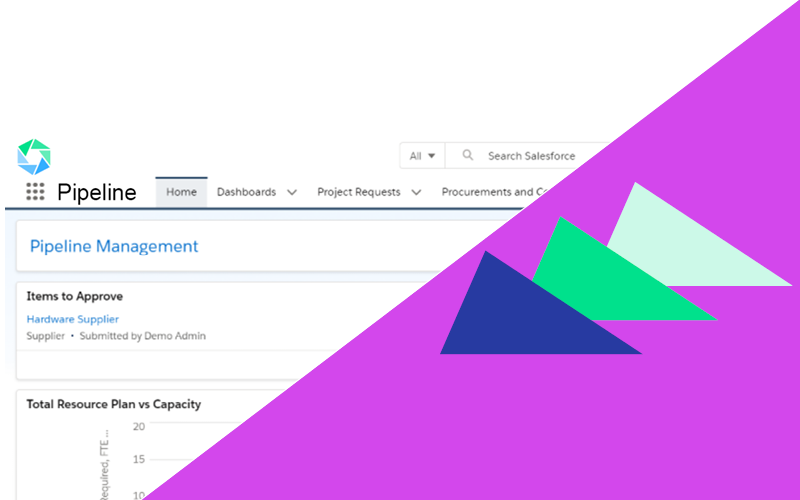 Our Pipeline App empowers your team to plan ahead and forecast for upcoming procurement activities.
 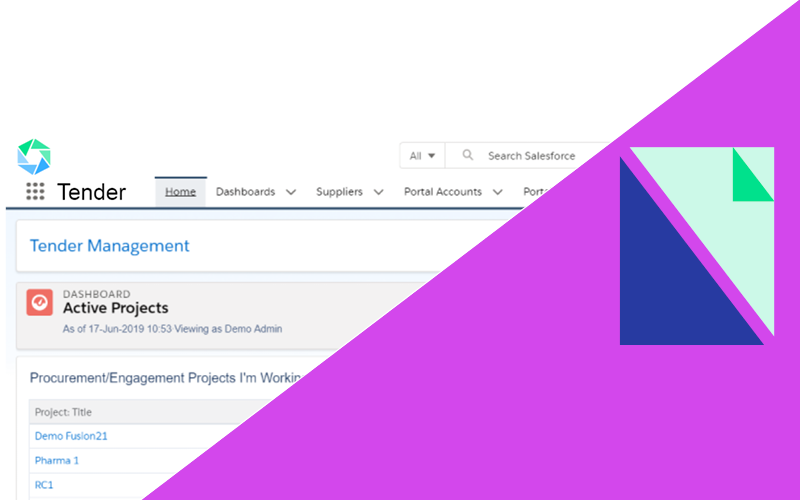 The Tender App allows your team to visualise all sourcing activities within your Atamis platform, from issuing tenders to receiving bids.
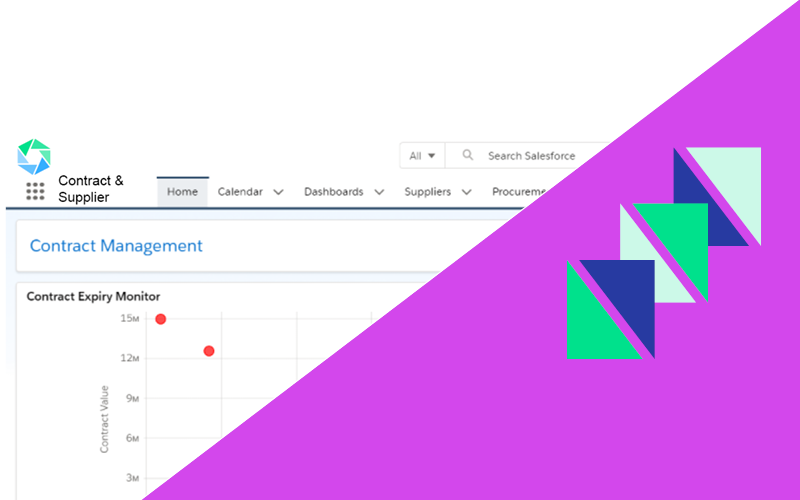 Our Contract & Supplier App puts your team in firm control of your key supplier relationships and provides a central repository for all contracts.
 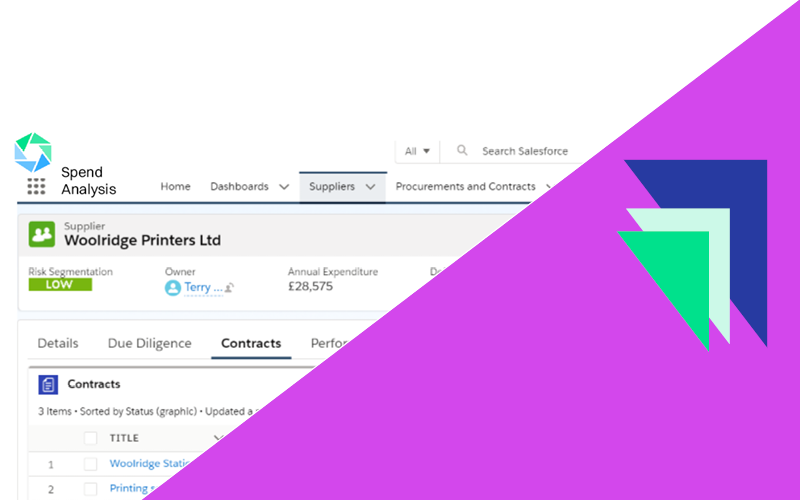 Our Enhancers ensure your solution is tailored to your needs. Pick and choose additional functionality that fits your requirements.
Procurement software has become the operational backbone for modern procurement teams supporting compliance, improving visibility, enabling strategic supplier relationships and giving organisations the control they need across the full source-to-contract lifecycle.
However, as procurement has evolved, so too have the expectations placed on procurement software. What worked five or ten years ago often isn’t fit for purpose today. Teams grow, supply chains get more complex, risk intensifies and organisations demand strategic insight rather than just transactional efficiency.
Eventually, every procurement function reaches a crossroads. The tools that once did the job start holding you back.
Recognising when you’ve hit that point is critical, because delaying a change doesn’t just reduce efficiency. It creates real financial exposure, hidden operational costs and compliance risk.
This guide will help you recognise the key signs that it’s time to move on, upgrade or replace your procurement software with a modern, integrated source-to-contract solution.
1. Your procurement processes are still heavily manual despite having software
Many organisations buy procurement software thinking it will “automate everything,” only to find they still rely on:
- Spreadsheets
- Email-based approvals
- Offline contract negotiations
- Manually updating supplier records
- Ad hoc risk assessments carried out in Word documents
If you recognise this pattern, the issue isn’t your team, it’s your tools.
Legacy procurement systems often digitise processes without automating them.
For example:
- Supplier risk scoring updates automatically
- Contract renewals and expiries trigger alerts and workflows
- Supplier onboarding is structured, consistent and compliant
- Business stakeholders submit procurement requests through guided intake forms
- KPI monitoring and performance dashboards update in real time
If you’re still copy-pasting data or chasing stakeholders manually, your current system is costing you more than it saves.
2. You lack visibility across the full supplier lifecycle
Procurement today is judged on more than savings.
You’re accountable for:
- Risk
- Resilience
- ESG
- Supplier performance
- Contract compliance
- Value delivery over time
But none of this is possible if your data is fragmented across multiple systems:
- Supplier onboarding stored in SharePoint
- Contract management in another tool
- Risk assessments in Excel
- Procurement requests via email
- Spend visibility in the finance system
This fragmentation creates one of the most common complaints we hear from procurement leaders:
“I can’t see, in one place, what’s happening with any given supplier.”
A modern source-to-contract procurement platform is designed to solve exactly this issue by connecting:
- Supplier onboarding
- Pre-qualification
- Risk checks
- Contract management
- Supplier performance
- Renewals
- SRM activity
- Spend insights
- Procurement intake
If it takes your team hours to piece together the story of a supplier or contract, it’s a clear sign your procurement software no longer meets your needs.
3. Risk management still feels reactive, not proactive
If your procurement function feels like it’s always responding to problems rather than anticipating them, your software may be the reason.
Tell-tale signs include:
- You rely on annual reviews for financial or compliance risk
- Expired insurance certificates or accreditations only surface during audits
- You find out about supplier issues only after they impact the business
- Risk scoring is subjective or inconsistent
- There’s no automated early warning system for KPI slippage
Modern procurement software integrates third-party data providers (like Dun & Bradstreet), continuously monitors risk indicators and automatically alerts the right people when something needs attention.
If your risk processes depend on someone “remembering to check” a spreadsheet, that’s not risk management, that’s risk exposure.
4. Stakeholders avoid using your system
This is one of the most overlooked warning signs.
Business stakeholders should want to use your procurement software because it makes their lives easier. But if they:
- Email you procurement requests instead of using the system
- Upload incomplete documentation
- Miss approval steps
- Ask you to “do it for them in the system”
- Complain the platform is confusing
– then your procurement software has become a barrier, not an enabler.
Modern systems are designed with user experience at the core:
- Smooth procurement intake
- Automated workflows
- Intuitive dashboards for contract owners
- Supplier portals that look and feel professional
- Clear status updates without chasing
- Role-based access and personalised views
If your system is creating friction, stakeholders will go around it and that undermines compliance, efficiency and governance.
5. Your contract management solution is just a storage repository
Contract management has matured significantly in the last decade.
What used to simply be “a place to store contracts” is now:
- A dynamic hub for managing obligations
- The nucleus of supplier relationships
- A critical risk mitigation tool
- A source of actionable commercial insight
- A workflow engine for renewals and amendments
If your current contract management tool:
- Only stores documents
- Offers no automated reminders
- Can’t link to suppliers or performance activity
- Can’t push workflows to stakeholders
- Still relies on you to manually track renewal dates
– then it’s no longer a contract management solution. It’s an expensive filing cabinet.
Procurement teams with modern contract management software operate with far more control:
- Automated renewal workflows
- Milestone tracking
- Obligation management
- Contract-linked risk scoring
- Supplier performance integrations
- Full audit trails
- Version management
- Negotiation dashboards
- Contract metadata reporting
If your contract repository isn’t improving performance or reducing risk, it’s time to review your options.
6. You can’t tailor workflows to your organisation’s maturity
Procurement is not a one-size-fits-all discipline.
Every organisation has its own:
- Risk appetite
- Governance structure
- Supply chain complexity
- Stakeholder expectations
- Procurement maturity
If your current software forces you into rigid templates and generic workflows, you’re limiting your function’s ability to adapt.
Modern procurement teams need the ability to:
- Configure approval workflows
- Adjust risk scoring models
- Tailor supplier onboarding requirements
- Build custom procurement intake logic
- Set category-specific KPIs
- Align processes with internal terminology
- Scale and mature in a modular way
If you find yourself saying:
“The system can’t do that.”
or
“We’ve had to design our process around the software.”
– then your procurement platform has become a constraint.
A modern source-to-contract solution should grow with you, not hold you back.
7. Reporting takes too long – or lacks the insight you need
Reporting is where procurement demonstrates value.
But if your reporting involves:
- Exporting CSVs
- Reconciling information from multiple systems
- Spending days preparing for quarterly reviews
– then you’ve outgrown your current tool.
With modern procurement software, reporting should be:
- Real-time
- Visual
- Customisable
- Automated
- Traceable back to source data
Dashboards should highlight:
- Supplier risk trends
- Category performance
- Contract exposure
- Expiring certifications
- Pipeline value
- Cycle times
- Savings realised vs forecast
- Stakeholder engagement metrics
If your team spends more time creating reports than analysing them, it’s time to modernise.
8. The cost of doing nothing is starting to show
Sometimes the pain isn’t obvious – until you quantify it:
- Hours spent chasing approvals
- Missed renewal opportunities
- Non-compliance penalties
- Supplier failures due to missed risk signals
- Duplication of suppliers and contracts
- Duplicate spend
- Performance issues affecting business outcomes
- Manual workarounds that become the “real process”
When you add these up, legacy procurement software doesn’t just slow you down, it increases cost and risk across the organisation.
Modernising to an integrated source-to-contract platform delivers benefits that compound quickly:
- Faster cycle times
- Better supplier performance
- Lower risk exposure
- Improved stakeholder adoption
- Higher compliance
- Reduced manual admin
- More strategic output from procurement teams
- Greater visibility for leadership
- A single source of truth for procurement and supply chain
- A scalable foundation for future capabilities
If your procurement function is spending more time firefighting than driving value, your software is holding you back.
Your procurement software should be an enabler, not a compromise
The most successful procurement teams operate with tools that empower them to:
- Work strategically
- See risk before it materialises
- Manage contracts proactively
- Strengthen supplier relationships
- Embed governance
- Support business stakeholders
- Make better commercial decisions
If your current procurement software can’t deliver these outcomes, it’s a strong indicator that it’s time to explore a more modern, integrated and configurable source-to-contract solution.
Upgrading isn’t just a technology decision, it’s a strategic investment in the resilience, competitiveness and operational excellence of your entire organisation.
Ready to talk about your tailored Atamis solution?
Speak to our team today about a source-to-contract platform that truly supports your team.
Get a Demo