
 Atamis’ end-to-end solution is built to target your specific pain points and drive efficiencies.
 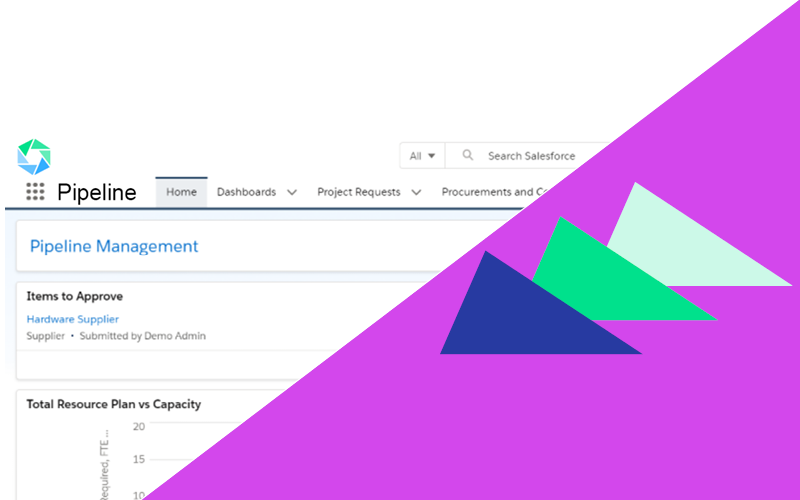 Our Pipeline App empowers your team to plan ahead and forecast for upcoming procurement activities.
 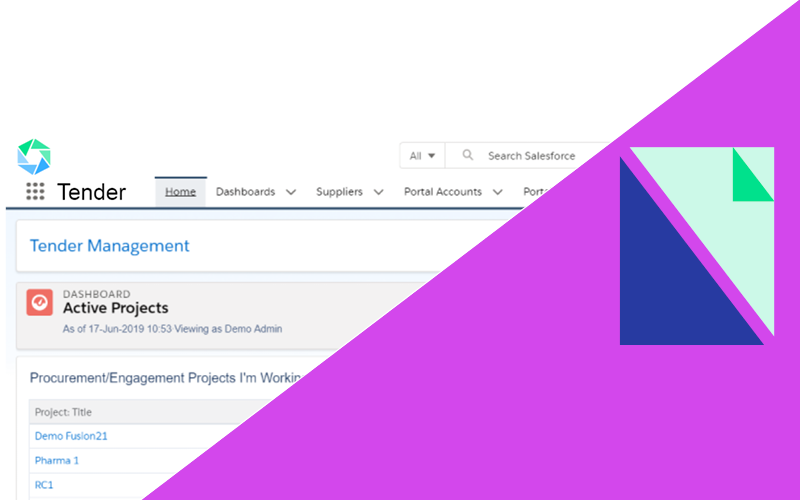 The Tender App allows your team to visualise all sourcing activities within your Atamis platform, from issuing tenders to receiving bids.
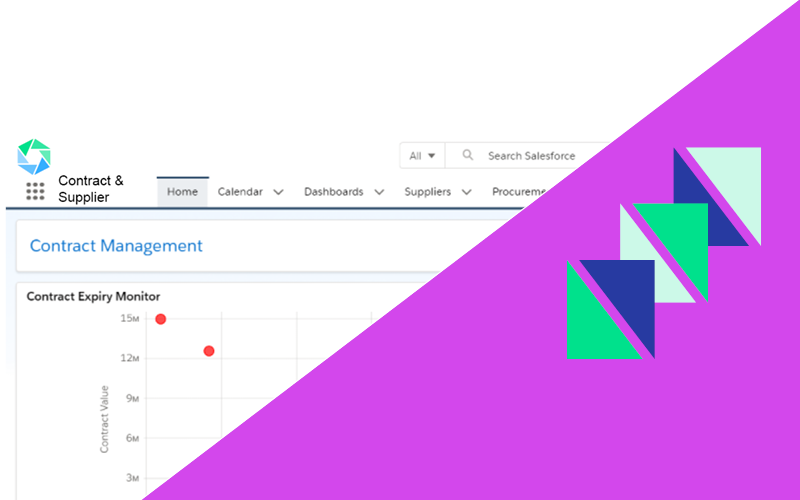 Our Contract & Supplier App puts your team in firm control of your key supplier relationships and provides a central repository for all contracts.
 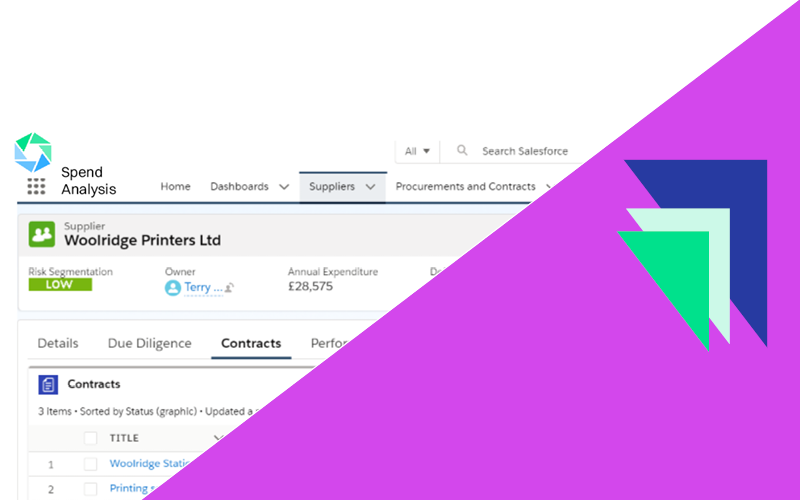 Our Enhancers ensure your solution is tailored to your needs. Pick and choose additional functionality that fits your requirements.

Public sector procurement teams across the UK and Ireland need to deliver transparency, compliance, value for money and operational resilience, all while managing growing supplier complexity and tighter governance expectations.
For many organisations, the first step in procurement digitisation was implementing basic sourcing tools.
These platforms often helped procurement teams move away from email-based tendering and spreadsheet-driven evaluations by introducing structured e-sourcing workflows. Initially, that represented significant progress.
However, as procurement operations mature, many public sector organisations begin to encounter a new challenge.
The sourcing tool that once solved immediate procurement issues starts creating operational limitations elsewhere in the procurement lifecycle.
This is the point where procurement leaders begin recognising the need for broader public sector procurement software capabilities that support integrated source-to-contract and contract management processes.
In this article, we explore the operational triggers, governance risks and procurement lifecycle challenges that signal when public sector organisations have outgrown standalone sourcing tools.
Why Sourcing Tools Were Originally Adopted
For many public bodies, sourcing tools were implemented to address very specific procurement challenges.
Common goals included:
- Digitising tender processes
- Improving supplier communication
- Standardising evaluations
- Reducing manual administration
- Improving procurement transparency
- Supporting auditability during competitive exercises
At the time, these capabilities often delivered substantial operational improvements.
Basic sourcing tools helped procurement teams move away from fragmented email chains and manual bid management processes towards more structured procurement workflows.
However, sourcing is only one part of the wider procurement lifecycle.
As procurement expectations evolve, organisations often discover that improving tender management alone does not solve broader governance, supplier management and contract visibility challenges.
The Problem With Treating Procurement as a Single Event
One of the biggest limitations of standalone sourcing tools is that they often focus heavily on procurement events rather than ongoing supplier and contract management.
In practice, public sector procurement is not a single transaction.
It is a continuous lifecycle that includes:
- Procurement planning
- Supplier onboarding
- Tender management
- Evaluation and award
- Contract approvals
- Supplier performance monitoring
- Compliance management
- Risk oversight
- Renewal management
- Contract closure
When these activities operate across disconnected systems, procurement teams lose continuity and visibility across the wider commercial lifecycle.
This creates governance gaps that become increasingly difficult to manage as procurement complexity grows.
Sign 1: Contract Management Happens Outside the Procurement System
One of the clearest signs that an organisation has outgrown standalone sourcing tools is when contract management processes are handled separately.
In many public bodies, sourcing activity ends once the contract is awarded.
From there, contracts are often stored in:
- Shared drives
- Spreadsheets
- Departmental folders
- Email inboxes
- Standalone repositories
This creates fragmented visibility across the contract lifecycle.
Procurement teams may have strong oversight during tendering but limited visibility once suppliers are operational.
As a result, organisations often struggle with:
- Missed renewals
- Weak supplier accountability
- Poor contract visibility
- Limited audit readiness
- Inconsistent governance controls
Integrated contract management software helps close this gap by connecting sourcing activity directly to ongoing supplier and contract oversight.
Sign 2: Procurement Teams Spend More Time Chasing Information Than Managing Suppliers
As procurement operations become more complex, disconnected systems create growing administrative burdens.
Teams often spend excessive time:
- Searching for contract records
- Requesting supplier documentation
- Reconciling spreadsheets
- Chasing approvals
- Manually updating reports
- Verifying compliance status
These inefficiencies reduce the time available for strategic procurement activity.
Instead of focusing on supplier performance, risk management or commercial outcomes, procurement professionals become occupied with operational administration.
This is often a strong indicator that sourcing tools alone are no longer sufficient.
Modern public sector procurement software should improve operational visibility across the entire procurement lifecycle rather than creating additional manual work between disconnected processes.
Sign 3: Supplier Risk Is Managed Reactively
Supplier risk management has become a major priority across public sector procurement.
However, many organisations still manage supplier oversight through fragmented and reactive processes.
Without integrated visibility across sourcing, contracts, supplier performance and compliance activity, procurement teams often discover issues too late.
This can include:
- Expired insurance
- Missing certifications
- Supplier underperformance
- Compliance breaches
- Unmanaged dependencies
- Contractual disputes
Standalone sourcing tools rarely provide the broader supplier governance capabilities needed to manage ongoing supplier risk effectively.
Integrated procurement lifecycle management helps organisations create continuous supplier oversight rather than limiting visibility to procurement events alone.
Sign 4: Reporting Requires Manual Data Collection
Many public sector organisations struggle to generate reliable procurement insights because data sits across disconnected systems.
Procurement teams often rely on manual reporting processes that involve:
- Exporting spreadsheets
- Combining data sources
- Validating supplier information
- Rebuilding reports manually
- Chasing departments for updates
This creates reporting delays and reduces confidence in procurement data accuracy.
It also limits leadership visibility into:
- Contract exposure
- Supplier performance
- Procurement pipeline activity
- Savings delivery
- Compliance status
- Renewal risks
Integrated public sector procurement software improves reporting consistency by creating a single source of truth across procurement and contract management activities.
Sign 5: Governance Processes Depend on Individual Knowledge
In many organisations, procurement governance relies heavily on experienced individuals understanding internal processes and controls.
This creates operational risk.
When governance processes are managed manually, organisations often depend on people remembering:
- Approval routes
- Compliance checks
- Review dates
- Contract obligations
- Procurement thresholds
- Supplier requirements
This approach becomes increasingly difficult to sustain as procurement volumes and complexity increase.
Integrated procurement lifecycle management embeds governance controls directly into operational workflows, reducing reliance on manual oversight.
This improves consistency while strengthening government procurement compliance across the organisation.
Sign 6: Procurement and Contract Data Are Inconsistent
Another common sign that sourcing tools are no longer sufficient is inconsistent procurement and contract data.
When sourcing, supplier management and contract records exist across different systems, organisations often experience:
- Duplicate supplier records
- Conflicting contract information
- Inconsistent reporting
- Poor data quality
- Weak audit trails
This creates confusion across procurement, finance, legal and operational teams.
Integrated source-to-contract environments help standardise procurement and supplier data structures, improving visibility and operational consistency.
Sign 7: Supplier Performance Is Not Connected to Procurement Decisions
Many public bodies conduct structured evaluations during tender processes but fail to maintain ongoing supplier performance visibility after award.
As a result, procurement teams often lack meaningful insight into whether suppliers continue meeting contractual expectations.
This disconnect weakens:
- Vendor management
- Contract oversight
- Renewal decision-making
- Supplier accountability
- Risk management
Integrated contract management software helps organisations connect supplier performance directly to contracts, procurement history and governance processes.
This creates a more complete view of supplier relationships across the entire lifecycle.
Sign 8: Procurement Visibility Declines After Contract Award
Standalone sourcing tools are typically strongest during active procurement exercises.
However, visibility often declines significantly once contracts move into operational delivery.
This creates blind spots around:
- Supplier obligations
- Contract utilisation
- Governance activity
- Compliance status
- Contract expiry exposure
- Operational performance
For public sector organisations managing large supplier ecosystems, these visibility gaps create growing governance and operational risks.
Integrated public sector procurement software helps maintain oversight throughout the full contract lifecycle rather than limiting visibility to sourcing activity alone.
Why Integrated Source-to-Contract Capability Matters
As procurement functions mature, organisations increasingly require connected procurement ecosystems rather than standalone sourcing applications.
Integrated source-to-contract capability allows organisations to connect:
- Sourcing
- Contract management
- Supplier oversight
- Governance workflows
- Reporting
- Risk management
- Compliance monitoring
into a unified operational environment.
This creates greater continuity across procurement operations while reducing fragmentation and manual administration.
Importantly, integrated procurement lifecycle management also strengthens long-term governance by ensuring that procurement controls continue beyond contract award.
The Growing Importance of Government Procurement Compliance
Compliance expectations across public sector procurement continue to increase.
Organisations must now manage growing obligations linked to:
- Procurement transparency
- Audit readiness
- Supplier due diligence
- ESG reporting
- Cyber security
- Data protection
- Financial governance
Meeting these requirements through disconnected sourcing and contract processes becomes increasingly difficult over time.
Integrated contract management software helps public bodies strengthen compliance by creating:
- Structured workflows
- Centralised records
- Automated alerts
- Standardised approvals
- Clear audit trails
- Consistent reporting
This significantly improves operational control while reducing compliance risk.
Why Vendor Management Can No Longer Sit Separately
Supplier relationships do not end when contracts are signed.
However, many public sector organisations still manage vendor management outside procurement systems entirely.
This creates fragmented oversight and limits organisations’ ability to manage supplier performance strategically.
Integrated vendor management capabilities allow organisations to connect:
- Supplier onboarding
- Risk assessments
- Performance monitoring
- Compliance documentation
- Contract obligations
- Governance reviews
within a single operational framework.
This creates stronger supplier accountability while improving long-term procurement visibility.
What Public Sector Leaders Should Prioritise Next
For organisations recognising these challenges, the goal should not be replacing sourcing capability entirely.
Instead, procurement leaders should focus on expanding procurement maturity beyond sourcing alone.
Key priorities often include:
Centralising contract visibility
Connecting sourcing and contract management improves continuity and governance.
Automating governance workflows
Structured approvals and alerts reduce manual oversight requirements.
Improving supplier visibility
Integrated vendor management strengthens supplier accountability.
Standardising procurement data
Consistent information improves reporting and audit readiness.
Embedding compliance controls
Integrated workflows improve government procurement compliance across the lifecycle.
These improvements help organisations create more connected and scalable procurement environments over time.
Final Thoughts
Sourcing tools often represent an important first step in public sector procurement transformation.
However, as procurement complexity grows, many organisations discover that sourcing alone is not enough.
When contract management, supplier oversight, governance, and reporting remain fragmented across disconnected systems, procurement teams lose the visibility and operational control needed to manage supplier relationships effectively.
Integrated public sector procurement software helps organisations move beyond isolated procurement events towards fully connected procurement lifecycle management.
By connecting sourcing, contract management software, vendor management, governance, and compliance processes into a unified operational environment, public bodies can significantly improve visibility, reduce operational risk, and strengthen long-term procurement performance.
As public procurement expectations continue evolving across the UK and Ireland, organisations that invest in integrated source-to-contract capability will be far better positioned to manage compliance, improve supplier governance, and deliver more strategic procurement outcomes over the long term.
Outgrown your sourcing tools?
Speak to our team today about an Atamis solution designed to grow with you and your organisation.


Max is a Product Analyst at Atamis, working closely with procurement professionals, technology teams and product stakeholders to shape the development of procurement technology solutions. In a product ownership capacity, he translates procurement requirements and user needs into clear product requirements, helping ensure that technology supports practical, efficient and well-governed procurement processes. His work spans product discovery, requirements analysis, process design, prioritisation and continuous product improvement across the source-to-contract procurement lifecycle. Through his work at Atamis, Max has developed practical expertise in procurement technology, source-to-contract processes, digital procurement transformation and the application of technology to modern procurement operations.