
 Atamis’ end-to-end solution is built to target your specific pain points and drive efficiencies.
 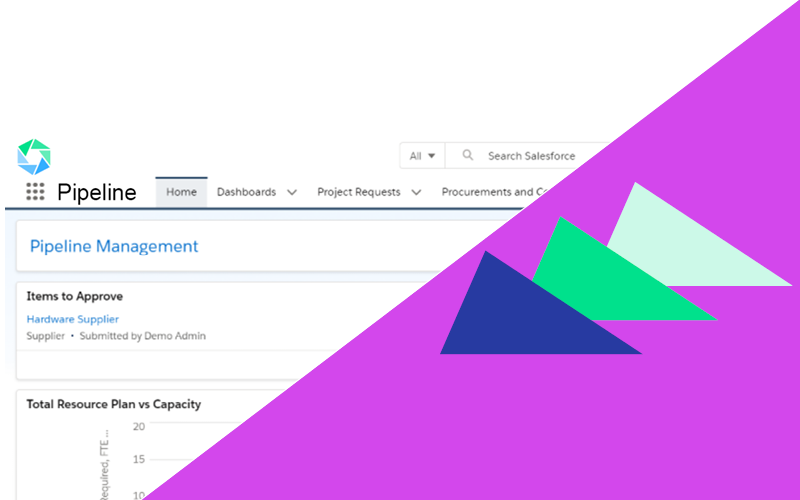 Our Pipeline App empowers your team to plan ahead and forecast for upcoming procurement activities.
 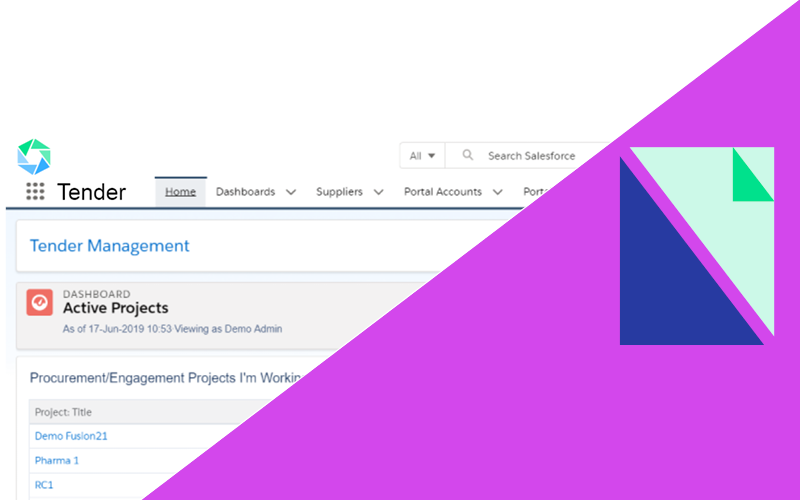 The Tender App allows your team to visualise all sourcing activities within your Atamis platform, from issuing tenders to receiving bids.
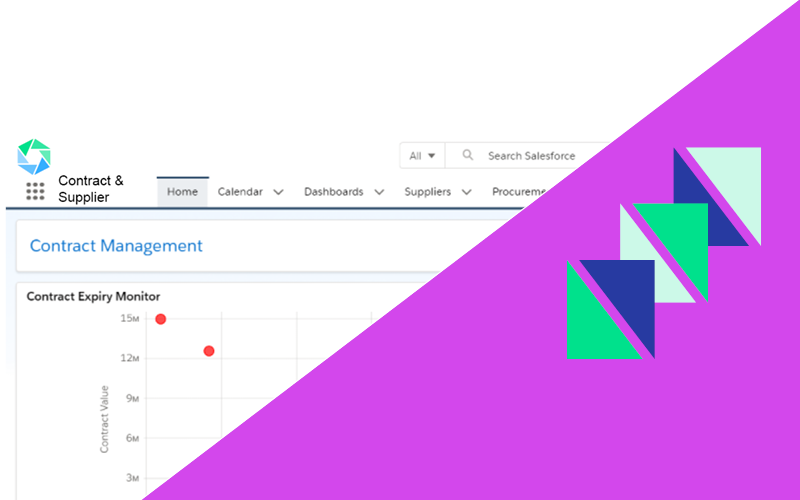 Our Contract & Supplier App puts your team in firm control of your key supplier relationships and provides a central repository for all contracts.
 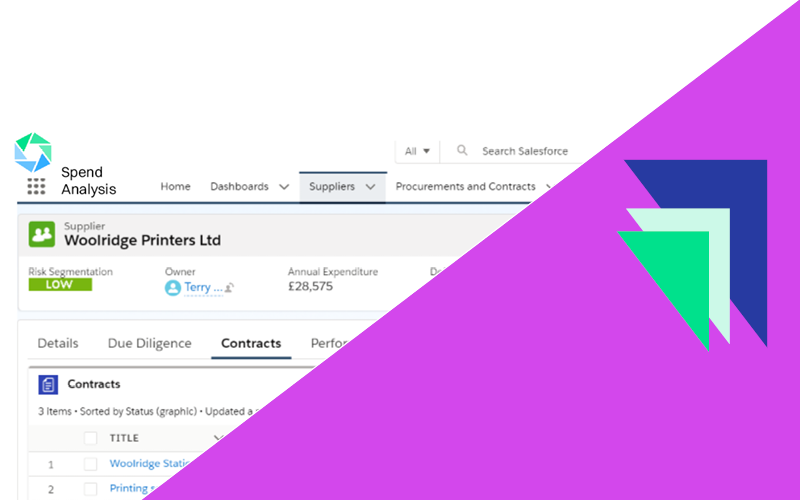 Our Enhancers ensure your solution is tailored to your needs. Pick and choose additional functionality that fits your requirements.

Procurement has evolved significantly over the last decade. What was once a series of disconnected activities managed across spreadsheets, email chains and standalone systems has become a strategic function responsible for reducing risk, delivering value, improving supplier relationships and ensuring regulatory compliance.
Yet many organisations still rely on fragmented procurement processes. Planning takes place in one system, sourcing in another, contracts are stored in shared drives, and supplier information lives in multiple locations. This lack of integration creates inefficiencies, limits visibility and makes governance more difficult.
This is where source-to-contract platforms deliver significant value.
By bringing together procurement planning, e-sourcing tools, contract lifecycle management and supplier information within a single platform, organisations gain greater visibility, stronger governance and better control over procurement activity from start to finish.
In this guide, we’ll explore how source-to-contract platforms improve procurement performance, why they are becoming essential across both public sector and enterprise organisations and the benefits they deliver throughout the procurement lifecycle.
What are source-to-contract platforms?
A source-to-contract platform is an integrated procurement solution that manages every stage of the procurement process before purchasing takes place.
Typically, this includes:
- Procurement planning
- Pipeline management
- Supplier onboarding
- Supplier relationship management
- Tender creation
- Competitive sourcing
- Evaluation and award
- Contract authoring
- Contract approvals
- Contract lifecycle management
- Supplier performance monitoring
Rather than treating these activities as separate functions, source-to-contract platforms create a continuous digital workflow where information flows seamlessly between each stage.
The result is a single source of truth for procurement teams, stakeholders and suppliers.
Why disconnected procurement processes create problems
Many procurement teams have invested in individual systems over time.
They may have:
- A standalone tendering solution
- Separate contract management software
- Supplier records stored in spreadsheets
- Procurement plans maintained in project management tools
- Approval workflows managed through email
While each tool may perform well independently, they often fail to communicate with one another.
This creates several common challenges.
Limited visibility
Procurement leaders struggle to understand:
- which procurements are planned
- where each sourcing project sits
- when contracts expire
- supplier performance
- upcoming renewal risks
Without connected information, reporting becomes reactive rather than proactive.
Duplicate data entry
Supplier information, contract values and project details are often entered multiple times across different systems.
Not only does this waste valuable time, but it also increases the likelihood of inconsistent or inaccurate information.
Poor procurement control
Disconnected processes make it difficult to enforce governance consistently.
Teams may:
- use outdated templates
- skip approval stages
- award contracts outside policy
- lose visibility of procurement decisions
As organisations grow, these risks increase significantly.
How source-to-contract platforms improve procurement
Instead of treating procurement as isolated activities, integrated platforms connect every stage into one controlled workflow.
Here are the biggest improvements organisations typically experience.
1. Better procurement planning
Strong procurement begins long before a tender is published.
Modern source-to-contract platforms allow organisations to create procurement pipelines that provide visibility into upcoming activity across departments.
Procurement teams can:
- forecast future demand
- identify resource requirements
- prioritise high-value procurements
- coordinate sourcing exercises
- engage stakeholders earlier
This reduces last-minute procurement activity and supports better commercial outcomes.
For public sector organisations, improved planning also helps align procurement with budgeting cycles and strategic objectives.
2. Integrated e-sourcing improves consistency
Modern e-sourcing tools allow procurement teams to manage competitive sourcing activities within the same platform.
Rather than exporting information between systems, procurement professionals can:
- create RFIs
- manage RFQs
- run ITTs
- evaluate suppliers
- manage clarifications
- score submissions
- document award decisions
Because supplier information already exists within the platform, sourcing projects become faster and more consistent.
Evaluation records are automatically captured, improving transparency and audit readiness.
3. Seamless transition from sourcing to contracts
One of the biggest inefficiencies in fragmented procurement systems occurs after supplier selection.
Often, contract information has to be recreated manually in another application.
Source-to-contract platforms eliminate this duplication.
Supplier details, pricing, evaluation records and award decisions automatically populate contract creation workflows.
This means:
- less administration
- fewer errors
- faster contract execution
- greater data accuracy
Procurement teams spend less time moving information and more time managing value.
4. Stronger contract lifecycle management
Winning a tender is only the beginning.
The real value comes from managing contracts effectively throughout their lifecycle.
Integrated contract lifecycle management enables organisations to:
- create standardised contracts
- automate approval workflows
- track obligations
- monitor milestones
- manage variations
- receive renewal reminders
- maintain version control
Rather than contracts sitting unused in shared folders, they become active commercial assets that continue delivering value throughout their lifetime.
5. Improved procurement control
One of the greatest advantages of integrated platforms is stronger procurement control.
Every procurement follows predefined workflows aligned with organisational policies.
Controls can include:
- mandatory approvals
- delegated authority limits
- audit trails
- standard templates
- approval routing
- document version control
This significantly reduces process variation while improving governance across procurement teams.
6. Better visibility for procurement leaders
Leadership teams require accurate data to make informed decisions.
Source-to-contract platforms provide dashboards covering:
- procurement pipeline
- sourcing activity
- contract status
- supplier performance
- spend commitments
- upcoming renewals
- compliance reporting
Instead of waiting for manual reports, procurement leaders gain real-time insight into organisational procurement activity.
This supports better strategic planning and more informed commercial decision-making.
Supporting public compliance
For public sector organisations, compliance is not optional.
Every procurement must demonstrate fairness, transparency and accountability.
Integrated source-to-contract platforms help support public compliance by embedding governance directly into procurement workflows.
This includes:
- maintaining complete audit trails
- recording evaluation decisions
- documenting approvals
- securely storing procurement documentation
- applying standard procurement templates
- tracking contract changes
- managing document retention
By automating governance activities, procurement teams reduce administrative burden while strengthening compliance with internal policies and external regulations.
Better supplier collaboration
Procurement success depends on strong supplier relationships.
Source-to-contract platforms improve supplier engagement by providing structured communication throughout the procurement lifecycle.
Suppliers can:
- register once
- update their information
- respond to sourcing opportunities
- upload documents
- access contract information where appropriate
This creates a more consistent supplier experience while reducing administrative work for procurement teams.
A central supplier record also improves data quality across future procurement projects.
Reduced risk
Procurement teams manage significant organisational risk.
Disconnected systems often make it difficult to identify emerging issues until they become costly problems.
Integrated platforms reduce risk by providing:
- contract expiry alerts
- approval controls
- supplier due diligence tracking
- document version management
- obligation monitoring
- central contract storage
These capabilities help organisations remain proactive rather than reactive.
Increased efficiency across procurement teams
One of the most immediate benefits organisations notice after implementing a source-to-contract platform is increased efficiency.
Manual administration is reduced because information only needs to be entered once.
Automated workflows remove repetitive tasks such as:
- chasing approvals
- sending reminders
- updating spreadsheets
- locating documents
- generating reports
Procurement professionals can spend more time on strategic sourcing, supplier engagement and value creation instead of administrative activities.
Better decision-making through connected data
Because every procurement activity takes place within one platform, organisations build a rich source of procurement intelligence.
Leaders can analyse:
- sourcing timelines
- contract values
- supplier performance
- procurement workloads
- approval bottlenecks
- savings delivered
- contract renewal pipelines
These insights support continuous improvement and more effective procurement strategies over time.
Why modular source-to-contract platforms offer additional flexibility
Not every organisation starts from the same level of procurement maturity.
Some may already have effective contract management software but need stronger e-sourcing tools.
Others may want to improve procurement planning before introducing contract management capabilities.
Modern modular source-to-contract platforms allow organisations to implement functionality gradually while maintaining a connected procurement ecosystem.
This reduces implementation risk and enables procurement transformation to progress at a pace that suits organisational priorities and available resources.
Choosing the right source-to-contract platform
When evaluating source-to-contract platforms, procurement leaders should look beyond individual features.
The best solutions combine functionality with usability, scalability and strong governance.
Key considerations include:
- Integrated procurement planning
- Flexible e-sourcing capabilities
- Comprehensive contract lifecycle management
- Supplier relationship management
- Configurable workflows
- Robust reporting and dashboards
- Strong security and audit capabilities
- Ease of use for internal users and suppliers
- Support for public sector procurement requirements
- Modular implementation options
Selecting the right platform is about creating an ecosystem that supports procurement from initial planning through to contract completion.
The future of procurement is connected
Procurement is increasingly expected to deliver strategic value while managing risk, improving supplier relationships and ensuring compliance.
Meeting these expectations requires more than standalone tools.
Source-to-contract platforms provide the connected foundation organisations need to improve visibility, strengthen governance and streamline procurement operations.
By integrating procurement planning, e-sourcing tools, contract lifecycle management and supplier management within a single platform, organisations can eliminate manual processes, improve procurement control, support public compliance and make better-informed commercial decisions.
As procurement continues to evolve, connected platforms are becoming a critical enabler of more efficient, transparent and resilient procurement functions.
Frequently Asked Questions
What is a source-to-contract platform?
A source-to-contract platform is procurement software that manages the entire procurement process from planning and supplier sourcing through to contract creation, execution and ongoing contract management.
How do source-to-contract platforms differ from procure-to-pay systems?
Source-to-contract platforms focus on activities before purchasing takes place, including planning, sourcing, supplier management and contract lifecycle management. Procure-to-pay systems manage purchasing, invoicing and payment after a contract has been awarded.
How do e-sourcing tools improve procurement?
E-sourcing tools automate competitive procurement activities such as tenders, RFQs and supplier evaluations. They improve transparency, reduce manual administration and create consistent procurement processes.
Why is contract lifecycle management important?
Contract lifecycle management helps organisations manage contracts from creation through to renewal or expiry. It improves visibility, reduces risk, automates approvals and ensures contractual obligations are effectively managed.
How do source-to-contract platforms support public compliance?
Source-to-contract platforms support public compliance by maintaining audit trails, standardising procurement workflows, recording approvals, securely storing procurement documentation and improving transparency throughout the procurement process.
Looking for source-to-contract software for public sector organisations?
Speak to our team today about how we support our clients in driving efficiencies in their procurement function.


Becky is a Project Manager at Atamis, where she leads the delivery of procurement technology implementations for clients, ensuring solutions are successfully translated from requirements and design into live, usable platforms. She works closely with client stakeholders and internal teams throughout the implementation lifecycle, coordinating requirements, solution delivery, testing, training, stakeholder engagement and go-live to ensure each solution meets the organisation’s procurement needs. Her experience gives her a practical understanding of the challenges involved in implementing procurement technology and translating complex procurement processes into effective digital workflows.