
 Atamis’ end-to-end solution is built to target your specific pain points and drive efficiencies.
 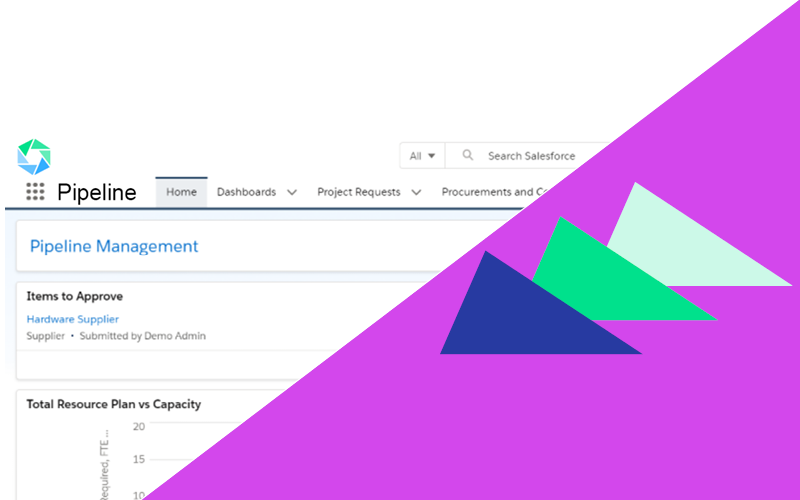 Our Pipeline App empowers your team to plan ahead and forecast for upcoming procurement activities.
 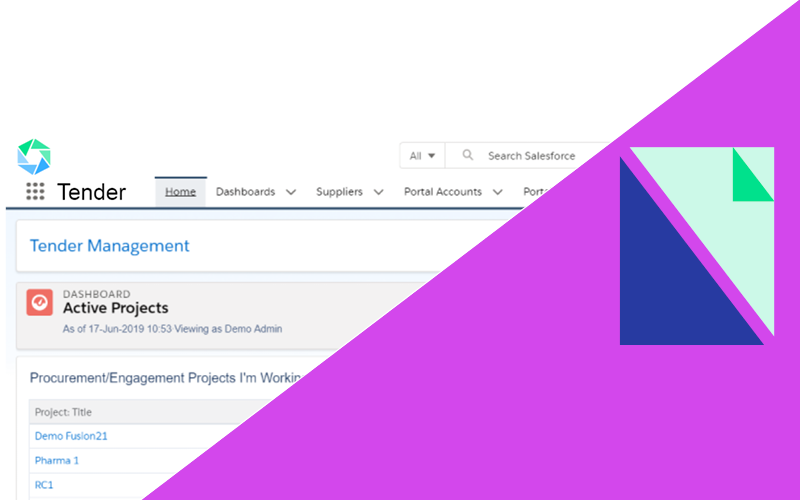 The Tender App allows your team to visualise all sourcing activities within your Atamis platform, from issuing tenders to receiving bids.
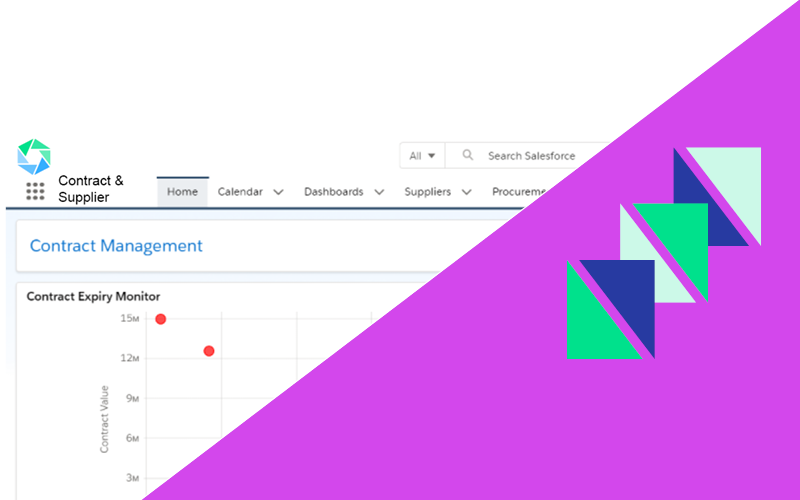 Our Contract & Supplier App puts your team in firm control of your key supplier relationships and provides a central repository for all contracts.
 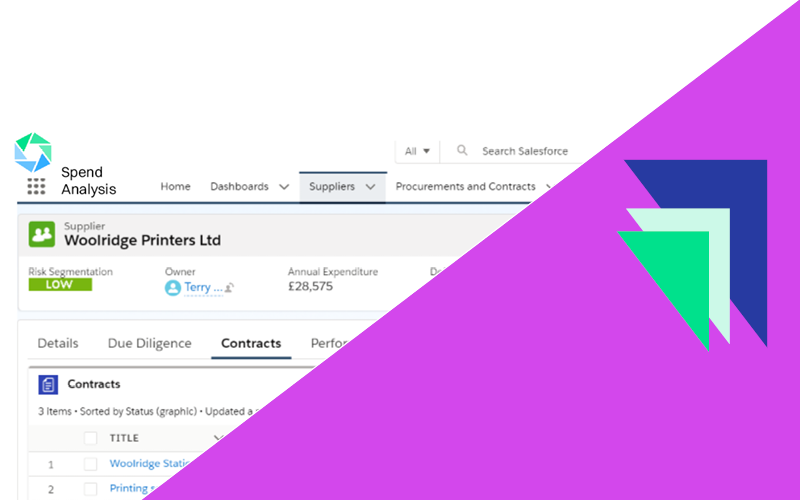 Our Enhancers ensure your solution is tailored to your needs. Pick and choose additional functionality that fits your requirements.

Supplier relationships have never been more important.
Whether you’re managing strategic suppliers, navigating supply chain disruption, or delivering complex public sector programmes, success depends on strong collaboration built on accurate information and effective contract management.
However, many organisations continue to manage contracts across multiple disconnected systems. One team stores agreements in a shared drive, another uses dedicated contract management systems, procurement tracks suppliers in spreadsheets, and performance data sits elsewhere entirely.
The result? Procurement teams spend more time searching for information than managing supplier relationships.
Strong supplier relationship management (SRM) requires more than regular supplier meetings or performance reviews. It depends on having complete visibility into supplier performance, contractual obligations, risks and opportunities—all in one place.
In this article, we’ll explore seven ways fragmented contract systems damage supplier relationship management and explain why integrated procurement software is becoming essential for both public sector and enterprise organisations.
Why supplier relationship management depends on connected contract data
Supplier relationships don’t begin and end with awarding a contract.
Every contract contains critical information that shapes how suppliers should be managed, including:
- Service level agreements (SLAs)
- Key performance indicators (KPIs)
- Commercial terms
- Contract milestones
- Renewal dates
- Risk allocations
- Pricing schedules
- Governance requirements
When this information is scattered across different systems, procurement teams lose the visibility needed to proactively manage supplier relationships.
Instead of driving value, they’re forced into reactive administration.
Let’s look at the biggest ways fragmented systems undermine SRM.
1. Poor visibility makes proactive supplier management impossible
One of the biggest challenges with disconnected contract management systems is the lack of a single source of truth.
Supplier managers often need to search across:
- Shared drives
- Email archives
- Contract repositories
- Procurement platforms
- Finance systems
- Local spreadsheets
Finding the latest contract version becomes time-consuming.
Tracking supplier obligations becomes even harder.
Without complete visibility, organisations struggle to answer basic questions such as:
- Which suppliers are underperforming?
- Which contracts expire this year?
- Which suppliers have upcoming review meetings?
- Which contracts contain extension options?
- Where are contractual risks increasing?
Instead of managing suppliers strategically, teams spend valuable time locating information.
Integrated procurement software eliminates this problem by connecting supplier records with live contract data, providing complete visibility from a single platform.
2. Disconnected systems weaken supplier collaboration
Strong supplier relationships rely on clear, consistent communication.
When contract information lives in multiple systems, different stakeholders often work from different versions of the truth.
This leads to:
- Conflicting information
- Delayed responses
- Missed obligations
- Duplicate supplier requests
- Frustrating supplier experiences
Suppliers shouldn’t have to answer the same questions multiple times simply because internal systems don’t communicate effectively.
Integrated platforms enable procurement, contract managers and suppliers to collaborate using shared, up-to-date information throughout the contract lifecycle.
3. Fragmented data limits strategic decision-making
Supplier relationship management isn’t simply about monitoring performance.
It’s about making informed commercial decisions.
Procurement leaders need connected data that combines:
- Contract values
- Supplier performance
- Risk assessments
- Spend analysis
- Delivery metrics
- Procurement history
Fragmented data makes this almost impossible.
Without integrated reporting, organisations struggle to identify:
- Strategic supplier dependencies
- Consolidation opportunities
- Supplier innovation potential
- Commercial leverage
- Contract optimisation opportunities
Connected procurement platforms turn isolated data into meaningful business intelligence.
4. Contract renewals become reactive instead of strategic
Renewal management is one of the clearest examples of disconnected systems creating unnecessary risk.
Without integrated visibility, organisations frequently experience:
- Expired contracts
- Auto-renewals
- Last-minute extensions
- Emergency procurement exercises
- Reduced negotiating leverage
These situations rarely support positive supplier relationships.
Instead, they create unnecessary pressure for both procurement teams and suppliers.
Integrated procurement software provides automated reminders, renewal workflows and forward planning that allow organisations to engage suppliers well before critical contract milestones.
5. Integration challenges create unnecessary manual work
Many organisations have gradually accumulated multiple procurement technologies over several years.
Although each application performs a specific task well, the integration challenges between them often create significant operational inefficiencies.
Procurement professionals frequently find themselves:
- Copying supplier information between systems
- Re-entering contract data
- Updating multiple databases
- Producing manual reports
- Reconciling conflicting information
Every manual step increases the likelihood of:
- Human error
- Data inconsistencies
- Duplicate records
- Reporting inaccuracies
Modern procurement software reduces this administrative burden by ensuring information only needs to be entered once before flowing across the procurement lifecycle.
6. Supplier risk becomes harder to identify and manage
Risk management is now a core component of effective supplier relationship management.
Procurement teams need visibility into:
- Contract obligations
- Insurance documentation
- Performance issues
- Financial risks
- Regulatory compliance
- ESG commitments
- Cyber security requirements
When these records exist across disconnected supply chain tools, early warning signs are easily missed.
Small issues become larger problems simply because nobody has complete visibility.
Integrated procurement platforms provide continuous oversight by linking supplier records, contracts, risk assessments and performance management within a single environment.
The result is faster intervention and more resilient supplier relationships.
7. Procurement loses opportunities to create long-term value
Ultimately, fragmented systems prevent procurement teams from moving beyond administration.
Instead of focusing on:
- Supplier innovation
- Continuous improvement
- Relationship development
- Strategic sourcing
- Performance optimisation
teams spend their time:
- Finding documents
- Updating spreadsheets
- Chasing approvals
- Producing reports
- Correcting inconsistent data
This is perhaps the biggest hidden cost of disconnected contract systems.
Procurement professionals have the expertise to generate significant organisational value—but only when technology removes administrative friction.
Integrated procurement platforms free teams to focus on strategic supplier engagement rather than system management.
The hidden costs of fragmented contract management
Many organisations underestimate the cumulative impact of disconnected systems.
Individually, each inefficiency may seem relatively minor.
Collectively, they lead to:
- Reduced supplier trust
- Slower procurement cycles
- Increased governance risk
- Poorer commercial outcomes
- Lower procurement productivity
- Missed savings opportunities
- Reduced contract visibility
- Higher operational costs
Over time, these issues become barriers to procurement transformation.
How integrated procurement software strengthens supplier relationship management
Modern procurement platforms bring together supplier management, sourcing and contract management within one connected ecosystem.
Rather than managing suppliers through disconnected applications, organisations gain a complete view of every supplier relationship.
This enables procurement teams to:
- View supplier performance alongside contracts
- Track obligations automatically
- Monitor renewals proactively
- Collaborate across departments
- Improve governance
- Reduce administrative effort
- Make faster, evidence-based decisions
Instead of simply storing contracts, integrated platforms transform contract information into an active driver of supplier performance.
What to look for in a modern supplier relationship management platform
If you’re evaluating new procurement technology, look beyond standalone functionality.
The strongest solutions combine SRM with broader procurement capabilities, including:
- Centralised contract management
- Supplier performance management
- Automated workflows
- Configurable approval processes
- Integrated sourcing
- Risk management
- Reporting dashboards
- Audit trails
- Supplier portals
- API integrations with wider enterprise systems
The goal isn’t simply to replace one system.
It’s to create a connected procurement ecosystem where supplier information, contracts and procurement activity work together seamlessly.
Bringing supplier relationships and contract management together
As procurement becomes increasingly strategic, disconnected technology is becoming one of the biggest barriers to success.
Strong supplier relationship management depends on accurate, connected and accessible information throughout the supplier lifecycle.
When organisations rely on fragmented contract management systems, they lose visibility, create unnecessary administrative work and increase procurement risk.
By replacing disconnected applications with integrated procurement software, procurement teams gain the insight, governance and efficiency needed to build stronger supplier relationships, improve decision-making and deliver greater long-term value.
For organisations looking to modernise procurement, connecting supplier management and contract management isn’t simply a technology upgrade—it’s a strategic investment in better commercial outcomes.
Frequently Asked Questions
Why is supplier relationship management important?
Supplier relationship management helps organisations develop stronger, more collaborative relationships with suppliers. Effective SRM improves performance, reduces risk, encourages innovation and delivers better value throughout the contract lifecycle.
How do fragmented contract management systems affect suppliers?
Disconnected systems reduce visibility, create duplicate work, slow communication, increase the risk of missed obligations and make it harder for procurement teams to manage supplier performance proactively.
What are the biggest integration challenges in procurement?
Common integration challenges include duplicate data entry, inconsistent supplier records, disconnected reporting, manual contract updates and limited visibility across procurement processes.
How does integrated procurement software improve vendor management?
Integrated procurement software connects supplier information, sourcing activities, contracts, performance monitoring and reporting within one platform, making vendor management more efficient and data-driven.
Can integrated procurement platforms reduce supply chain risk?
Yes. By connecting contracts, supplier performance, risk assessments and governance processes, integrated procurement platforms help organisations identify issues earlier, monitor supplier risk continuously and respond more effectively to emerging challenges.
Looking for a source-to-contract partner that works for you?
Speak to our team today about a tailored Atamis solution.


Anna is the Senior Project Manager at Atamis with ten years of experience in the software industry. She leads client implementation projects, guiding procurement teams through the delivery of technology solutions that align with their operational requirements and procurement objectives. She manages the implementation journey from initial requirements and solution design through configuration, testing, stakeholder engagement and go-live, ensuring solutions are delivered smoothly and effectively. With a focus on translating procurement needs into practical technology solutions, Anna brings hands-on expertise in implementation management, client collaboration, process alignment and change delivery. Her experience gives her a practical perspective on what it takes to implement procurement technology successfully, from understanding an organisation’s requirements through to delivering a solution that works seamlessly within its procurement processes.