
 Atamis’ end-to-end solution is built to target your specific pain points and drive efficiencies.
 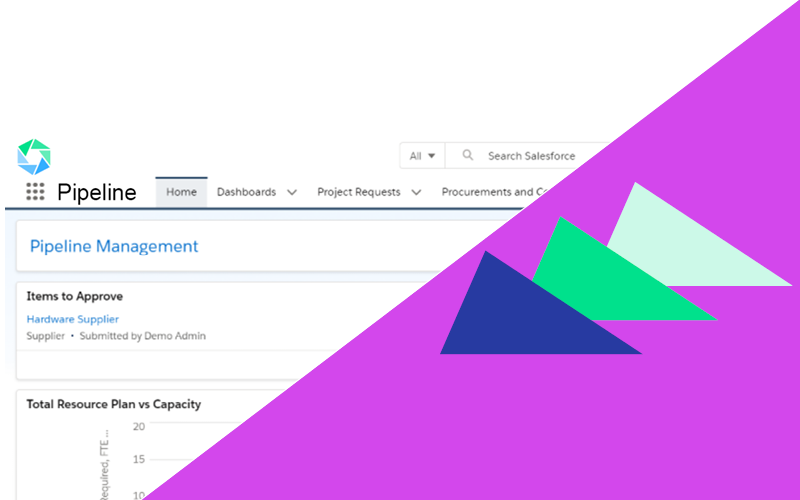 Our Pipeline App empowers your team to plan ahead and forecast for upcoming procurement activities.
 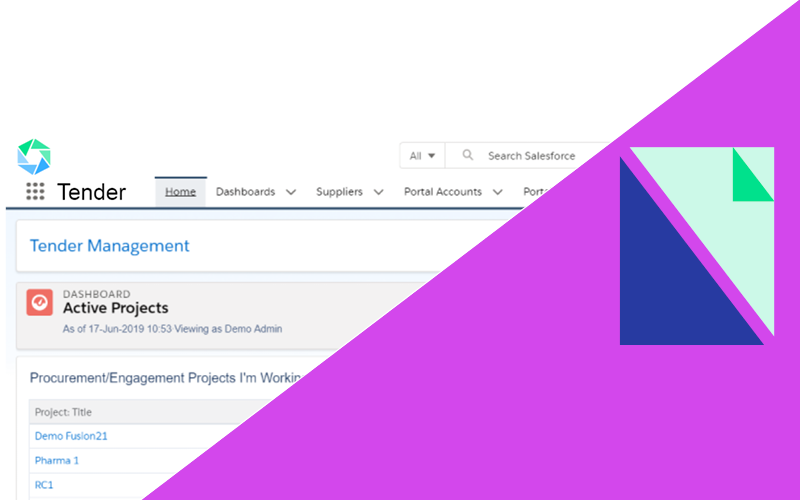 The Tender App allows your team to visualise all sourcing activities within your Atamis platform, from issuing tenders to receiving bids.
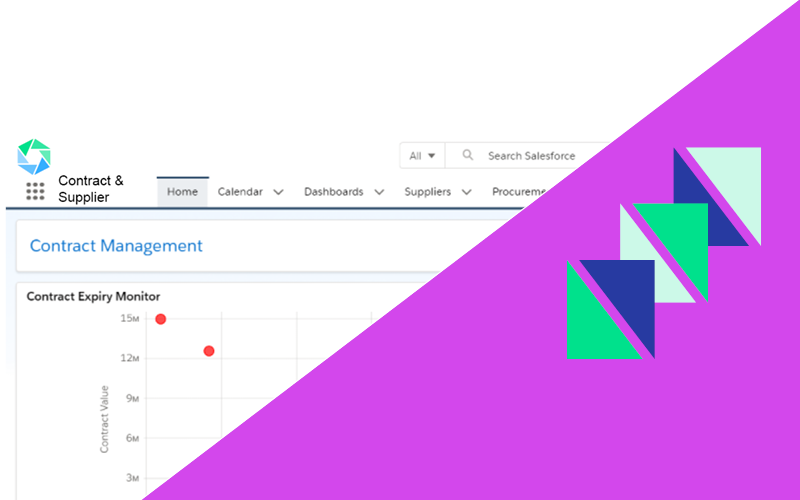 Our Contract & Supplier App puts your team in firm control of your key supplier relationships and provides a central repository for all contracts.
 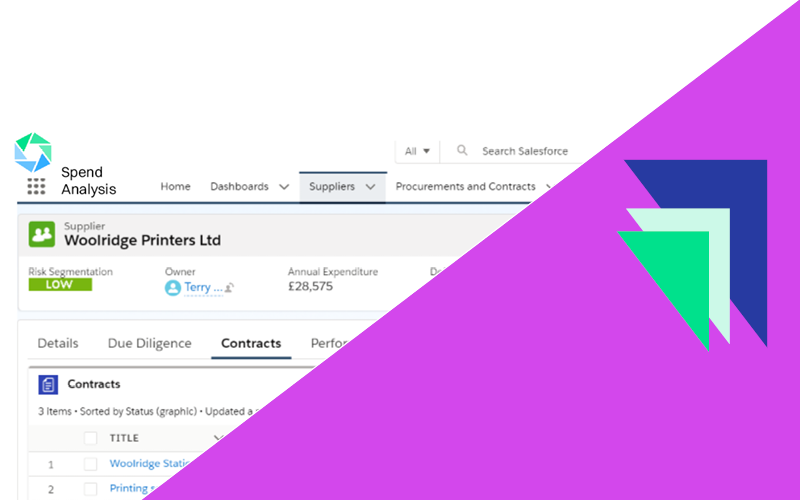 Our Enhancers ensure your solution is tailored to your needs. Pick and choose additional functionality that fits your requirements.

Choosing source-to-contract software is one of the most consequential technology decisions a public sector procurement team can make. The right platform connects your entire procurement lifecycle, from planning and e-sourcing through to contract management and supplier oversight. The wrong choice leaves your team managing fragmented processes, disconnected data and compliance gaps that create real operational risk.
This article covers the key factors you should assess when evaluating source-to-contract software for your organisation. Atamis supports public sector procurement teams with a connected, modular platform built for UK governance requirements.
Key Takeaways: What to Check in Source-to-Contract Software for Public Procurement
- Source-to-contract software should connect procurement planning, e-sourcing and contract management in a single integrated platform.
- Configurable approval workflows and audit trails are critical for public sector governance and compliance readiness.
- Atamis gives public sector procurement teams a modular, integrated platform built for UK compliance requirements.
- Visibility into your procurement pipeline helps you plan resources, manage risks and avoid reactive sourcing activity.
- Supplier management capabilities should link directly to contract records for a single source of truth.
What Public Buyers Should Assess in Source-to-Contract Software
1. Integrated Procurement Planning and Pipeline Visibility
Your procurement function needs forward visibility. Source-to-contract software should allow you to map upcoming procurement activity, assign resources and track approval stages before a sourcing event begins.
Look for tools that let you forecast demand, flag contracts approaching renewal and identify resource bottlenecks across your procurement pipeline. This kind of planning capability reduces reactive procurement and supports better stakeholder engagement early in the process. Without pipeline visibility, your team risks working in a constant cycle of urgent activity rather than planned, strategic sourcing.
2. Flexible E-Sourcing Capabilities
Public procurement often involves complex sourcing events, from RFQs and RFPs to multi-stage ITTs. Your platform should support structured evaluation, scoring frameworks and full audit trails for every decision made during the process.
The ability to manage tenders and supplier engagement in one place removes duplication and ensures compliance with UK procurement regulations. Built-in bidder communication tools also speed up clarification rounds and keep all correspondence on record. Centralising your e-sourcing activity means every evaluation and outcome is traceable and defensible.
3. Contract Lifecycle Management and Milestone Tracking
Once a contract is awarded, you need clear oversight of obligations, key dates and renewal milestones. Source-to-contract software should centralise your contract management and link contract records directly to supplier data and sourcing history.
Automated alerts for expiry dates, performance reviews and renegotiation windows help your team stay ahead of critical deadlines. This is particularly important given the Procurement Act 2023 requirements around contract performance reporting, KPI assessments and payment compliance notices that contracting authorities must now publish on a regular basis.
4. Embedded Governance and Compliance Controls
For public sector organisations, compliance is not optional. Every procurement activity must demonstrate fairness, accountability and a clear audit trail from initial planning through to contract award and beyond.
Your software should embed governance controls directly into day-to-day procurement workflows. Configurable approval workflows, role-based permissions and standardised processes reduce the risk of non-compliance. Procurement teams operating under the Procurement Act 2023 need platforms that make auditability a built-in feature rather than an afterthought that requires retrospective documentation and manual record-keeping.
5. Supplier Relationship Management Linked to Contracts
Your supplier relationship management capabilities should not sit in a separate system. When supplier performance data, risk assessments and communication history are disconnected from contract records, your team loses the visibility needed to make informed decisions.
Integrated platforms connect supplier information with live contract data, creating a single source of truth. This enables you to track supplier performance against SLAs and KPIs, identify underperforming suppliers and manage risk from one central location rather than reconciling data across multiple disconnected tools.
6. Reporting, Dashboards and Data Integrity
Good procurement decisions depend on reliable data. Source-to-contract software should give you access to configurable dashboards and real-time reporting across sourcing, contracts and supplier activity.
When data flows consistently from planning through to contract management, your team can analyse sourcing timelines, contract values and supplier performance without relying on separate spreadsheets or manual data collection. This supports audit readiness and strengthens governance across your procurement function. For public sector teams, reliable reporting also underpins your regulatory obligations and management information requirements.
7. Data Security and Hosting Infrastructure
Public sector procurement involves highly sensitive commercial and personal data. Your source-to-contract platform must meet stringent security standards, including role-based access controls, data encryption and regular independent security assessments.
Platforms hosted on enterprise-grade infrastructure deliver the scalability and reliability your organisation requires. Atamis is hosted on Salesforce, giving public sector procurement teams enterprise-grade security alongside a user-friendly interface designed for rapid onboarding. Salesforce hosting also means automatic updates, high availability and a proven track record across regulated public sector environments.
8. Modular Design and Phased Implementation
Not every organisation starts from the same level of procurement maturity. Your software should offer a modular design that allows you to start with the capabilities you need most and expand your platform over time as priorities evolve.
This reduces implementation risk and enables procurement improvement to progress at a pace that suits your organisational priorities and available resources. Look for platforms where additional functionality such as spend analysis, risk management or SLA monitoring can be added without disrupting existing workflows or requiring a full re-implementation.
9. Integration with Existing Organisational Systems
Your source-to-contract platform needs to work alongside existing ERP, finance and supplier databases. Without integration, you risk duplicating data entry and creating information gaps between your procurement and finance teams.
Check that the platform supports connections with systems your organisation already uses, including e-signature tools, data reporting platforms and public sector frameworks such as Find a Tender. Genuine integration reduces administrative workload and improves data accuracy across your procurement ecosystem. Ask providers to demonstrate specific integration capabilities during your evaluation process.
10. Public Sector Implementation Experience
Procurement requirements vary significantly between the public and private sectors. When assessing source-to-contract software, look for a provider with demonstrated experience supporting public sector organisations and an understanding of UK governance requirements.
Atamis works with organisations including NHS England, Welsh Government, Northern Ireland Housing Executive and local authorities across the UK. This public sector focus means the platform is built around the governance, compliance and reporting obligations your team navigates daily, backed by a dedicated client success team that understands the sector.
Why Assessing S2C Software Matters for Your Procurement Function
As procurement is increasingly expected to deliver strategic value while managing risk, improving supplier relationships and ensuring compliance, disconnected technology is one of the biggest barriers to progress.
By assessing source-to-contract software against the criteria above, your team can identify platforms that genuinely support your operational and governance needs. Atamis gives public sector procurement teams a connected, modular platform that links procurement planning, e-sourcing and contract lifecycle management in one place.
Speak to the Atamis team
If you are evaluating your options, speak to our team today to see how the Atamis platform can support your organisation.

Frequently Asked Questions
What is source-to-contract software?
Source-to-contract software manages the procurement lifecycle from planning and sourcing through to contract award and management. Atamis connects these stages in one integrated platform, giving your team full visibility and control across every procurement activity.
Why is source-to-contract software important for public sector procurement?
Public sector procurement teams operate under strict governance and transparency obligations. Source-to-contract software embeds compliance controls, audit trails and standardised processes into daily workflows, helping you meet regulatory requirements and reduce risk.
What governance features should public procurement software include?
Look for configurable approval workflows, role-based permissions, full audit trails and automated compliance checks. These features ensure your procurement activity aligns with regulatory expectations and supports audit readiness.
Can source-to-contract software integrate with existing systems?
Yes. Modern source-to-contract platforms like Atamis are built to connect with ERP, finance and e-signature systems. Atamis integrates with tools such as Salesforce, DocuSign and Find a Tender, reducing duplicate data entry and improving data accuracy.
How does modular source-to-contract software benefit procurement teams?
Modular platforms let you start with the capabilities you need and add functionality as your requirements grow. This approach reduces implementation risk and allows procurement improvement to progress at your organisation’s pace.
What should you look for in a source-to-contract software provider?
Assess the provider’s public sector experience, platform security credentials, integration capabilities and approach to implementation support. A provider with proven public sector delivery will understand the governance and compliance demands your team faces.

Becky is a Project Manager at Atamis, where she leads the delivery of procurement technology implementations for clients, ensuring solutions are successfully translated from requirements and design into live, usable platforms. She works closely with client stakeholders and internal teams throughout the implementation lifecycle, coordinating requirements, solution delivery, testing, training, stakeholder engagement and go-live to ensure each solution meets the organisation’s procurement needs. Her experience gives her a practical understanding of the challenges involved in implementing procurement technology and translating complex procurement processes into effective digital workflows.