
 Atamis’ end-to-end solution is built to target your specific pain points and drive efficiencies.
 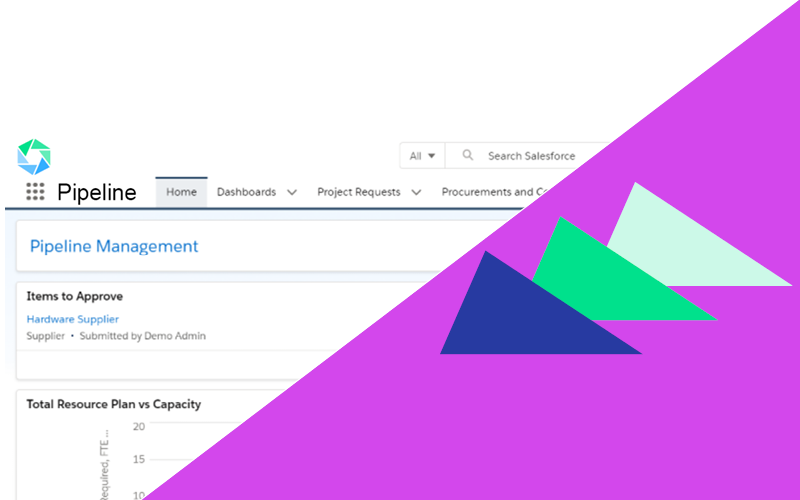 Our Pipeline App empowers your team to plan ahead and forecast for upcoming procurement activities.
 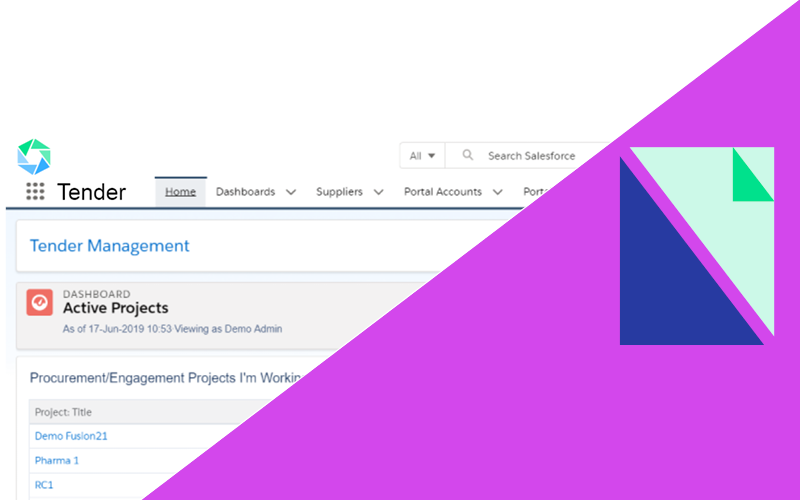 The Tender App allows your team to visualise all sourcing activities within your Atamis platform, from issuing tenders to receiving bids.
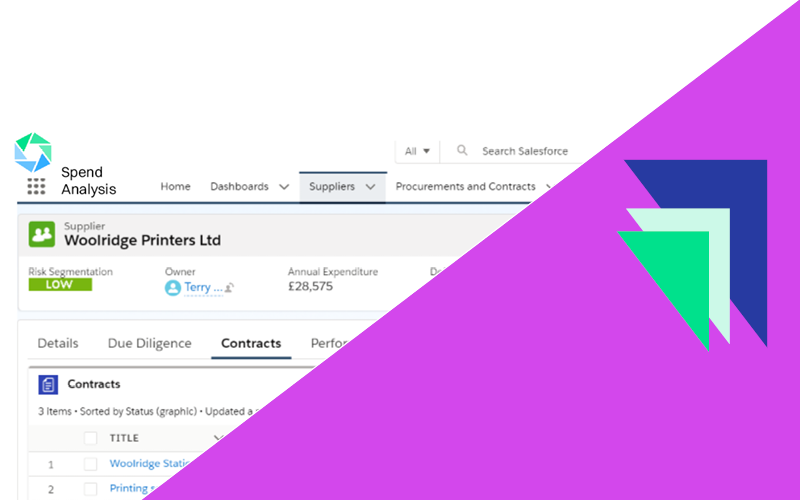
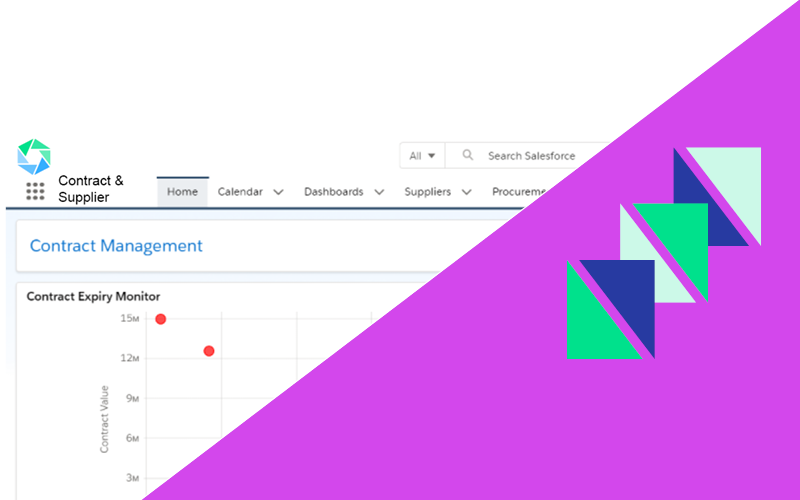 Our Contract & Supplier App puts your team in firm control of your key supplier relationships and provides a central repository for all contracts.
  Our Enhancers ensure your solution is tailored to your needs. Pick and choose additional functionality that fits your requirements.

Supplier relationship management (SRM) has never been more important for procurement teams across public sector and enterprise organisations. Your ability to monitor supplier performance, manage contractual obligations and respond to risk depends on having connected, accurate information across the procurement lifecycle.
Yet many organisations still manage supplier data and contracts across multiple disconnected systems. One team stores agreements in a contract repository, another tracks supplier performance in a separate database, and finance manages payments through an ERP. The cumulative effect of this fragmentation weakens your ability to manage suppliers strategically.
This article explores how fragmented contract management systems undermine SRM and what procurement leaders can do to address the problem.
Key Takeaways: How Fragmented Contract Systems Weaken Supplier SRM
- Disconnected contract and supplier systems reduce visibility into supplier performance, compliance status and contractual obligations.
- Fragmented procurement tools force your team to spend more time reconciling data than building supplier relationships.
- Poor data quality from scattered systems increases compliance risk and weakens audit readiness across organisations.
- Atamis connects supplier records directly to contract data, creating a single source of truth across the procurement lifecycle.
- Consolidating supplier and contract information into one platform strengthens governance, risk management and commercial outcomes.
What Does Tool Fragmentation Look Like in Procurement?
Fragmented contract systems rarely appear overnight. Over time, different teams adopt different tools to solve specific problems. Your procurement team runs sourcing events in one application. Contract records sit in a separate repository. Finance tracks supplier payments through an ERP. Supplier performance data lives in yet another location.
Each system addresses a genuine need. Collectively, however, they create multiple inconsistent versions of the same supplier information. When one team updates a supplier record, that change doesn’t flow to the other platforms.
This disconnect makes it difficult to answer fundamental questions about your supplier base: Which contracts are linked to this supplier? What is your total spend with them? Are compliance documents current?
How Do Fragmented Contract Systems Undermine Supplier Relationship Management?
When contract data and supplier records are separated across platforms, supplier relationship management loses its strategic foundation. Your team can’t see the full picture of a supplier’s obligations, performance history or risk profile from a single view.
Instead of developing stronger supplier partnerships, procurement professionals spend significant time locating the latest contract version, cross-referencing compliance records and re-entering data between systems.
This operational burden reduces the time available for activities that genuinely strengthen supplier relationships: performance reviews, improvement planning, risk monitoring and strategic engagement.
Reduced Visibility into Supplier Performance
Supplier performance monitoring depends on connecting contract terms with real delivery outcomes. When SLAs, KPIs and performance data sit in a different system from the contract record, your team loses the context needed to hold suppliers accountable.
Without that connected view, identifying underperforming suppliers becomes slow and reactive rather than proactive and evidence-based.
Increased Compliance Risk
Supplier certifications, insurance documents, ESG declarations and regulatory credentials are often stored separately from contract information. When these datasets aren’t connected, gaps in compliance documentation can go unnoticed until an audit or review reveals them.
For public sector organisations, where procurement compliance is not optional, this fragmentation creates real governance risk.
Slower Issue Resolution
When a supplier dispute arises, your team needs quick access to the relevant contract clauses, communication history, performance records and compliance documentation. Fragmented systems turn this into a time-consuming search across multiple platforms.
The delay in accessing accurate information weakens your negotiating position and can damage the supplier relationship further.
Why Supplier Management and Contract Management Need to Be Connected
Contracts define your supplier obligations, performance expectations, service levels, governance requirements and commercial commitments. Supplier management tracks how those obligations are being met over time.
When these two functions operate in isolation, each gives you only part of the picture. Contract management without supplier insight lacks performance context. Supplier management without contract data lacks the commercial framework that defines the relationship.
Connecting these datasets allows your procurement team to view supplier performance alongside contractual commitments, identify risks before they escalate and manage renewals with full commercial context.
What Impact Does Fragmentation Have on Procurement Decision-Making?
Procurement leaders rely on accurate, connected data to make informed commercial decisions. Fragmented systems undermine this in several ways.
Spend data scattered across departments and finance systems limits spend visibility and weakens category analysis. Your team may not have a clear view of total supplier spend, contracted versus non-contracted expenditure or upcoming commitments.
Supplier risk data stored separately from contract records makes it harder to assess your true exposure. A supplier flagged for financial instability in one system may have critical contracts tracked in another, with no automatic connection between the two.
According to the 2026 State of Supplier Data report by Graphite, 55% of procurement leaders cited increased risk exposure as a top challenge caused by poor supplier data quality, and 50% identified duplicate or inconsistent supplier records as a major concern.
How Source-to-Contract Platforms Address Fragmentation
Source-to-contract platforms help eliminate data fragmentation by creating continuity across the procurement lifecycle. Rather than managing suppliers through isolated systems, a connected approach links procurement planning, supplier onboarding, sourcing activities, contract creation and performance management in a single environment.
This means your supplier information only needs to be entered once before flowing across every stage of the process. Contract records are linked directly to supplier profiles. Performance data sits alongside contractual obligations. Compliance documentation connects to both.
Atamis delivers this connected approach through its source-to-contract platform, bringing together procurement planning, e-sourcing, contract lifecycle management and supplier oversight. The result is a single source of truth that gives your team visibility into supplier relationships from initial engagement through to contract completion.
What Should You Look for When Evaluating Integrated Procurement Platforms?
If you’re evaluating procurement technology to address fragmentation, look beyond standalone functionality. The most effective platforms connect supplier management, contract lifecycle management and sourcing activities in a unified environment.
Key considerations include:
- Integrated supplier and contract records that link performance data to contractual obligations
- Automated compliance monitoring with alerts for expiring certifications and documentation gaps
- Configurable risk management tools that connect supplier risk assessments to contract data
- Workflow automation that reduces data re-entry and maintains consistency across processes
- Centralised reporting and dashboards that give procurement leaders real-time visibility
Not every organisation starts from the same level of procurement maturity. Modular platforms that allow phased implementation can reduce risk and help your team build capability at a pace that suits your priorities and resources.
Why Fixing Fragmented Contract Systems Strengthens SRM in 2026
As procurement continues to evolve as a strategic function, disconnected technology is becoming one of the biggest barriers to effective supplier relationship management. Fragmented contract systems limit visibility, increase compliance risk and reduce your team’s capacity for strategic supplier engagement.
Connecting supplier management and contract management in a single, integrated platform gives you the visibility, governance and control needed to build stronger supplier relationships and better commercial outcomes. For organisations ready to move beyond disconnected systems, Atamis offers a connected source-to-contract environment built for exactly this purpose.
Speak to our team
For organisations ready to move beyond disconnected systems, our team is here to help. Speak to us today.

Frequently Asked Questions
What is supplier relationship management in procurement?
Supplier relationship management (SRM) is the process of managing supplier performance, engagement, risk and collaboration throughout the supplier lifecycle. Atamis supports SRM by connecting supplier records directly to contract data, giving your team full visibility into each relationship from a single platform.
Why do fragmented contract systems hurt supplier performance monitoring?
Fragmented systems store contract terms in one location and supplier performance data in another. This separation means your team can’t easily compare delivery outcomes against agreed SLAs and KPIs, making it harder to identify underperformance and hold suppliers accountable.
How does an integrated platform improve procurement compliance?
An integrated platform connects supplier compliance documentation, contract obligations and governance workflows in one environment. Atamis automates compliance monitoring with alerts for expiring documents and certification gaps, helping your team maintain audit readiness and reduce governance risk.
Can fragmented procurement tools affect supplier trust?
Disconnected systems often lead to delayed responses, conflicting information and missed obligations. These situations rarely support positive supplier relationships. Atamis helps you maintain consistent, accurate communication by centralising all supplier and contract data in one connected platform.
What is a source-to-contract platform?
A source-to-contract platform is procurement software that manages the full procurement lifecycle, from planning and sourcing through to contract management and supplier oversight. Atamis brings together procurement planning, e-sourcing, contract lifecycle management and supplier management in a single, connected environment.

Ana Maria Grosu is a Product Optimisation Specialist at Atamis. She works at the intersection of procurement technology, product development and client requirements to optimise the Atamis solution for real-world procurement environments. Her role involves supporting product developments and ensuring new functionality is communicated in an accessible way.