
 Atamis’ end-to-end solution is built to target your specific pain points and drive efficiencies.
 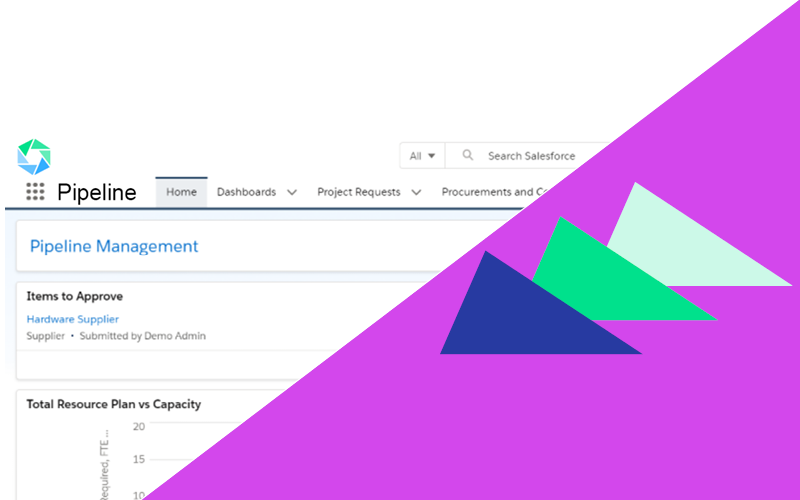 Our Pipeline App empowers your team to plan ahead and forecast for upcoming procurement activities.
 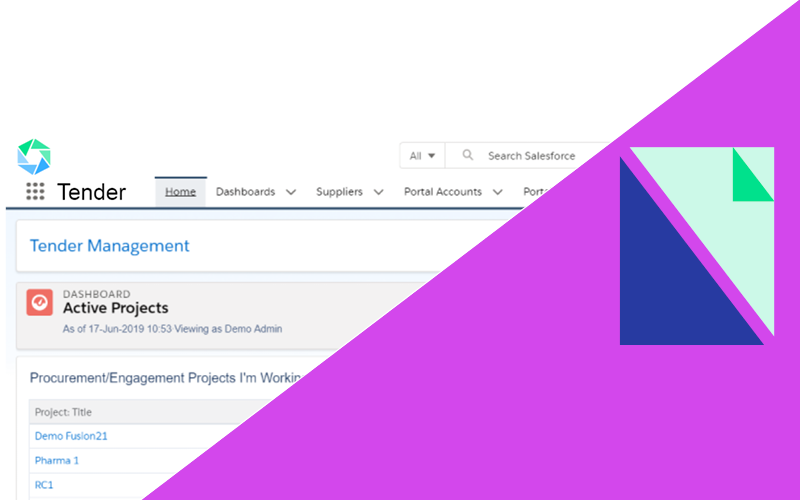 The Tender App allows your team to visualise all sourcing activities within your Atamis platform, from issuing tenders to receiving bids.
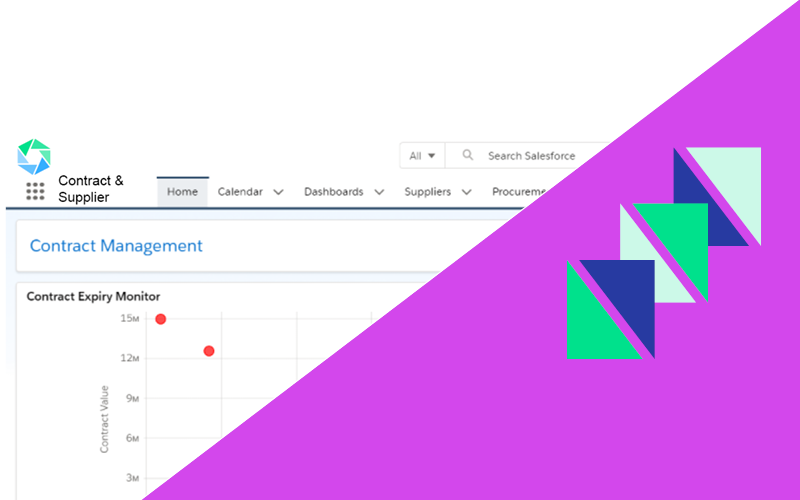 Our Contract & Supplier App puts your team in firm control of your key supplier relationships and provides a central repository for all contracts.
 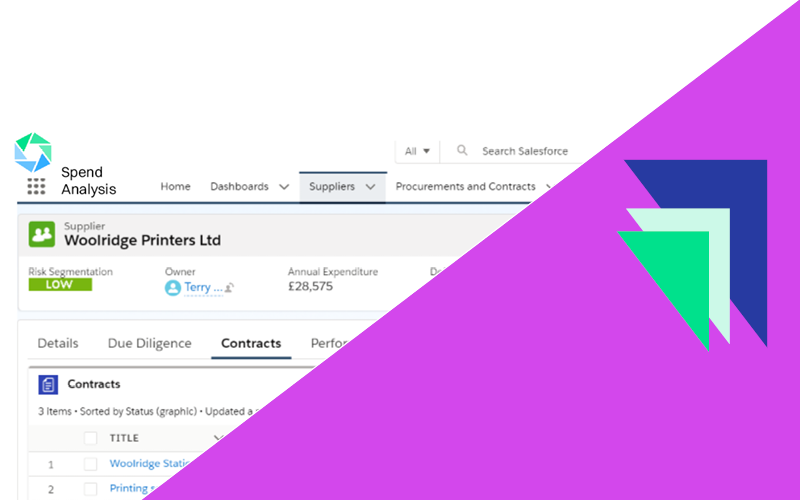 Our Enhancers ensure your solution is tailored to your needs. Pick and choose additional functionality that fits your requirements.

Contract management has become one of the most closely watched disciplines across UK public sector procurement. From local authorities managing hundreds of supplier agreements to central government departments overseeing high-value service contracts, the pressure to maintain governance, demonstrate value for money, and ensure compliance has never been higher.
Yet many public bodies still manage contracts through disconnected systems, inconsistent processes, and limited visibility. The result is a series of operational bottlenecks that weaken governance, slow down procurement cycles, and increase risk across the commercial lifecycle. Atamis helps public sector procurement teams address these challenges through connected contract lifecycle management that brings together planning, sourcing, and supplier oversight in a single platform.
This guide explores why these bottlenecks persist, where they cause the most damage, and what procurement leaders can do to fix them.
Key Takeaways: Why UK Public Bodies Struggle With Contract Management
- Fragmented contract storage across multiple systems creates critical visibility and governance gaps for UK public bodies.
- Manual contract processes increase the risk of missed renewals, compliance failures, and duplicated administration.
- The Procurement Act 2023 raises post-award transparency and performance monitoring obligations significantly.
- Atamis connects procurement planning, sourcing, and contract oversight to remove bottlenecks across the full lifecycle.
- Incremental improvements to contract governance deliver measurable gains before a full technology rollout is required.
What Is Contract Lifecycle Management in the Public Sector?
Contract lifecycle management (CLM) refers to the end-to-end process of managing a contract from initial planning through to renewal, expiry, or exit. For public sector organisations, CLM covers procurement planning, tendering, contract award, supplier onboarding, performance monitoring, compliance oversight, and contract closure.
Effective CLM gives your procurement team visibility into contract status, obligations, key dates, and supplier performance at every stage. When CLM processes are disjointed, procurement teams lose that visibility, and bottlenecks start to build.
In the UK public sector, CLM has additional significance. Procurement teams must operate under strict governance frameworks, demonstrate audit readiness, and comply with evolving legislation including the Procurement Act 2023.
Why Do Contract Administration Bottlenecks Occur in UK Public Bodies?
Bottlenecks in contract administration don’t usually appear overnight. They develop gradually as organisations accumulate multiple systems, workarounds, and informal processes over several years.
Understanding why these bottlenecks occur is the first step toward resolving them. Here are the most common root causes.
Fragmented Contract Storage Across Multiple Systems
One of the biggest contributors to contract administration bottlenecks is fragmented storage. Contracts are often spread across local folders, departmental repositories, legacy finance systems, and multiple email accounts.
This means your team can’t quickly answer fundamental questions: Which contracts are active? When do they expire? Who owns each agreement? What obligations remain outstanding?
Without a single source of truth for contract records, governance weakens and audit readiness declines.
Manual Processes That Slow Approval and Review Cycles
Many public bodies still route contract approvals, reviews, and amendments through email and spreadsheet-based workflows. These manual processes create delays at every stage.
Approval requests sit in inboxes without clear escalation paths. Version control breaks down when multiple stakeholders edit documents independently. Audit trails become incomplete or unreliable.
As procurement volumes increase, these manual workflows become increasingly difficult to maintain.
Disconnected Procurement and Contract Management Functions
In many organisations, procurement teams handle sourcing while separate operational teams manage contracts after award. This handoff creates a gap where important context, including evaluation outcomes, supplier commitments, and risk assessments, gets lost.
When contract management begins only after a contract is signed, your team inherits agreements without full visibility into the procurement decisions that shaped them.
Inconsistent Contract Ownership and Accountability
Unclear ownership is another common bottleneck. When no named individual is accountable for a contract’s performance, compliance, and renewal, management becomes reactive.
Contracts drift without regular review. Supplier performance goes unmonitored. Renewal decisions are made under time pressure rather than through strategic planning.
Legacy Technology That Limits Integration
Many public bodies have accumulated procurement, finance, and document management systems over several years. These systems were often implemented for different purposes at different times and rarely communicate with one another.
This lack of integration forces procurement teams to re-enter data across platforms, increasing the risk of inconsistencies and errors while consuming time that could be spent on more strategic work.
How the Procurement Act 2023 Raises the Bar for Contract Management
The Procurement Act 2023, which came into effect in 2025, introduces significant new obligations for public sector contract management. These obligations make it even more important for public bodies to address existing bottlenecks.
The Act requires contracting authorities to publish Contract Performance Notices at least annually for contracts valued over five million pounds, reporting against key performance indicators (KPIs) and documenting any supplier breaches. Contract Change Notices must be published before modifications are signed, and Contract Termination Notices are required no later than 30 days after a contract ends.
In March 2026, the Cabinet Office published the Contract Management Playbook, reinforcing 11 policy principles and six key objectives for effective post-award management. The Playbook places particular emphasis on governance, accountability, performance monitoring, and early involvement of contract managers in pre-award stages.
For public bodies still relying on disconnected systems and manual processes, meeting these obligations consistently across a large contract portfolio is extremely challenging.
Where Do Contract Administration Bottlenecks Cause the Most Damage?
The operational impact of contract bottlenecks extends well beyond procurement teams. Here are the areas where the damage is most significant.
Missed Contract Renewals and Expiry Dates
Without centralised visibility and automated alerts, contracts frequently expire without timely review. This leads to emergency procurement activity, non-compliant extensions, reduced negotiation position, and service continuity risk.
Your organisation may also continue paying for services under expired agreements without proper governance oversight.
Compliance and Audit Failures
Manual compliance tracking makes it difficult to monitor insurance expiries, data protection obligations, ESG commitments, and regulatory requirements consistently across your contract portfolio.
When compliance activity is reactive rather than proactive, issues often surface only during formal audits or supplier escalations. This creates both operational and reputational risk.
Weak Supplier Performance Oversight
When supplier performance data is managed separately from contract records, your team loses visibility into whether suppliers are delivering on their contractual obligations.
KPIs aren’t tracked consistently. Underperformance goes unescalated. Renewal decisions are made without reliable performance evidence. This weakens both commercial oversight and supplier governance.
Poor Reporting and Decision-Making
Fragmented contract data makes it difficult to generate accurate reports on contract values, supplier performance, expiry timelines, and spend. Manual reporting consumes significant time and often produces incomplete or inconsistent results.
Procurement leaders need reliable data to make strategic decisions about supplier relationships, contract extensions, and resource allocation. Bottlenecks in data quality undermine this capability.
Reduced Procurement Agility
When contract administration is slow and manual, your procurement function loses the agility to respond to changing operational requirements, new policy priorities, or market conditions.
Bottlenecks create a backlog that pushes procurement teams into reactive administration rather than strategic planning.
How to Identify Contract Management Bottlenecks in Your Organisation
Many public sector organisations underestimate the scale of their contract management challenges because issues develop gradually. Here are warning signs that indicate your current approach may need improvement.
- Your team relies on spreadsheets to track contract key dates and obligations
- You cannot quickly identify all active contracts and their current status
- Contract ownership is unclear or inconsistently documented
- Renewal decisions are frequently made under time pressure
- Supplier performance monitoring happens informally or not at all
- Audit preparation requires significant manual data gathering
- Contract documents are stored across multiple, disconnected locations
- Procurement and post-award supplier management operate as separate activities
If several of these apply, your organisation is likely experiencing contract administration bottlenecks that affect governance, efficiency, and risk management.
A Step-by-Step Approach to Fixing Contract Administration Bottlenecks
Resolving contract bottlenecks does not require a complete overhaul of your procurement operations. A phased, incremental approach often delivers faster results with lower implementation risk. Here is a practical framework for getting started.
Step 1: Centralise Your Contract Repository
The first priority is establishing a single, searchable location for all contract records. This means consolidating contracts from local drives, legacy systems, and departmental repositories into one contract register with standardised metadata.
Ensure each contract record includes contract value, supplier details, start and end dates, category ownership, review dates, risk classification, and procurement route. Central visibility is the foundation for everything that follows.
Step 2: Standardise Contract Workflows
Once your contracts are centralised, standardise the workflows around them. Define clear approval routes, escalation paths, and review processes.
Automated approval workflows reduce bottlenecks by routing requests to the right people, tracking status, and maintaining a full audit trail. This removes the delays and inconsistencies associated with email-based approval processes.
Step 3: Implement Automated Contract Alerts
Configure automated notifications for expiry dates, break clauses, renewal milestones, review checkpoints, and compliance obligations. Proactive alerts help your team take action earlier rather than responding reactively when deadlines have already passed.
This is one of the highest-impact, lowest-effort improvements a public body can make to its contract management processes.
Step 4: Assign Clear Contract Ownership
Every contract should have a designated business owner with defined responsibilities for performance monitoring, compliance oversight, and renewal planning.
Embed ownership into your contract management processes so accountability is documented, visible, and enforceable. Clear ownership reduces the ambiguity that allows contracts to drift without active management.
Step 5: Connect Procurement Planning to Contract Management
Contract management should not begin only after a contract is signed. By connecting procurement planning to contract oversight, your organisation retains context from sourcing and evaluation stages throughout the full contract lifecycle.
This means supplier commitments, evaluation outcomes, risk assessments, and agreed deliverables flow directly into contract records. Operational teams receive full context rather than inheriting contracts without background information.
Step 6: Integrate Supplier Performance Tracking
Link supplier performance data directly to contract records. This gives your team visibility into whether suppliers are meeting their contractual obligations, and it connects performance insights to renewal and risk management decisions.
Contract-linked KPIs, supplier review schedules, and performance dashboards create a structured approach to supplier governance.
Step 7: Build Reporting and Governance Capability
Standardised contract metadata and centralised records create the foundation for reliable reporting. Your procurement leaders should be able to access real-time data on contract values, expiry timelines, supplier performance, and compliance status without manual data collection.
Strong reporting capability supports both day-to-day operational decisions and strategic procurement control.
What Good Contract Management Looks Like in UK Public Bodies
Public sector organisations with mature contract management processes share several common characteristics.
Contract information is held in a single, searchable environment with standardised data structures. Approval processes, workflows, and responsibilities are clearly defined and applied consistently. Alerts, notifications, and workflow triggers reduce manual administration and improve compliance monitoring.
Procurement, supplier management, and contract management activities operate as part of a unified lifecycle. Leaders can access accurate contract, supplier, and compliance information without relying on manual data collection. Supplier performance, obligations, and risk indicators are actively monitored throughout the contract lifecycle.
These capabilities help organisations move beyond reactive administration towards more strategic commercial management.
How Connected Platforms Remove Contract Administration Bottlenecks
The root cause of most contract administration bottlenecks is disconnection. Disconnected systems, disconnected teams, and disconnected processes create gaps where visibility, governance, and accountability break down.
Connected source-to-contract platforms address this by bringing procurement planning, e-sourcing, contract management, and supplier oversight into a single environment. When your data flows across the full procurement lifecycle without rekeying or duplication, bottlenecks reduce significantly.
Atamis gives your public sector procurement team a modular, integrated platform built specifically for the governance, compliance, and operational needs of UK public bodies. Contract records connect directly to sourcing activity, supplier performance, and procurement planning data, giving you a single source of truth across the full commercial lifecycle.
Not every organisation starts from the same level of maturity. A modular approach means you can address your most pressing bottlenecks first and expand as your requirements develop.
Common Mistakes to Avoid When Improving Contract Management
When addressing contract bottlenecks, several common mistakes can undermine progress.
Treating CLM Technology as a Storage Tool
Implementing a contract management platform as a digital filing cabinet misses the point. If your team uses the system only to upload signed agreements while continuing to manage governance, approvals, and supplier oversight through manual processes, you won’t resolve the underlying bottlenecks.
Align your CLM implementation with governance objectives from the start. Define what operational success looks like and configure workflows, approvals, and reporting around those outcomes.
Attempting a Full Overhaul at Once
Trying to change everything simultaneously increases implementation risk and slows adoption. Phased improvements, starting with contract centralisation and automated alerts, deliver quicker wins and build organisational confidence for broader changes.
Ignoring the Handoff Between Procurement and Operations
One of the most persistent bottlenecks occurs at the point where procurement hands a signed contract to operational teams. If this transition doesn’t include the context from sourcing and evaluation stages, contract management starts with incomplete information.
Connect your procurement and contract management processes so context travels with the contract throughout its lifecycle.
Building Stronger Contract Governance Across UK Public Bodies
Contract administration bottlenecks are not an inevitable part of public sector procurement. They are the result of accumulated disconnection between systems, processes, and teams that can be addressed through structured, incremental improvement.
As the Procurement Act 2023 raises expectations around transparency, performance monitoring, and governance, the organisations that succeed will be those that move beyond fragmented manual processes and adopt connected, end-to-end contract management approaches.
Effective contract lifecycle management requires more than central storage. It requires connected procurement planning, structured governance, automated oversight, and reliable reporting across the full commercial lifecycle. For UK public bodies, investing in these capabilities is not just an operational improvement. It is a strategic investment in stronger governance, better supplier relationships, and greater accountability for public funds.
Speak to our team
If you’re looking to unite your procurement data and increase efficiencies in your contract management, speak to our team today.

Frequently Asked Questions
What causes contract management bottlenecks in UK public bodies?
Contract management bottlenecks typically result from fragmented systems, manual processes, unclear ownership, and disconnected procurement and post-award functions. These issues accumulate over time and weaken governance, visibility, and compliance across the contract portfolio.
How does the Procurement Act 2023 affect contract management obligations?
The Procurement Act 2023 introduces new post-award obligations including annual Contract Performance Notices, mandatory Contract Change Notices before modifications, and Contract Termination Notices. These requirements make connected, auditable contract management processes essential.
What is a single source of truth for contract records?
A single source of truth is a centralised contract repository where all agreements, obligations, key dates, and supplier information are stored with standardised metadata. Atamis creates this single source of truth by connecting contract records with procurement planning, sourcing, and supplier performance data.
How can Atamis help fix contract administration bottlenecks?
Atamis connects procurement planning, e-sourcing, contract management, and supplier oversight in one integrated platform. Automated workflows, alerts, and reporting capabilities reduce manual administration and improve governance. The modular design means you can address specific bottlenecks first and expand over time.
Can contract management bottlenecks be fixed without replacing existing systems?
Yes. Many organisations achieve significant improvements by centralising contract records, standardising metadata, introducing automated alerts, and defining clear ownership. These steps can often be implemented alongside existing systems before a full platform change is required.
What role does supplier performance tracking play in contract management?
Supplier performance tracking connected to contract records gives your team visibility into whether suppliers are meeting their obligations. Atamis links supplier performance data directly to contracts, enabling more informed renewal decisions, risk management, and governance oversight across your supplier portfolio.

Gareth Burch is Director of Product at Atamis, where he leads product strategy for a source-to-contract procurement technology platform supporting major UK public sector organisations. He combines senior procurement leadership with deep expertise in procurement technology, product strategy, AI-enabled workflows and the transformation of procurement operating models.
Previously Head of Group Procurement at FTSE-listed financial services organisation Admiral Group, Gareth built and led a £350m procurement function, delivering more than £100m in commercial value and leading technology and strategic sourcing programmes. His earlier career spans procurement consulting and building procurement capabilities within high-growth technology businesses, giving him extensive practical experience across strategic sourcing, eProcurement, contract management, supplier governance and procurement transformation. He writes about procurement technology, public sector procurement and product innovation.