
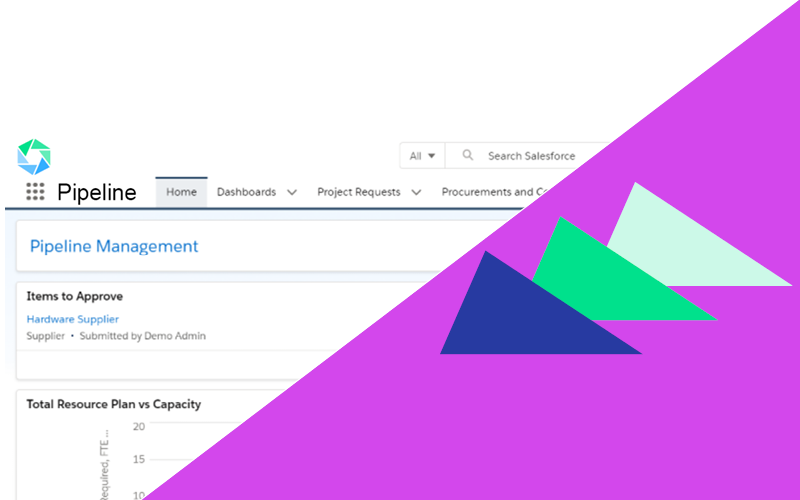
 Our Pipeline App empowers your team to plan ahead and forecast for upcoming procurement activities.
 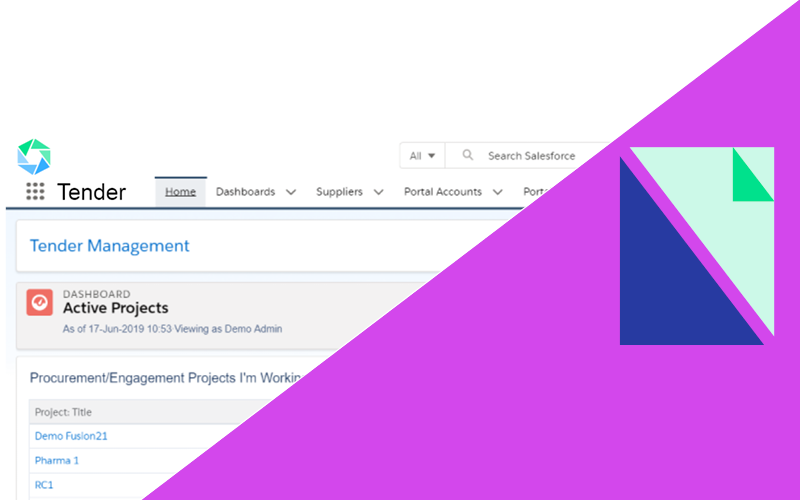 The Tender App allows your team to visualise all sourcing activities within your Atamis platform, from issuing tenders to receiving bids.
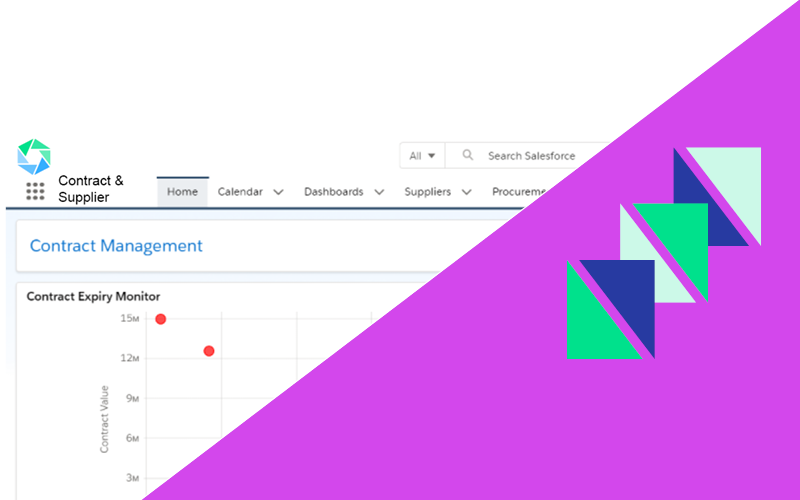 Our Contract & Supplier App puts your team in firm control of your key supplier relationships and provides a central repository for all contracts.
 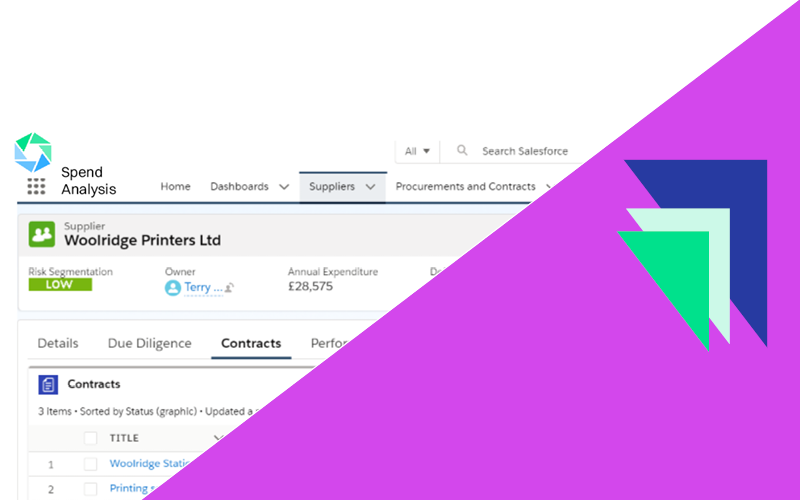 Our Enhancers ensure your solution is tailored to your needs. Pick and choose additional functionality that fits your requirements.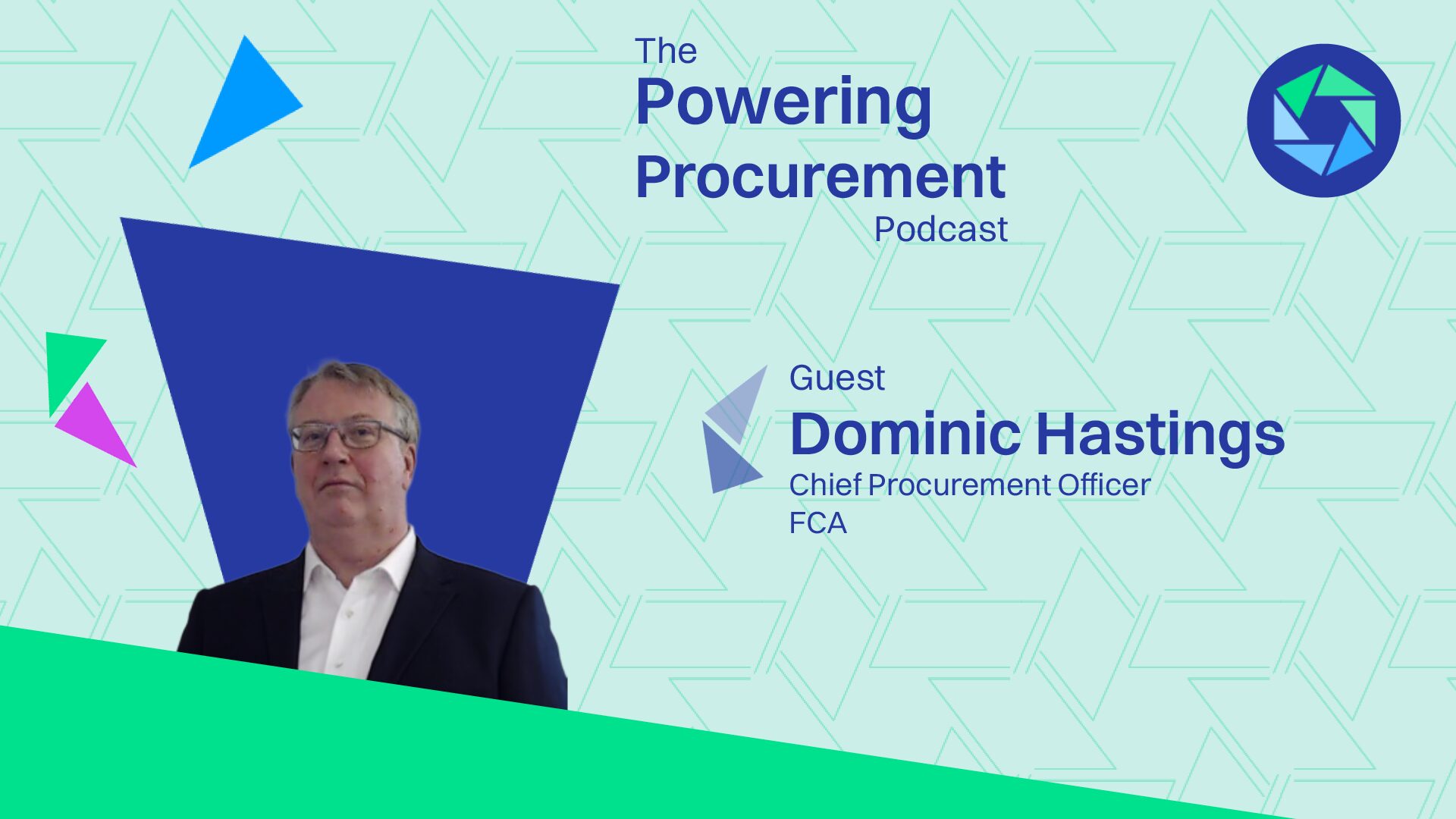
From Foreign Office t
On embracing AI: “I want to understand the world my children are going to be growing up in”
In this episode of Powering Procurement, host Sian Lloyd is joined by Dominic Hastings, Chief Procurement Officer at the Financial Conduct Authority (FCA).
With a career spanning public and private sectors – from the Foreign Office to NATS and now leading procurement at one of the UK’s most influential regulators – Dominic brings a wealth of experience in strategic sourcing, supplier management and team leadership.
Together, Sian and Dominic explore:
- How to build and sustain high-performing procurement teams in fast-changing environments
- What the UK’s procurement reform means in practice, and how to embrace the new freedoms
- The role of digital transformation in creating space for strategic impact
- Why procurement’s voice must be heard in the language of business, not just procurement
- The opportunities (and realities) of AI for procurement professionals today
From Oxford PPE graduate to global development, consultancy and now regulatory leadership, Dominic’s career is a testament to curiosity, adaptability and a passion for people. This conversation shines a light on why procurement remains such a rewarding and impactful profession.
Find on Spotify
Find on Apple Podcasts
Watch on YouTube
Learn more



Read The Full Episode Transcript
Read The Full Episode Transcript
But I think by keeping that focus on how are we adding value to the organisation, and that means it's the organisation's value, not what we may perceive and have learned earlier in our careers to be value. So remaining sort of agile to what the sense of direction is, is really important, but it'll always be a challenge and it wouldn't be fun if it wasn't a challenge. The Powering Procurement Podcast is brought to you by Atamis, source to contract software designed to save you time and money.

Hello, and welcome to Powering Procurement, a podcast by Atamis, where we unpack the world of procurement and supply chain management with the help of industry leaders. I'm your host, Sian Lloyd, and this is our resident expert, Gareth Birch. Hi, after 20 years in procurement, I may be billed as an expert, but believe me, I'm here to learn to.

Each episode, together with our expert guests, we'll dive into specific challenges and opportunities facing the procurement industry today. And we'll explore easy wins and longer term strategies to help you rise to the challenge of driving value through your work while showcasing the power of procurement. So let's get going.

Hello, everyone, and welcome back to Powering Procurement, a podcast by Atamis. Today, I'm thrilled to introduce Dominic Hastings, a highly respected leader in procurement with a stellar career spanning both public and private sectors. Dominic is currently the Chief Procurement Officer at the Financial Conduct Authority, where he oversees strategic sourcing and procurement initiatives for one of the UK's most influential financial regulators.

Prior to joining the FCA, Dominic served as Deputy Commercial Director at the Foreign Commonwealth and Development Office. He also spent many years at NATS, Britain's National Air Traffic Services provider. In his current role, team development is a core theme, and we're going to be talking about that later on the podcast.

And with extensive experience of procurement leadership in high stakes, regulated environments and a passion for procurement's ability to drive transformation, Dominic brings a wealth of experience in category management, supplier strategy and procurement innovation. Dominic, a very warm welcome to the podcast. Great to meet you.

Thank you, Sian. Very nice to meet you. I look forward to our conversation.

Absolutely. Lots to discuss in this podcast, but I'm going to start right at the beginning because we love to get a sense of who we're talking to on the podcast and really to find out a bit about who you are and your journey into procurement. Now, many of our guests tell us that they fell into procurement.

I know that you graduated from Oxford University with a degree in politics, philosophy and economics. Obviously not tempted to go into politics then. How did you get into procurement? Certainly not interested in the politics side, far more the economics, which is probably relevant to procurement.

Like many people you're mentioning, I certainly hadn't heard of procurement when I was at university and I fell into procurement, as you say, off the back of teaching English in Japan and accountancy. I've always had an interest in overseas travel, foreign cultures, etc. And I fell into procurement by way of... I saw an advert for an organisation called the Crown Agents who did overseas development.

I thought it looked really interesting. They were doing work with the Japanese government, who I'd previously worked for as a teacher. And I thought, well, I'll write to them and see if they've got any jobs.

I didn't realise they were a procurement organisation and I got a procurement job. And from there, I guess my career's developed. I mean, I think development's a regulated sector and so that gave me a really good base in the sort of fundamentals of procurement following a set process, which was a great start.

From there, returning to the UK, mainly I came back because I was starting a family and some of the places I was working weren't really right at that time to have a family. And so I went into procurement consultancy, an organisation called Proxima, where I worked for 10 years, starting out in cost reduction, but then very much moving into the new sort of field of procurement managed service solutions and developing those mainly in the financial sector relevant to my role at the moment with the FCA. I think consultancy, again, was a really good foundation block for me because I think key to procurement is being able to sell the value of it to your organisation.

And as most people know, consultants are always selling. If you're not actually winning the hearts and minds and selling the products you've got, you're not paying the bills. So I think that was a really useful step.

Thank you for sharing that with us, Dominic. And also, you know, the personal side of your story and your journey as well is, it's really interesting to hear because that is something that lots of people, well, it resonate with lots of people because we all like travel. Well, I certainly do.

And I did find that I worked abroad for a while and then certain things do bring you home. So thanks for sharing that with us and some of your journey into procurement. Obviously, in terms of your role now at the FCA, let's just paint a little bit of context for people because everyone will have heard of the FCA, but perhaps not really understand much about it from a procurement perspective, perhaps.

You know, what is the procurement function there? Can you paint a bit of a picture for us? Yes. The FCA is an organisation of about 5,000 people and we regulate over 40,000 firms. So data and that whole investigative and analytical side is very important.

And so a large part of our work is on the digital data and technology side. I've got a team of 30, half of whom work in the sort of technology space, procurement technology space. Other key areas are complex professional services involved in our reviews and investigations.

And then I'm responsible for the supplier management framework. Like in a lot of organisations, while procurement owns the framework, the business is responsible for undertaking contract management, et cetera. So building those close relationships across is really important.

I think one of the interesting things for me at the FCA is on the technology side, you know, apart from the vast amounts of data and work we do on that side, we regulate things like crypto assets, et cetera. And so we need to keep at the forefront of technology, which makes it a very interesting role. And lots for us to discuss, I think, some key themes coming out of what you were setting out there.

In terms of your function and your role, I mean, has it changed? Have there been big changes that you've seen or any particular challenges since you've been there with the role? I think when I came in, there'd been quite a lot of change in the organisation and also for the procurement function. They'd moved reporting lines, vacancies were at 30%, so everybody was quite overworked. Also with COVID hybrid working, rebuilding that sense of sort of team and being in the office was absolutely critical.

So making sure that we had regular face-to-face team meetings, away days, doing training together, et cetera, to get everybody back together. But also real focus in my first year on filling all of those vacancies, because I think everybody in procurement knows it's very difficult to find good people. It takes a lot of time.

So that was probably the sort of key focus, because until you've got a full team, everybody's going to be stretched and you can't focus on the next steps forward. Yeah, because a key factor or perhaps focus in your career has been people and developing teams. And I want to really dive straight into that because I think it's really interesting in particular to understand a little bit about your approach to that and certainly how you've developed it over the years.

I mean, how do you approach developing a team, especially when things are evolving so quickly in procurement? Yes. I think while things are evolving, I think a lot of the sort of basics are very much the same still. You need people who can build good relationships, good analytics, and curious, because every single procurement I've ever done is completely different.

So having that curiosity is important. So identifying, getting the right people, and then giving them the opportunity. And I think a key part of that opportunity is making sure that they've got the right tools and processes in place.

So we've invested quite a lot of time and got in support to build the right tools and the right processes so that people have got the foundations to build on. And then we've spent quite a bit of time doing soft skills training, supporting people with building that confidence to have difficult conversations with our business, with suppliers, and really focussing on that side. I think absolutely key for me is making sure everybody has a voice and is free to challenge.

My happiest time is when any of the team actually tell me that they don't think I'm right and we can have a discussion. And I think that really shows when you've got to a point where there is that challenge and confidence in the team. That's really refreshing and great to hear.

As part of this podcast, we're here to shine a light on procurement as a sector, as a profession. And as with many, we know that there are recruitment retention challenges. So in terms of building a team, I'm sure that that is something that you may have come up against in your career as well.

Is there anything particularly that you are looking for when you're thinking about longevity of a team as well and that ongoing development? I think, as I said, the fundamentals of that curiosity and drive don't change. I think one of the things that tend to, I think, when more and more people are doing is looking more at people's underlying capabilities as opposed to just the experience. Experience is important, but finding people from other walks of life.

There's a limited pool in procurement. So are there people from, I've had people from finance, from sales, and also other areas of operations. So I think being open to who's got the right capabilities around relationship building, that analytical side, et cetera, who can come in and help build that team.

Also, it's a question of that diversity of thought from people coming from different positions. And I think part of people coming in new, and there's a lot of talk about different generations and different ways of thinking. I think having teenage and young adult children, I'm used to that at home as well.

And so it's really important to understand where they're coming from. I think it was very different when I started my career. Certainly when I started as an accountant, probably my first six months were a glorified photocopier.

People are coming out of university looking to make an impact immediately. So trying to look for what skills or capabilities or experience that they got that they can bring, which maybe is a bit different. Do they have languages, an interest in AI, or environmental and sustainability? All of those things are important to the team.

And having people coming in with a sort of passion, as well as the general skills, I think is really important in building a diverse team, and then bringing people together so that everybody's learning from each other. I think a key thing that we have, as well as our team meetings and away days, is communities of practise, where we get people to come along and talk about their experience, share ideas. The one thing we're always saying is, you know, there's no bad question, there's no wrong question, and that everybody's voice should be respected, because then we all learn from each other and move forward.

Yeah, absolutely. I always think that I was tempted when I was younger to perhaps not ask that question. You know, you might think, oh, I'm going to look a bit silly asking it.

But generally, what I found afterwards was that a lot of other people were also thinking about that same question, so that then you do grow in confidence, particularly if you're encouraged to feel that you can use your voice and ask that question, that somebody else is going to be thinking of it. So that's really, really good advice. And in terms of something else we've been talking about quite a lot on the podcast as well, is procurement reform, a period of change.

We spent some time discussing this in the run-up to the changes, and now, you know, the changes are becoming a reality for public procurement teams. So it would be interesting to get some insight into how you and your team are approaching the changes. Yes.

You know, it's not just a plug, because we're on the Atomist podcast, but when I came in, Atomist was, I think, launched the week before I joined, and actually having an e-procurement system which was linked into government, the central digital platform, et cetera, has been really important, because we've built all of our processes into the system. As the new Procurement Act and regulations have come on board, we've tweaked things within the system, so we've got our processes reporting, et cetera, and really using a system has helped provide, you know, one side of that sort of journey forward, so that everybody's got those guide rails. The other thing we've done is spent and invested a lot of time in training, both the Cabinet Office training, but also additional training, and again, as I said, the communities of practise, to get people actually discussing what do they feel this means for them, where are the opportunities to try out the new freedoms, and we've picked a couple of significant early procurements under the reform, where we've got Cabinet Office support through the complex transactions team, so that we can take on that knowledge externally and learn, and then we've used those as examples for the rest of the team as to what are the potential opportunities, what can we learn, how can we take this forward in different ways, but I think also, like many people, it's all about sort of a calculated risk, looking at where are actually some of the easier opportunities that we can learn without taking too much risk, and where it's been more complex, as I say, looking to make sure we've got the right support around that, but also challenging ourselves in that way.

Yeah, because it's been quite interesting in terms of what I've seen as an outsider and just discussing it on the podcast, in terms of some of the priorities being brought in with the changes, in particular around a focus of opportunities for those, well, smaller suppliers as well, I don't know whether that is something that is relevant in terms of your field. Yes, I think our two main areas of spend, technology and niche professional services, in both of those areas, there's a lot of innovation in smaller organisations, so Keen, we set up two years ago a new digital services framework, over half of the suppliers on that are small and medium-sized enterprises, and we have an innovation forum built into that, so trying to get those ideas, which I think, particularly in the technology sector, yes, a lot of the ideas are coming out of the big organisations, but also there's a lot of niche players, and then in the professional services side, where we're looking at the type of investigative and review work that we do, there's a lot of smaller professional services organisations with those niche skills, so trying to look at making sure we're getting that diversity of thought and the real experts. And in terms of your priorities, I know that sort of you're a big advocate for digital transformation, having the right tools to do the right job, you know, how much can that actually influence and drive strategic change? I think probably what I'd say is, if you can get the digital transformation right, get set up right, as I say, we've got all of our processes, our governance, our reporting is now well set up, which provides a really good base, which then gives us the space to think more strategically, and how we're going to change.

So rather than spending time reinventing the wheel on each tender, and having to do a lot of the basics, those are all there, which gives us the opportunity both to look at the way we do things, the way we engage with both the suppliers and our stakeholders, and looking at those opportunities to be more strategic around areas of spend, etc, rather than, as I was saying, I don't know a procurement organisation I've worked with or near that isn't resource constrained. So by having that, you know, underpinning quality digital solution, then that really gives you the space to think more creatively and do more. And once you have implemented a tool, how do you ensure that you keep it working for you, and that it doesn't become something, a system perhaps, that people bypass? Yes, I think that's been a problem in the past.

I'd hope it's becoming less so, because tools are becoming more, you know, user-centric, easier, more intuitive to actually use. And the work we've done, and we have a community of practise around the Atomos system to make continuous improvements, making sure that we're getting stakeholder feedback, both from within our own team and users across the business, to look at, you know, are there ways that we can make this easier for the user? And I would think, you know, and actually people coming in from outside who've joined our team, the way we've got it set up now, it's easier to use the system than to not use the system. Also, I'm a fan of sort of keeping momentum through catalysts.

So we set up the system, then procurement reform came along about a year later, and so that was another change in the system, so another round of focus on it. And we will be looking at implementing some more of the supplier management, contract management into the system. So there's that constant sort of new things in the system to keep the interest.

On the other side of it, because we need to make sure we've got good reporting, control, and governance, we also do audits. The system is very good for providing us information. Where are things not happening? Have we published things late, which we need to do, etc.? And then it's coming back to individuals or teams and understanding why they haven't necessarily fully used the system, providing that support and that challenge.

Is there something we can do better, or do we need to sort of provide more support and learning? And thank you. Thanks, Dominic, for your insight there, and I think some great learnings from what you've just shared with us as well there. I'd just like to turn to looking perhaps at procurement's voice now, and something that I picked up from one of your earlier answers, really.

We've heard, actually, from quite a few of our contributors about procurement's voice. Perhaps it's not always heard at that top table in terms of strategic decision-making and being recognised on this, you know, procurement as being a backbone in an organisation. What's your take on that, and what insight can you share with us? Is that something that you've come up against in your career? Has it been a challenge? Has it changed? I think it's always a challenge, and I don't think it's ever going to change, but I think procurement's a little too fixated on this seat at the top table and not being heard, because that's a challenge for every function.

There's very little time at the executive level. They're covering so much, so many different challenges. So, I think it's about us selling our value better.

That's, you know, one of the things I said at the beginning. One of the things I've learnt through consultancy is having to constantly sell yourself, and we need to show that procurement can actually drive the mission and the vision of the organisation forward, and if we can speak the right language of the business rather than procurement language and highlight the value we add, and that value is constantly changing. You know, it may be risk and control is the focus.

It may be savings. It may be something else, and certainly my time at the Foreign Office with four different Foreign Secretaries and a major merger between the Foreign Office and the Department of Development, the focus of the organisation was constantly changing, so we needed to change what our focus was in line with that and make sure you're using the language of the organisation. So, I think it's not easy.

I probably made it sound a bit too easy, but I think by keeping that focus on how are we adding value to the organisation, and that means it's the organisation's value, not what we may perceive and have learnt earlier in our careers to be value. So, remaining sort of agile to what the sense of direction is, is really important, but it'll always be a challenge, and it wouldn't be fun if it wasn't a challenge. That's a great angle and a great perspective.

Thanks for sharing that one with us as well. Let's spend a few minutes talking about AI. I mean, you've been talking about the fact that, you know, tools are important to empower people.

We've heard about concerns about AI. I mean, how do you see AI, its role particularly, rather than automating away from people, is it enhancing people? What are the opportunities there? I always find it quite difficult because there's a lot of talk about AI and it's very easy to either sort of say nothing or say too much because nobody really knows where the future is, and I think being realistic is a good place to start. You know, we're using AI all of the time, all over the place.

I went to a talk about a year ago from an AI consultancy, and their main starting point was you probably used AI 10 times today already. You know, it is everywhere, so I think embracing that, not being scared of it, and I think there's quite a lot of relatively simple things we can be doing. We were talking yesterday about how finance and HR in our ERP system are going to be using AI for chatbots and stuff, so people can, you know, put in their expenses or whatever more easily, find the routes through.

So I think the same is true of procurement. There's a lot of things that we do which take a lot of time and don't add a lot of value, and so for most people are not particularly interesting. So finding a way to automate those and starting relatively simple, I think there's a couple of very interesting user cases that the Cabinet Office are doing.

One around reviewing statements of requirements. I think a lot of people in procurement find that the business doesn't necessarily write a statement of requirement as well as it might be for presenting to the market, so that you can get the best responses. So that's going to be looking at analysing how well it's written for that, not the technical side of it.

So I think that gives you a really good opportunity to get feedback, have a better discussion with the business, and get better solutions. It's something relatively simple, you know, and it could be quite a sort of game changer in those relationships. I think the other thing they're looking at is evaluations.

Could you have one of, you know, we normally have three evaluators in the public sector most places, one of the evaluators being AI and comparing that and all that that would add, and that would reduce, you know, your work on evaluation by a third. So I think simple things like that as starting points can add real value, give space to actually have better conversations with the organisation as to what they really require. Better conversations with the market as to what's out there, and take away some of the day-to-day less value add.

So for me, I think it's focussing on the areas which aren't value add, for most people are quite boring, and giving them extra space to do interesting things. I think the other thing as well is if you're not embracing AI, and as I was saying, you know, we were talking with HR and Finance, we're embracing AI, your credibility in the organisation is going to be questioned. It's everywhere, why aren't procurement looking at it? So I think it's a really important thing to be starting to look at.

Yeah, good advice because, you know, some people are sceptical, others are quite frankly fearful of it, but it's not standing still, is it? No, it's not going to stand still, and it's only going to get faster from both things that we hear. So I think getting started, like anything that you're fearful of, actually confronting that fear in an awful lot of cases, that actually helps you understand there's probably less to be fearful. I think the other thing, you know, in another conversation I was in, you know, the harm's going to find you from AI.

So actually at least if you're embracing the upside, there is a level of balance, otherwise you're not going to get the upside and you're still going to get hit by scams or whatever it is which, you know, AI on the negative side is delivering. I think the other thing, going back to the personal side, is I want to be able to understand the world that my children are going to be growing up in. So I think it's really important from that side as well.

Yeah, absolutely. Absolutely. Well, this does bring us to our final thoughts really on the podcast.

We've certainly covered a lot of ground in quite a short period of time and I think we've had some really great examples as well that you've shared with us Dominic, so thanks so much for that. But this is the time where we do ask our contributors to reflect on their career from that lens really, as I described earlier, that we really want to shine that light on procurement and perhaps encourage young people, you were talking about young people, just there to enter this sector, to think about it as a career. So we like to ask, you know, looking back on everything that you've achieved so far, and you've certainly achieved a lot, why are you happy that you have gone into procurement and stayed in procurement as a career so far anyway? I've definitely enjoyed it and I don't regret that and I think probably if I look at the underlying things which I enjoy, I enjoy relationships with people.

You know, procurement is all about relationships, relationships with stakeholders inside your organisations and suppliers outside of your organisations. I've built relationships and learnt from people all around the world which has been absolutely fascinating and seeing different ways of looking at things, but also building some great friendships. So I think the people side's really important, also variety, variety is important to me and I don't think two days are the same.

The range of things that I've bought just, you know, it spans everything and there's those opportunities, so no two days are the same, which for me is really important. And then the other side, making a real impact. I think the most organisations at the heart of their mission and delivering that mission is going to be an awful lot of bought-in products and services.

So getting that right and as those markets are evolving, as we said, in different directions and getting the best things bought in, you're making a real impact on the mission of your organisation and quite often on, you know, an impact in wider communities as well. So, you know, having an impact as well is really important. So I think those three things, that sort of, the people side and make great relationships, variety and making an impact.

Well, thank you. You've certainly given it a great sell during the podcast and I think really what struck me, Dominic, that's come through in many of your answers have been a thread really that's run through the whole conversation is about your interest in people, in teams and the power of people actually within procurement as well and within driving change. So thank you so much for sharing your insights with us today.

We've absolutely loved having you on the podcast and if you've enjoyed the conversation, don't forget to check out our other podcasts and to follow us. But that's all for now and we hope to see you very soon on our next episode of Powering Procurement. Thank you very much, Sian.

Really enjoyed it. That wraps up this episode of Powering Procurement. We hope you enjoyed that as much as we did.

Visit our website at atamist.co.uk or follow us on LinkedIn to continue the conversation. Remember to subscribe on YouTube and follow us on Spotify, Apple Podcasts or wherever you choose to listen. Thanks for joining us and see you next time on Powering Procurement.