
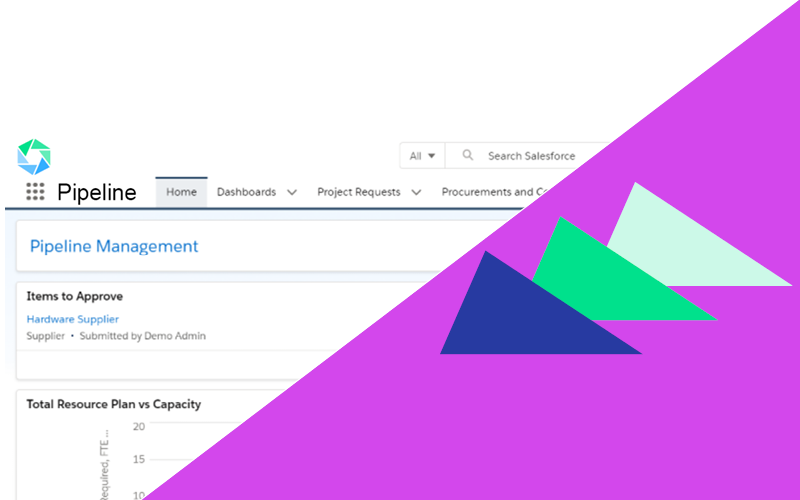
 Our Pipeline App empowers your team to plan ahead and forecast for upcoming procurement activities.
 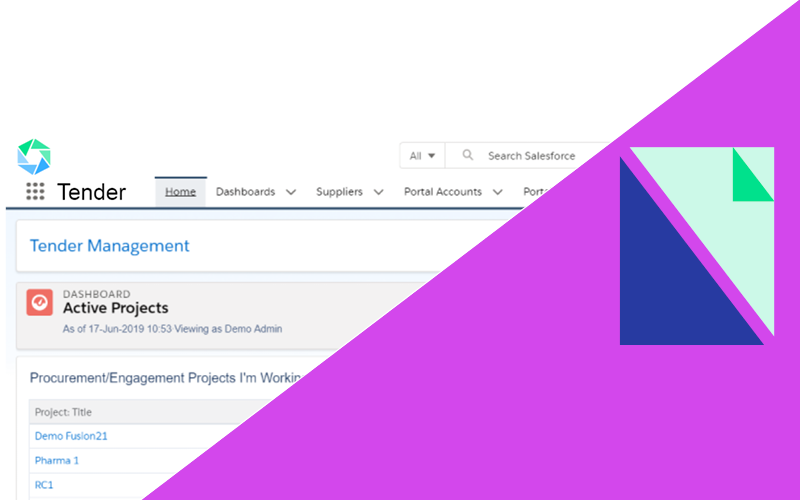 The Tender App allows your team to visualise all sourcing activities within your Atamis platform, from issuing tenders to receiving bids.
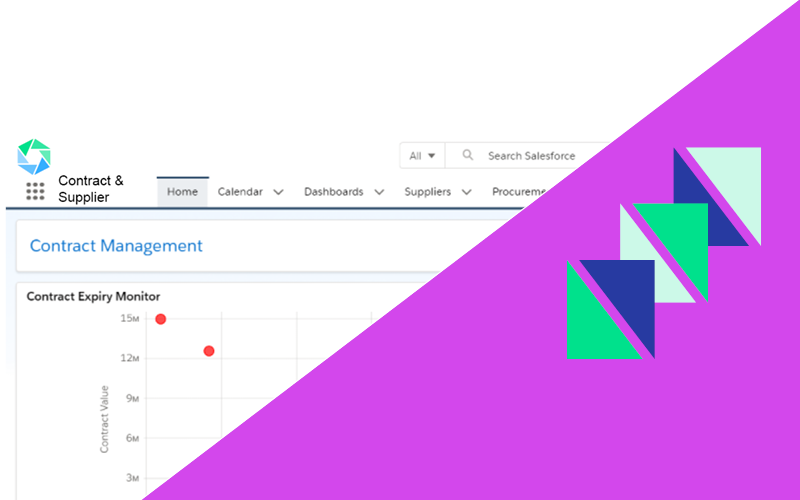 Our Contract & Supplier App puts your team in firm control of your key supplier relationships and provides a central repository for all contracts.
 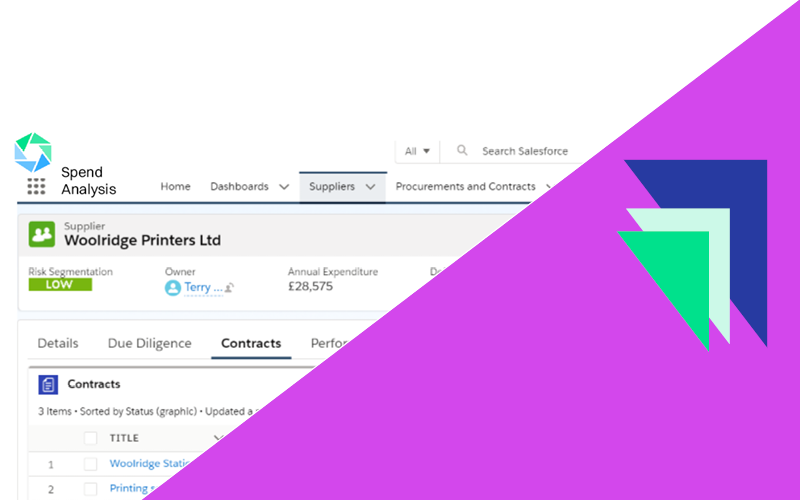 Our Enhancers ensure your solution is tailored to your needs. Pick and choose additional functionality that fits your requirements.
“How do we bring innovation through? Because that’s how any organisation progresses“
In this episode of Powering Procurement, host Sian Lloyd is joined by Paula Corfield, Senior Procurement Manager at Monmouthshire Building Society. With more than 20 years of experience spanning manufacturing, infrastructure, policing and finance, Paula has led procurement through complex change, cultural transformation and strategy development across multiple sectors.
Together, Sian and Paula explore:
- How public-sector experience shaped Paula’s leadership and values
- The vital role of social value and community impact in both public and private procurement
- Breaking down barriers and building trust across teams and suppliers
- The importance of communication, adaptability and emotional intelligence in leading change
- Encouraging more women into senior procurement roles through mentoring and visibility
Candid, inspiring and full of practical insights, this conversation shines a light on the human side of procurement – from resilience and leadership to purpose and progress.
Find on Spotify
Find on Apple Podcasts
Watch on YouTube
Learn more



Full episode transcript
Full episode transcript
I think for me, when I initially came to the organisation, it's about meeting with all your real colleagues and really understanding and breaking down any barriers to procurement. Certain organisations, colleagues see procurement as very much as a barrier, they just want to go to the normal suppliers, don't want to go through a whole process, but it's really getting to know the person, breaking down the barriers and understanding why they think they shouldn't have to go through that process. And part of that is having a really good session and talking to them and adapting your language to them as well, because everybody interprets things in very different ways.

So for me, it's been a really key thing to get to know colleagues in the right way. The Powering Procurement podcast is brought to you by Atomos, source to contract software designed to save you time and money. Hello, and welcome to Powering Procurement, a podcast by Atomos, where we unpack the world of procurement and supply chain management with the help of industry leaders.

I'm your host, Sian Lloyd, and this is our resident expert, Gareth Birch. Hi, after 20 years in procurement, I may be billed as an expert, but believe me, I'm here to learn to. Each episode, together with our expert guests, we'll dive into specific challenges and opportunities facing the procurement industry today.

And we'll explore easy wins and longer term strategies to help you rise to the challenge of driving value through your work while showcasing the power of procurement. So let's get going. Hello, everyone, and welcome to Powering Procurement, a podcast by Atomos.

Today's guest has enjoyed a rich and varied career in procurement, with more than two decades of experience spanning policing, housing, infrastructure, financial services, and more. Paula Caulfield is currently Senior Procurement Manager at Monmouthshire Building Society, where she's leading procurement strategy and driving value through supplier relationships, business process design, and culture change. She's worked across a wide range of organisations from Nippon Electric Glass to Gwent Police, where she's worked within and then eventually led their procurement function for more than 12 years, right through to her current role in financial services.

So Paula brings with her a wealth of experience in leadership, cross-functional collaboration, and navigating complex procurement environments. Paula, a very warm welcome to the podcast. Thank you.

And it's really nice to be here as well. Well, I'm really looking forward to speaking with you and learning more about your fantastic journey and your career to date. But we'll begin at the beginning, which we quite often like to do, and just to find out a little bit more about you really, and particularly what drew you into procurement.

It's been quite a common theme with a lot of our guests that they somehow fell into it, but it'd be great to hear from your perspective. Yeah, so a long time ago. It's been a really, really exciting journey, but I first fell into it very much like everybody else.

It wasn't a career that I chose to do. I started off as an administrator for a food manufacturer, and part of that function and that role was really to manage suppliers, so making sure that deliveries were on time and products could go out the door on time. And it sort of grew from there.

There was an opportunity to move to a procurement sort of assistant role. They thought I'd be perfect for it with my sort of attention to detail and making sure that deliveries were on time. So I took the opportunity, and it's been a fantastic journey since then, really.

Well, it's great to hear that you enjoy it so much, and you had that really positive experience and some nurturing, perhaps, from the start, people realising where your skills, where your strengths lay, and then following on from that journey, because you've been involved in manufacturing, infrastructure, financial services. If you were to sort of delve into some of those, would you say there have been specific experiences or moments or sectors that perhaps shaped your approach to procurement today? I definitely think that public sector procurement has shaped my approach. Obviously, it's taxpayers' money.

We have to make sure that the services are there, public services are available. Unfortunately, when people need the police, it's normally in really difficult circumstances. So for me, really, the joy was making sure that I could give officers and staff the right equipment to go out and do the role and protect themselves and protect the public as well.

So I think that's really shaped how I've dealt with procurement, working within the public contracts regulations as well, really exciting, very process-driven. So it's the way that I work, very methodically. But I think that out of all of the roles that I've held, that is the one that has shaped and developed me in the right way, personally and professionally.

Yeah, I have to say, during my career in journalism, I've worked quite closely with the police, obviously, over the years and seen very first-hand the great variety of jobs, equipment, services that they provide even, and obviously the impact that can have on people. And what I'm sensing from you is that you really were feeling that responsibility as well, Paula. Absolutely.

For me, in any role that I do, procurement brings so much to the table, we can really add that value. It's all about driving innovation through all of the processes that we run, and social value is really, really key for me as well, and making sure that we're supporting all our communities. And it's not just public sector procurement, but actually the private sector as well is thinking a lot more about social value, sustainability, and how we can bring those through into the organisation to deliver services that are fit for our communities and support the communities as well.

That's really interesting to hear, because you have this wealth of experience from across the public sector, the private sector. Now, it's interesting to ask you really about sharing whether you saw that there were any differences, but it sounds as though that there are some common themes, obviously, you're interested in and need to develop social value and social impact being important to you. How do you do that? But also, perhaps, it would be interesting to reflect on whether you do see that there are different challenges and ways of working as well.

So, definitely different challenges across public and private sector. You know, from a high-level view, private sector is very much about driving efficiencies and making profit. Public sector is very much about supporting your communities.

And for me, social value really sits at the heart of procurement, because it is about delivering those services that communities need and doing it in the right way as well. Public sector, you get to involve in certain contracts, you know, members of the public or members who sit on committees. So, you're actually getting different viewpoints.

So, it's not just a case of developing a specification, this is what we need. It's engaging with those communities to make sure that the services are fit for purpose. And in terms of your role now with Monmouthshire Building Society, tell us a little bit about that and about the organisation and how you approach things there.

So, I've been with the society for just over three years. It's been a steep learning curve, as any other sector is. We've got different regulations that we need to adhere to.

But I think that's the exciting challenge as well, is how can we deliver contracts in the best way? How do we make sure our members are getting the services that they need? And how do we bring innovation through? Because that's how, you know, any organisation progresses. You know, for me, procurement has an awful lot to offer. It is not just about getting lowest price, but it is getting value for money.

And that golden thread that runs right through the whole process, through to evaluation and contract. And also building up those really, really strong relationships with our suppliers as well. It's all about partnerships, as opposed to being very adversarial about, you know, customer and supplier.

Building partnerships so you can develop together. And also making sure that you give those opportunities to SMEs where it's appropriate to do so. Yeah, and that's really interesting and something, obviously, that we've been speaking about during the podcast series, and particularly the first series in the run-up to the changes in legislation as well.

So interesting what you're saying about, you know, involving those SMEs. It's not just about working with big suppliers. Yeah, it's supporting, for me, very much a case of how do we give back to those communities? How do we keep money in the local economy? Because that's going to support our members who are local as well.

Fantastic. Well, thanks for sharing that with us. It's really interesting to hear the journey so far.

And I know we've come right up to date to your new job. So I'm going to just track back a little bit now to talk a bit more about your time with Gwent Police. And to tell us a little bit about, you know, that time, was it a time of change? Was there pressures or challenges that you were particularly facing at that period of time in that role? So really, really fortunate to have worked with the police for 12 years.

And during that time, I was promoted on two occasions. So it's quite nice that I started as an assistant to really get a good grinding of how the force operates, all of the internal policies, procedures, and externally as well. I was then promoted to procurement officer, so deputy head, a supporting head of procurement at the time.

And again, learning about, from a professional perspective, how the organisation operates at a strategic level, but also developing my personal skills. And it's really interesting, actually, because moving from one position to another, and then into the head of role, you get very different leadership challenges. And they're not always easy to deal with.

But you just work through them to make sure that everybody, all the colleagues involved are on the same page. It was difficult, I have to say, taking that step up. But for me, it was all about personally, how could I develop myself as well as professionally.

And I think emotional intelligence has played a huge part of that, being self-aware of the actions that I'm taking and of the actions of the colleagues as well, breaking down those really strong barriers of why they don't want to engage. So a whole new learning process for me, but I've thoroughly enjoyed it. Yeah, I mean, so did you find, how did you find it overall? Were there then certain go-tos that you could rely on? Or were you finding that it was, you were effectively having to break some new ground as well? So I think it was breaking new ground, certainly from my perspective.

It took various leadership courses to make sure that I had the right skills and the right tools to be able to deal with those challenges. But also making the team aware that, you know, the door was always open, we'd have those open discussions. If they had an issue, they could always come and talk to me about it.

Because ultimately, you need to collaborate, you need to work as a team to be able to deliver to meet the overall strategic objectives. So yeah, challenging, but exciting times. Yeah, that's great to hear.

I'm sure it was a very, very busy time as well for you because a time of change. And obviously, we know in the news, it seems to be constant time for financial constraints, particularly on all police forces that they go through. So, you know, did that period particularly teach you anything around resilience, leadership in procurement that you've taken with you? And you said at the start that you felt that this period of time really did help shape you? Yeah, so this, you know, for want of a better word, there's always chaos around you.

And I think for me, the thing that I've really learned to be resilient, but also to portray calmness when you're talking to colleagues who are going through change at really difficult time, whilst internally, you may feel chaotic. It's about being calm, being available, always listening. You know, those are the really key skills.

And again, being self-aware that my actions have a direct impact on team members. And in terms of the procurement function sitting within a police force, you know, the public see the police, don't they? The police, there's nothing more visible, I think, than, you know, sort of policing as a job, because we see police officers in our communities in lots of different ways. But the procurement function is obviously something that is really behind closed doors for the rest of us, isn't it? That we just certainly, you know, we don't get behind the curtain into that world.

How do you describe the actual procurement function within that type of setup? Because, you know, we sometimes hear that it's not thought the procurement has a big enough voice, really, sort of at that top table sometimes. But how did it, how does the function sit within the structures that you've just been describing? So for me, I was really fortunate to have really good chief officers who understood, you know, the wealth of experience the procurement could bring. And really fortunate that procurement did have a voice at the top table.

So I sat on a majority of projects and committees. So that voice was heard as well. But it really goes back to actually, if you've got really, really good line managers that support you, then that makes the job so much easier.

And that's what you try to instil into your staff as well. Always be there to support, irrespective of an outcome of a procurement process, just supporting them when they need it. And I suppose people understanding really the why, you know, why things have to be done in certain ways as well.

Yes, definitely. It takes longer to circumvent a process than it does to actually follow it. Yeah, that's something we've heard quite a lot about.

Obviously, you're not alone in saying that, Paula, I can tell you. And looking a little bit broader, and in terms of perhaps the leadership landscape in procurement, obviously, I would want to chat a bit more about your current role and within the financial sector as well. But just generally, it's been really interesting for us to shine a spotlight on procurement, you know, as a profession on the sector in this podcast, and really, you know, to get behind some of the different roles.

And we've certainly seen a huge variety of different roles in procurement through the guests that we've been talking to. But in terms of the landscape, something that has, you know, become apparent, which is generally known, that women in leadership roles, you know, it's about what I think it's one in four that the figures were for 2024, women holding leadership roles in procurement in the UK, with a similar story globally, you know, obviously, you are a senior leader in procurement, you know, what's your take on that? And, and it'd be really interesting to hear a little bit about your experience within that context, you know, throughout your career, really. So, I've been really fortunate in terms of public procurement, there doesn't seem to be the difference between, you know, females or males within that senior leadership role.

So I've always been really supported, I think where it was most evident for me was definitely a manufacturing is very much a man's, or it used to be very much a man's world. And that made it quite difficult to get on. But over the last 10, 12 years or so, there's certainly been a change in people's attitudes, for want of a better word.

So I've never really, really fortunately had that issue, where there's been a male and myself going for the same role, it's always been based on skills and experience. And I think moving forward, that's the way it should be, if we can do the role, if we're experienced, we got the qualifications to do so, then that's male female really shouldn't, we shouldn't come into decision making at all. No, absolutely.

And it's, you know, great to hear that you've had the positive experience. And I suppose actually, Paula, you know, like other female senior leaders, trailblazing in effect yourself and in these roles, then other young women see that coming through. And that's going to be inspiring and encouraging to them.

It is. And I've done quite a bit of mentoring since I've been in procurement. And I think for me, there's nothing better than seeing somebody grow into a procurement role, when they've started off, never wanting to go into the career, very much like myself, where you just fall into it.

But now actually seeing them thrive as well, it's, that is the most rewarding bit of the role. Now, that's absolutely great, because mentoring can be, as you say, a hugely rewarding experience for the mentor and absolutely invaluable, can't it for the mentee, because it's that safe space that they can ask questions that they may not necessarily sometimes always want to in a different environment. So it's such a valuable thing to do and to give your time to, I mean, if there were young women listening to the podcast, is there any advice that you'd give them, for example? I think just learn as much as you can, just, you know, speak to experienced people in procurement, really sponge off them, all of the knowledge, the skills, the experience that they've learned.

And, you know, everybody's journey is very, very different, you know, and we all deal with things in different ways. But I think if you're armed with all of that knowledge, it gives you the tools to, and skills to be able to, to progress. But I think, you know, for me, procurement has been an absolutely fantastic career.

Brilliant. Well, that's great to hear. And we'll get some final reflections and thoughts over that career, but later in the podcast.

But right now, focussing on your current role, so with Monmouthshire Building Society, it'd be great to hear about some of the key focus areas that you have now, when it comes to driving forward procurement strategy there. I mean, exciting times, I'm sure. You've been in the role now a few years.

How's it going? And what are those sort of key priority areas for you? So when I first started in 2022, the new legislation came in for Building Society. So it's been a very steep learning curve for not only myself to learn how financial organisations operate, but also for colleagues, the set processes that we need to follow. Very steep learning curve.

And we're at the stage now where I developed the procurement strategy and started to drive that forward. I think, for me, it's all about making sure that you take colleagues on that journey with you, whenever possible, when you're drafting strategies, get them involved as well, because then they feel that they're part of the solution, as opposed to being part of our problem. So driving forward, for me, communication, absolutely key.

Taking on board feedback, positive and negative, and building that into your strategy and taking it forward, and making sure it aligns to the overall strategy of the organisation. And in terms of, obviously, you've been going through this period of developing the strategy, working with the team on that, what will excellent look like following this strategy? What's the measurement of success for you? Because it takes a lot of time to come up with a strategy, doesn't it? It's not something you do overnight. And the success doesn't come overnight.

But what are you working towards there? So for me, it's taking on board the principles of the Future Generation Act in Wales, and how we can support our SMEs going back to the social value, which are passionate about making sure that we engage with our SMEs, we do meet the buyer sessions, we provide support, if we're going through a tender process, that gives them the tools to be able to bid for the work. Because I think sometimes, you know, we've got companies who are very, very small, they're quite reluctant to do that, but they're missing out on a really good opportunity. So success really would be to get as many SMEs on board as possible.

And interesting what you say about the legislation here in Wales, the Wellbeing Future Generations Act, which actually is in its 10th year, its 10th anniversary, this year of that legislation being introduced, and then something really unique when it came in to Wales, you know, and obviously, this podcast will be listened to and is being listened to by people right across the UK, which I think, you know, it obviously demonstrates that in terms of devolution and different requirements, that obviously, creates an impact and is part of your considerations. Absolutely. Obviously, being private sector organisation, we don't need to adhere to certain legislation.

But I think for me, you shouldn't just be doing the bare minimum, it is about how do you adopt best practise? How do you adopt it to the organisation you're with? And for me, that's a really, really quick win for the society. Great. Well, great to hear about that and the work you're doing on it.

You mentioned also there about communication skills, strong communication skills being absolutely key. We've heard a lot about that it's really a required skill set and also one that's very required for sales as well, and we've heard in some of our podcasts, this sort of particular talk about that, how would you say that you developed this skill and worked to develop the skill over time? And just how key is it and has it been to you? So it's absolutely been key. I think for me, when I initially came to the organisation, it's about meeting with all your real colleagues, and really understanding and breaking down any barriers to procurement.

Certain organisations, colleagues see procurement as a very much as a barrier, they just want to go to the normal suppliers, don't want to go through a whole process. But it's really getting to know the person, breaking down the barriers, and understanding why they think they shouldn't have to go through that process. And part of that is having a really good session or talking to them and adapting your language to them as well, because everybody interprets things in very different ways.

So for me, it's been a really key thing to get to know colleagues in the right way. That's really interesting in terms of then wider communication with other partners or collaborators, stakeholders, you know, communication is at the heart of everything, isn't it? And it can be hugely powerful. When you were saying about breaking down barriers, just, you know, how entrenched has that been? And how have you found that that progress really, through the communication, because obviously, you need the skill, and you mentioned speaking to people in the right way, taking them with you, but what's been the broader piece there? So I think for me, it's taken a time, it's not a very quick win.

You have to build trust, you have to build relationships. And people, you know, if you do what you say you're going to do, at the time you're going to do it, that starts to build that trust and relationship between, you know, each party. It's hugely important.

We can't, you know, communication skills are really, really important to be able to work within a procurement. Procurement sits across the whole of the organisation. And it's, it could be that one department is going off and procuring something, but you're also got one site on somebody else is trying to do the same.

So it's collaborating with everybody, making sure everybody's aware of what's going on across the society, and where possible, just bringing them together to have those really good conversations. I mean, do you think it is it really is the backbone of an organisation procurement? Selfishly? Yes, I do. You can be selfish, that's fine.

We're a procurement podcast. I think absolutely, I don't think every organisation is so good at putting procurement at the front. And I think there's still a lot of work to be done.

But we make a huge impact into any organisation that we work with. Absolutely. And you are then, you know, communicating and getting that message across.

And just switching tack a little bit then and talking now about perhaps culture change. That I understand has been quite a recurring theme in your career. You've spoken a little bit about it already.

But I mean, do you think that procurement professionals do quite often find themselves really just at the heart of change, inevitably, I suppose, because of because of their job? And how do you then go about that managing that and not just managing it, but managing it effectively as well? So it's really bringing some I thought that subscales, isn't it? The emotional intelligence, the self-awareness, supporting colleagues when they're going through difficult times. You know, change has a dramatic impact on somebody's life, especially where, you know, staffing levels are being reduced. It's also providing that support.

And I've gone through very numerous transformation phases. And it is about taking people on the journey, making sure they're aware of what the outcome needs to be and what their role, what role they play in having to do that as well. And I think if you take them on the journey, you get them involved, it makes it slightly easier.

We all go through the change curve when everything's happening. Some people are quicker at going through it than others. But it is procurement is the heart of change, because obviously, we're running the procurement processes, subjugation, transformation, you're thinking about things, doing things differently.

It's difficult for everybody, isn't it? Yeah. So I mean, you were talking about a lot of different skills needed, not just for the job, but certainly in the situation you've just been describing there, particularly around change that's affecting individuals. But if you were looking broader at picking just one skill set that you would prioritise, or would say perhaps has been the most crucial throughout your career in procurement, is there one that you could just narrow it down to one skill set that you think has been absolutely vital? It's difficult just to choose one, isn't it? It's all about honesty and integrity.

But just choosing one, I think it's got to be, you've got to be adaptable. You've got to be able to understand where the organisation needs to be, why the transformation is happening, and making sure that you absolutely through your procurement process is doing the best that you can to achieve that successful outcome. It's been absolutely fascinating and hugely insightful looking back at your career.

And thank you for sharing so much with us so far, Paula. But of course, you are not retiring anytime soon, we know that much. What were your priorities now going forward? And how are you looking forward to the next phase? So for me, it's always continuous learning.

It's, you know, we've got AI coming on board, and how that can impact procurement processes. And it's making sure that I'm up to date. I am chartered.

So part of that charter is to make sure that you professionally kept up to date with things that are going on. So for me, it's coming up to really exciting times, especially in procurement, to see how things could change and what impact or what value I can actually bring to that as well. That's great.

That's great to hear. And in terms of the ongoing learning, and AI, obviously, something which is a focus for all of us really in professional and in personal lives, you touched on it there. I mean, is this something that you are seeing as an opportunity? Is it something that you have any concerns about? You know, what would you say your sort of current status is towards that? For me, I think there's opportunities.

I think it needs to be carefully considered how within an organisation you use AI. It's the future, isn't it? You know, we're just at the start of that journey within the society. It's going to be developing.

But it's exciting to see how that can impact procurement. Yeah, absolutely. I think that's, you know, what a lot of people are telling us that they're looking forward to exciting times.

But I guess it's that sort of pace of change, which can be unnerving to some people, certainly. Yes, absolutely. And I think, you know, for procurement teams, it's really key for managers to make sure that they're supported as well.

Because your first thoughts is really how is this going to impact my role? But I think we need to see it as positive as opposed to it's going to replace us. Yeah, absolutely. Well, thank you for sharing that thought with us, which actually brings us nicely towards the end of our conversation with certain themes absolutely having come to the fore.

But for our final question, which really draws it all together, we've certainly spoken about mentoring and about encouraging women into this field. But more broadly, of course, we are shining that light generally on procurement as a profession, and attracting new talent as well to the sector. So it's very, very important to amplify procurement as an industry and in fact, to celebrate it and all that it can bring and the impact that it can have, certainly a varied sector with very many varied careers.

And that's really been a big takeaway for me, Paul, or I have to say from the different contributors we've had on the podcast. But our question for you is, looking back at everything so far, why are you pleased that you did fall into procurement and that you certainly stuck with it as well? For me, it's been a huge, learning curve. I've developed professionally and personally, no two days are the same.

You know, you could be dealing with an IT contract one day, something very, very different, like marketing or HR the following day. And it's that change, which keeps me really excited. I think if I was doing the same job every day, day in, day out, it's for me that that wouldn't be enough.

It's about how can I push myself professionally and personally constantly. So really excited to what the next five years, six years looks like, especially with AI coming on board. So yeah, it's just a really, really exciting time to be in procurement.

Well, it's great to end on that positive note. Thanks for sharing so much with us. Hope we've covered everything that you would like to on the podcast.

I don't know if there's anything that you'd like to add. I don't think there is anything, but thank you. And it's been really, really nice talking to you.

Well, that's great to hear. It's been a fantastic conversation. Lovely to get to know you a little bit.

Certainly feel that we've been on your journey with you through your career to date in procurement. Thanks for sharing it with us. And to everybody who's listening to the podcast, we'll be back with our next Powering Procurement.

So don't forget to tune in and you can check out our previous episodes too. That wraps up this episode of Powering Procurement. We hope you enjoyed that as much as we did.

Visit our website at atomist.co.uk or follow us on LinkedIn to continue the conversation. Remember to subscribe on YouTube and follow us on Spotify, Apple Podcasts, or wherever you choose to listen. Thanks for joining us and see you next time on Powering Procurement.