
 Atamis’ end-to-end solution is built to target your specific pain points and drive efficiencies.
 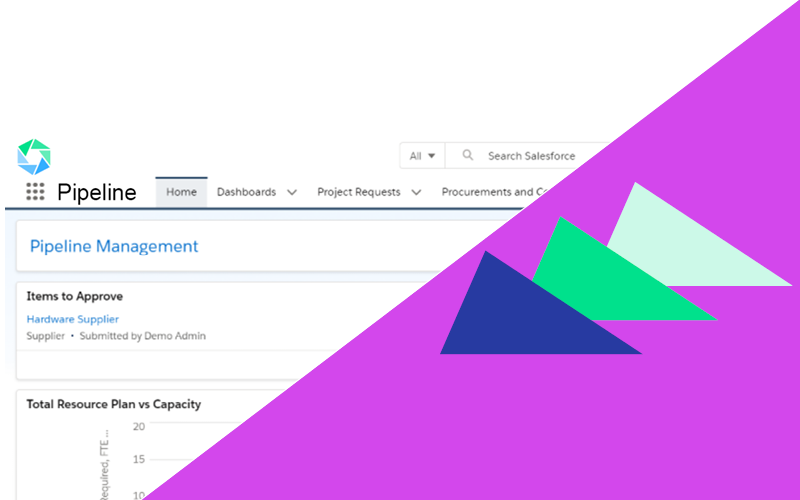 Our Pipeline App empowers your team to plan ahead and forecast for upcoming procurement activities.
 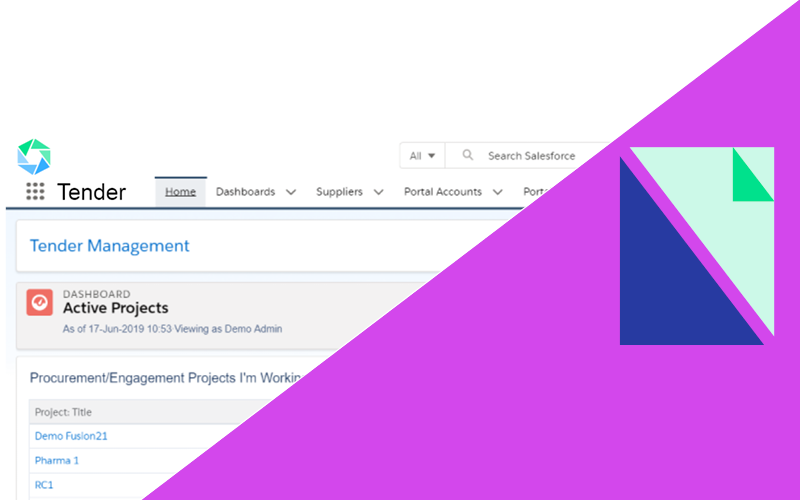 The Tender App allows your team to visualise all sourcing activities within your Atamis platform, from issuing tenders to receiving bids.
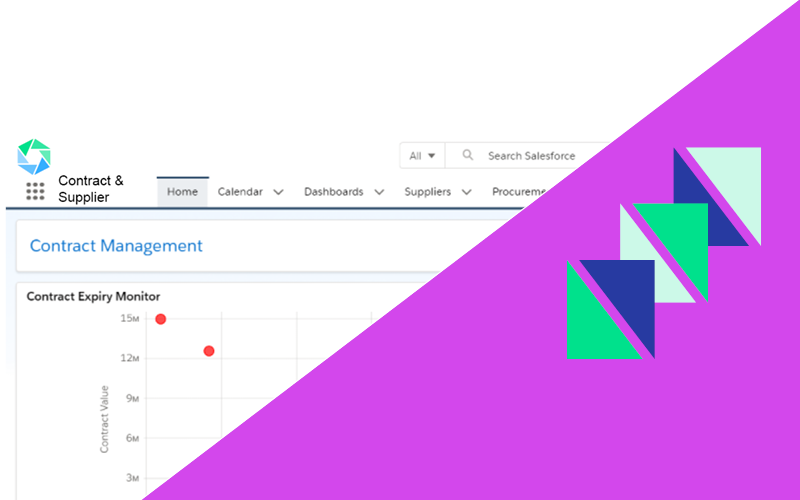 Our Contract & Supplier App puts your team in firm control of your key supplier relationships and provides a central repository for all contracts.
 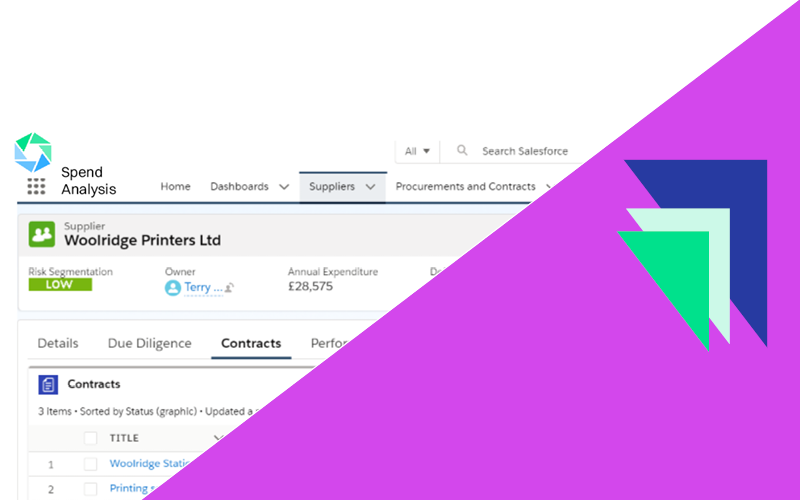 Our Enhancers ensure your solution is tailored to your needs. Pick and choose additional functionality that fits your requirements.

For many public sector procurement teams, basic sourcing tools solve an immediate problem.
They help digitise tendering activity, centralise supplier responses and reduce some of the manual administration associated with procurement exercises.
At first, that feels like progress.
And for smaller organisations or low procurement volumes, lightweight sourcing platforms can absolutely provide value.
But over time, many public sector teams discover the same thing:
The problem was never just running tenders.
The real challenge is managing procurement activity across the full lifecycle:
- planning procurement early
- maintaining governance
- managing supplier relationships
- tracking contracts
- ensuring compliance
- and providing meaningful visibility across the organisation
That’s the point where basic sourcing tools start to break down.
And increasingly, public sector organisations across the UK and Ireland are reaching that point much faster than they expected.
Why public sector procurement has changed
Public procurement is no longer purely operational.
Today’s procurement teams are expected to:
- demonstrate compliance
- improve transparency
- support social value delivery
- manage supplier risk
- provide strategic reporting
- and engage earlier with stakeholders
At the same time, procurement teams are often:
- under-resourced
- managing growing workloads
- operating across multiple departments
- and working with fragmented systems
This creates a critical gap.
Because while many public sector sourcing tools can manage the sourcing event itself, relatively few support the wider governance and visibility requirements modern procurement functions now face.
That distinction matters.
The hidden scaling problem with basic sourcing tools
Most sourcing platforms work well when procurement activity is relatively simple:
- a manageable number of tenders
- limited governance layers
- low reporting complexity
- standalone procurement exercises
The problems start when procurement becomes interconnected.
This usually happens gradually.
At first, teams notice:
- more spreadsheets appearing
- more manual reporting
- more duplicated data
- more approval bottlenecks
- more contract visibility gaps
Then suddenly, procurement teams realise they are managing critical processes outside the system entirely.
That is the moment basic sourcing tools stop being enough.
Atamis is trusted by






7 signs your organisation has outgrown basic sourcing tools
1. Procurement planning happens outside the platform
This is one of the clearest warning signs.
If procurement pipelines are managed in:
- spreadsheets
- emails
- PowerPoint reports
- or disconnected planning documents
…your sourcing platform is no longer supporting the full procurement lifecycle.
Modern procurement requires earlier visibility into:
- upcoming renewals
- future sourcing activity
- resource planning
- governance timelines
- and procurement prioritisation
Without integrated planning capability, procurement becomes reactive.
That increases risk.
2. Contract management is disconnected from sourcing
Many organisations still use standalone sourcing tools combined with:
- shared drives
- contract registers
- or separate contract management systems
This creates fragmented procurement visibility.
Procurement teams struggle to answer simple questions like:
- Which contracts are expiring?
- Which suppliers are linked to active sourcing activity?
- What obligations are approaching?
- Where are governance risks emerging?
Strong contract management capability should connect directly into sourcing and supplier oversight.
If it doesn’t, procurement teams spend significant time manually reconciling information.
3. Reporting requires manual workarounds
Public sector organisations face increasing reporting obligations around:
- procurement activity
- compliance
- supplier performance
- social value
- governance
- and spend visibility
If reporting requires:
- manual spreadsheet consolidation
- exporting data from multiple systems
- or significant admin effort
…the platform is no longer scaling effectively.
Modern procurement software should provide real-time visibility across the procurement lifecycle, not just sourcing events.
4. Governance is managed through email chains
As procurement activity grows, governance complexity grows with it.
Different approvals, delegated authorities, legal reviews and finance sign-offs become harder to coordinate manually.
If your organisation relies heavily on:
- email approvals
- offline governance tracking
- manual audit evidence gathering
…it is likely the sourcing platform lacks the governance controls required for modern public sector procurement.
This becomes particularly important under evolving procurement legislation and audit expectations.
5. Supplier management is fragmented
Supplier oversight is now a major part of public procurement risk management.
But many basic sourcing tools offer limited supplier management capability beyond the tender itself.
That creates gaps around:
- supplier documentation
- performance monitoring
- risk management
- insurance tracking
- and supplier engagement history
Procurement teams then compensate using additional systems and spreadsheets.
Over time, operational complexity increases significantly.
6. Procurement teams lack organisation-wide visibility
One of the biggest operational challenges public sector procurement teams face is limited visibility.
Leaders need to understand:
- what procurement activity is underway
- where bottlenecks exist
- which contracts are high risk
- where governance deadlines are approaching
- and how procurement resource is being utilised
Basic e-procurement tools often provide visibility at tender level, but not across the wider procurement ecosystem.
That limits procurement’s strategic influence within the organisation.
7. The platform becomes difficult to adapt
Public sector procurement is changing rapidly.
Governance requirements evolve.
Legislation changes.
Reporting expectations increase.
Many lightweight sourcing tools were not designed for:
- complex governance workflows
- configurable approval structures
- integrated procurement planning
- or large-scale public sector operating models
Eventually, teams find themselves adapting their processes around the limitations of the system.
That is usually the clearest signal that change is needed.
What happens next: moving from sourcing tools to full procurement software
This is where many organisations start evaluating broader procurement software solutions.
Not because sourcing functionality failed.
But because procurement itself evolved.
Modern public sector procurement platforms increasingly combine:
- procurement planning
- strategic sourcing
- supplier management
- contract lifecycle management
- governance controls
- and reporting
…within a single connected environment.
That shift matters because procurement outcomes are rarely determined at tender stage alone.
They are shaped much earlier:
- during planning
- stakeholder engagement
- governance
- supplier oversight
- and contract management
A practical decision framework for public sector teams
If your organisation is assessing whether it has outgrown its sourcing tools, ask these questions:
Can we see our full procurement pipeline in one place?
Can we see our full procurement pipeline in one place?
If not, procurement planning is likely fragmented.
Can governance be managed within the platform?
Can governance be managed within the platform?
If governance still relies on email and manual tracking, compliance risk increases.
Are we spending too much time reconciling data?
Are we spending too much time reconciling data?
Manual reporting is usually a sign systems are disconnected.
Are sourcing, suppliers and contracts connected?
Are sourcing, suppliers and contracts connected?
If not, visibility and reporting will remain limited.
Can we adapt workflows as procurement requirements evolve?
Can we adapt workflows as procurement requirements evolve?
If system changes require major consultancy or workaround processes, scalability becomes difficult.
Why integrated procurement software matters more in 2026
Public procurement teams are operating in a more complex environment than ever before.
They are expected to:
- demonstrate transparency
- strengthen governance
- improve supplier oversight
- support strategic decision-making
- and deliver value under increasing scrutiny
That cannot be achieved through disconnected tools alone.
The strongest procurement functions are moving towards integrated platforms that connect:
- planning
- sourcing
- contracts
- suppliers
- governance
- and reporting
Into a single operational model.
Final thought: the issue is rarely sourcing alone
Most public sector organisations do not outgrow sourcing tools because the tendering functionality stops working.
They outgrow them because procurement becomes broader, more strategic and more interconnected.
At that point, procurement leaders need more than a sourcing platform.
They need:
- visibility
- governance
- control
- adaptability
- and connected procurement intelligence across the full lifecycle
That is the difference between standalone sourcing tools and modern procurement software designed for the realities of public sector procurement today.
Ready to uncover your bespoke Atamis solution?
Find out how other public sector organisations use Atamis to drive procurement efficiency. Speak to our team today.

Learn more





With more than 13 years’ experience in procurement technology, implementation, solution architecture and operations, Joe Eller is Atamis’ Director of Strategic Initiatives. He has progressed through a range of technical and leadership roles at Atamis, developing deep expertise in the delivery and optimisation of source-to-contract technology. His experience spans Salesforce implementation, solution architecture, e-procurement, configuration, technical support, data services and customer onboarding. As Director of Strategic Projects, Joe applies this technical and operational expertise to complex strategic initiatives, helping organisations maximise the value of their procurement technology.