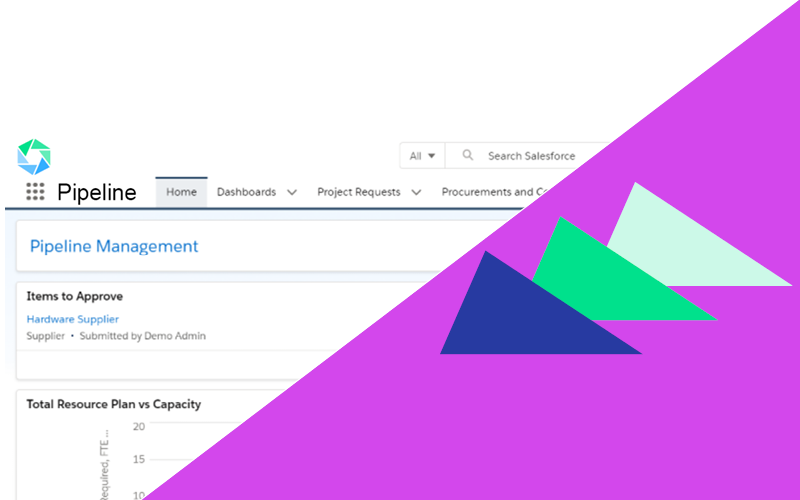
 Our Pipeline App empowers your team to plan ahead and forecast for upcoming procurement activities.
 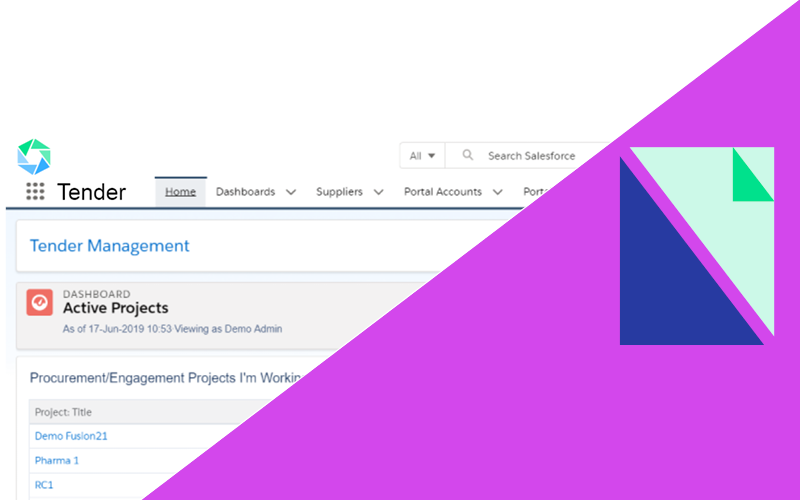 The Tender App allows your team to visualise all sourcing activities within your Atamis platform, from issuing tenders to receiving bids.
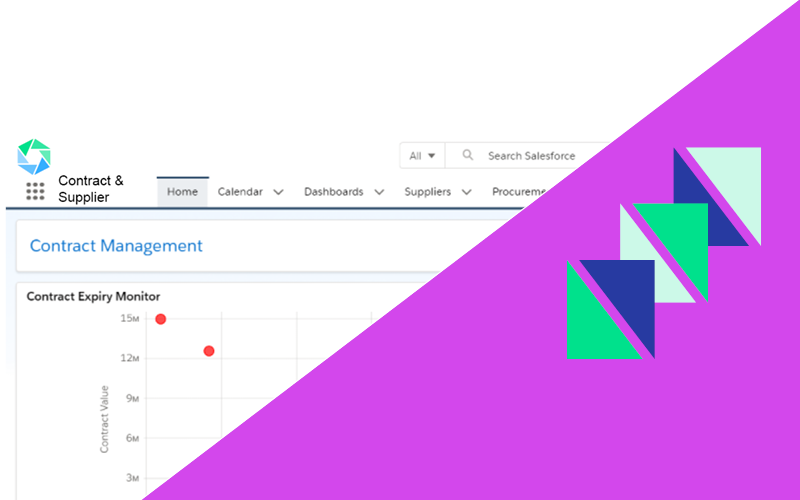 Our Contract & Supplier App puts your team in firm control of your key supplier relationships and provides a central repository for all contracts.
 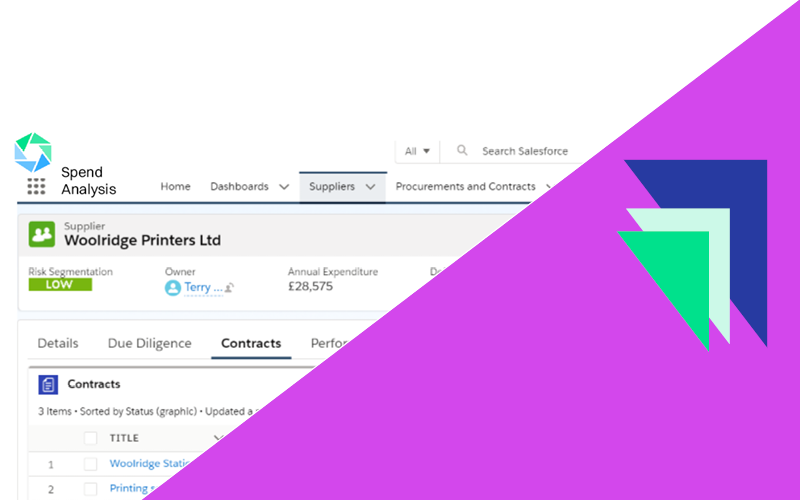 Our Enhancers ensure your solution is tailored to your needs. Pick and choose additional functionality that fits your requirements.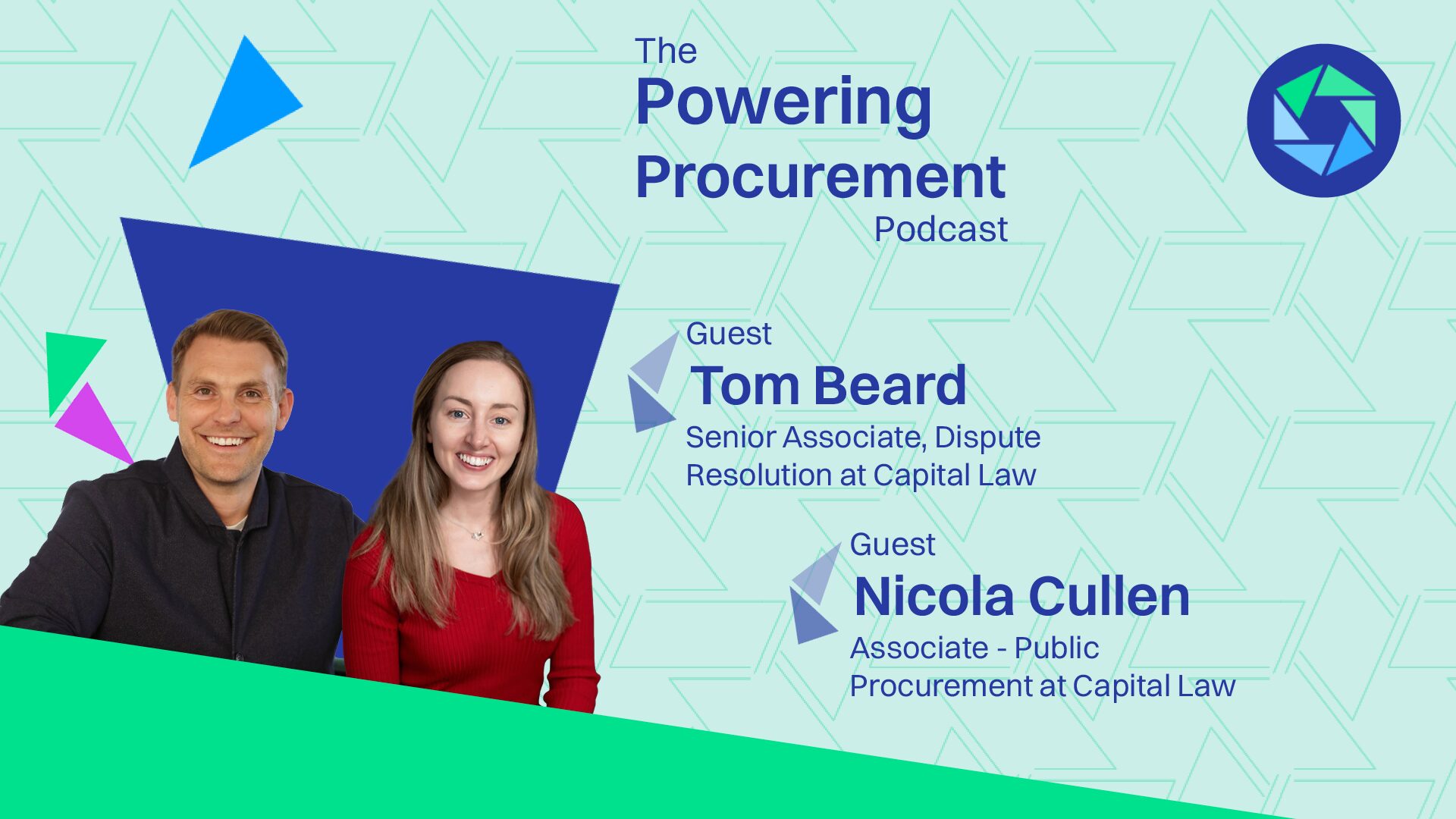
Key Takeaways
- The episode features procurement law experts Nicola Cullen and Tom Beard from Capital Law discussing legal issues in procurement under the UK Procurement Act.
- Poorly designed ITTs and evaluation criteria can lock organisations into legal risk.
- Transparency and administrative compliance requirements are increasing.
- Early collaboration between procurement teams and legal experts prevents costly disputes.
- Technology and AI can support procurement processes but require careful governance.
Series 2, Episode 7: Understanding the Legal Issues in Procurement with Nicola Cullen and Tom Beard
“Your design of your ITT and evaluation criteria is locking in risk. Once it’s published, your hands are tied.”
In this episode of Powering Procurement, we’re joined by Nicola Cullen and Tom Beard from Capital Law to explore how procurement teams can manage legal risk with confidence under the new UK Procurement Act 2023.
Nicola and Tom bring complementary perspectives from non-contentious procurement advisory work and frontline procurement disputes. Together, they unpack what has really changed under the new legislation, including streamlined procedures, enhanced transparency requirements, and the growing administrative burden around notices.
The conversation also highlights how organisations using procurement platforms such as Atamis can strengthen governance, transparency, and documentation across procurement processes.
Common Legal Risks in Procurement Processes
Understanding legal issues in procurement often starts with recognising where risk commonly occurs.
Misconceptions about fairness
Procurement teams frequently assume that if a process feels fair, it must also be legally compliant. However, fairness alone does not guarantee legal defensibility.
Procurement law focuses on transparency, consistency, and adherence to published criteria. Even well-intentioned decisions can lead to challenges if they deviate from documented processes.
Poorly designed ITTs and evaluation criteria
The design of the Invitation to Tender (ITT) is one of the most critical stages of procurement.
Once evaluation criteria are published, procurement teams cannot adjust them without risking legal challenge. This is why experts stress that risk is effectively locked in at the moment documentation goes live.
Using structured procurement systems like Atamis helps teams maintain clear audit trails and consistent documentation, both of which are essential for legal defensibility.
What Makes an ITT Legally Defensible?
Clear evaluation criteria
Evaluation criteria must be specific, measurable, and aligned with the procurement objectives.
Vague or overly flexible criteria can create ambiguity during scoring and increase the likelihood of supplier challenge.
Consistency in decision-making
Procurement teams must follow the process exactly as described in the documentation. Any deviation, even with good intentions, can create legal exposure.
This is why early collaboration between procurement professionals and legal teams is critical.
Early legal involvement
Rather than engaging lawyers after a dispute arises, organisations should integrate legal expertise into procurement planning stages.
This proactive approach helps identify potential legal issues in procurement before they escalate into costly challenges.
The Role of AI in Procurement
Technology is increasingly shaping the procurement profession. Tools powered by AI can assist with supplier analysis, contract review, and risk identification.
However, Nicola and Tom emphasise that transparency and accountability remain essential. AI tools must maintain clear audit trails and support defensible decision-making.
Procurement platforms such as Atamis are helping organisations balance innovation with governance by ensuring procurement activities remain traceable and compliant.
The Future of Procurement and Legal Collaboration
Procurement capability is rising across both public and private sectors. As legislation evolves, closer collaboration between legal professionals and procurement teams is becoming standard practice.
This partnership strengthens procurement outcomes, improves compliance, and reduces the likelihood of disputes.
For organisations navigating legal issues in procurement, combining legal expertise with modern procurement technology such as that offered by Atamis is becoming a powerful strategy.
Listen, Watch, or Stream the Episode
You can access the full episode of Powering Procurement featuring Nicola Cullen and Tom Beard on:
- Find on Spotify
- Find on Apple Podcasts
- Watch on YouTube:
FAQs About Legal Issues in Procurement
What are the most common legal issues in procurement?
Common legal issues include poorly defined evaluation criteria, lack of transparency, inconsistent scoring, and failure to follow published procedures. These can lead to supplier challenges or formal procurement disputes.
How does the UK Procurement Act affect legal issues in procurement?
The UK Procurement Act increases transparency requirements and introduces streamlined procedures. While processes may be simpler, organisations must carefully manage compliance and documentation.
Why are ITTs so important for avoiding legal issues in procurement?
The Invitation to Tender sets the rules for evaluation and supplier selection. If criteria are vague or poorly structured, procurement teams risk legal challenges because decisions must strictly follow the published framework.
How can procurement software help manage legal issues in procurement?
Procurement platforms like Atamis help centralise documentation, maintain audit trails, and ensure consistent evaluation processes. This improves compliance and reduces the risk of disputes.
How can organisations reduce legal issues in procurement from the start?
Early collaboration between procurement teams and legal experts is key. Clear documentation, strong governance, and well-designed evaluation criteria all help prevent disputes and protect procurement integrity.
Learn more




Speak to our team today.
Looking for procurement software that supports your team through changing legislation?
Get a Demo