
 Atamis’ end-to-end solution is built to target your specific pain points and drive efficiencies.
 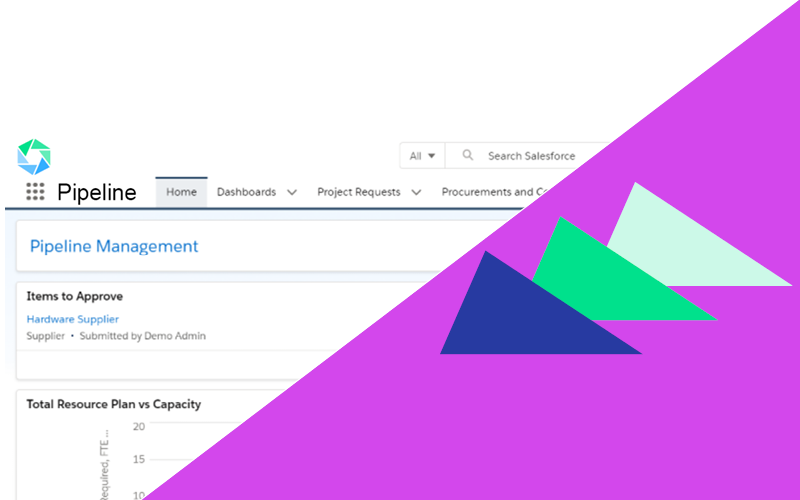 Our Pipeline App empowers your team to plan ahead and forecast for upcoming procurement activities.
 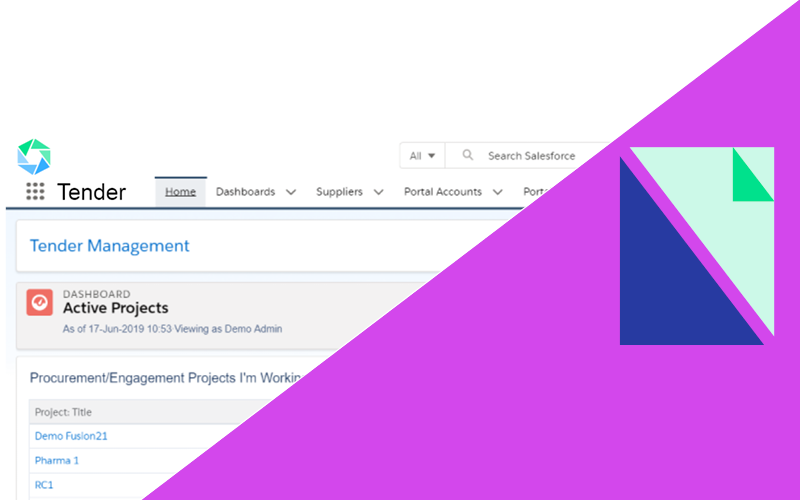 The Tender App allows your team to visualise all sourcing activities within your Atamis platform, from issuing tenders to receiving bids.
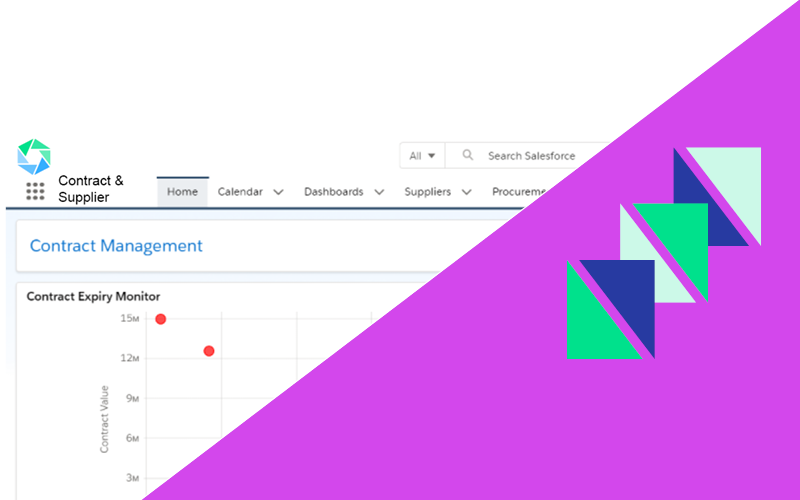 Our Contract & Supplier App puts your team in firm control of your key supplier relationships and provides a central repository for all contracts.
 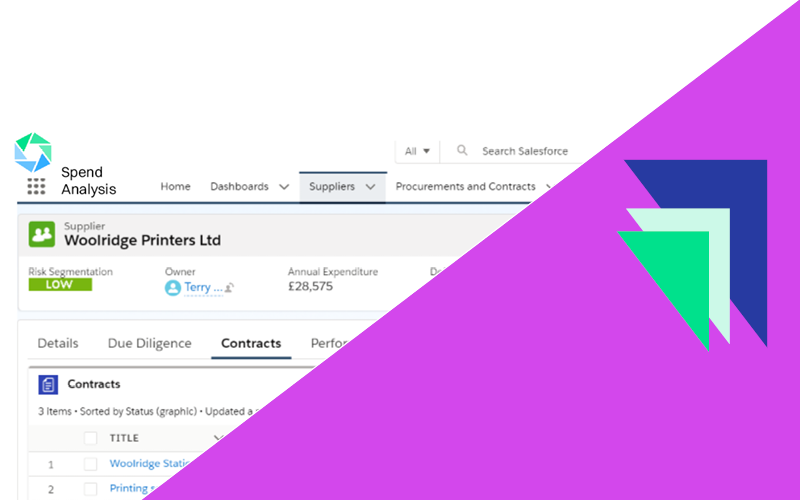 Our Enhancers ensure your solution is tailored to your needs. Pick and choose additional functionality that fits your requirements.

For many public sector organisations, implementing new procurement technology is no longer a question of if.
It is a question of:
- how quickly procurement complexity is growing
- how much visibility is being lost across disconnected systems
- and how effectively teams can maintain governance under increasing scrutiny
Across the UK public sector, procurement leaders are balancing:
- evolving procurement legislation
- audit and transparency obligations
- supplier risk management
- resource pressures
- and rising expectations around strategic procurement delivery
That is why more organisations are investing in connected source-to-contract software.
But successful implementation is about far more than deploying technology.
It requires aligning:
- procurement processes
- governance structures
- approval controls
- supplier management
- contract oversight
- and reporting requirements
Into a single operational framework.
This guide outlines a practical step-by-step approach to implementing source-to-contract software within UK public sector organisations, while ensuring compliance, auditability and long-term operational value.
Atamis is trusted by










Why public sector organisations are moving towards end-to-end procurement platforms
Historically, many procurement teams implemented systems incrementally:
- standalone e-sourcing tools
- separate contract registers
- disconnected supplier databases
- spreadsheet-based procurement planning
At the time, that often solved immediate operational problems.
But over time, fragmentation creates challenges around:
- governance
- reporting
- visibility
- audit preparation
- and procurement control
Public sector organisations increasingly need:
- connected procurement data
- standardised workflows
- stronger procurement planning and control
- and real-time visibility across the procurement lifecycle
This is where modern integrated sourcing and contract management platforms provide significant advantages.
Step 1: Define your procurement operating model first
One of the biggest implementation mistakes organisations make is focusing on software features before defining operational requirements.
Before implementation begins, procurement leaders should map:
- current procurement workflows
- governance structures
- approval routes
- supplier management processes
- reporting obligations
- and contract management responsibilities
This creates clarity around:
- where operational friction exists
- where compliance risk emerges
- and where procurement visibility is weakest
Key questions include:
- How are procurement pipelines currently managed?
- Where are approvals delayed?
- How are contracts tracked?
- How is supplier information maintained?
- How is audit evidence collected today?
This stage is critical because software should support procurement strategy, not dictate it.
Step 2: Start with procurement planning and pipeline visibility
Many procurement transformations begin too late in the procurement lifecycle.
Teams often focus first on tender execution.
But increasingly, the biggest operational gains come earlier through better procurement planning and control.
Modern public sector procurement teams need visibility of:
- upcoming renewals
- procurement pipelines
- governance timelines
- resource allocation
- and stakeholder engagement activity
That is why procurement planning should form part of the implementation from day one.
Effective pipeline management helps organisations:
- reduce reactive procurement
- improve governance preparation
- engage stakeholders earlier
- and strengthen procurement oversight across departments
This is especially important in large or decentralised public sector environments.
Step 3: Configure governance and approval controls early
Governance should not be added later as a workaround.
It should be embedded directly into the procurement workflow.
Strong source-to-contract software implementation should include:
- delegated authority structures
- approval thresholds
- escalation routes
- legal review stages
- finance sign-offs
- and audit tracking
This ensures procurement compliance becomes part of the operational process itself.
For UK public sector organisations, this is particularly important because governance requirements often vary across:
- procurement categories
- contract values
- departments
- and funding types
The most effective implementations balance:
- governance consistency
- with operational flexibility
Step 4: Integrate eSourcing into the wider procurement lifecycle
Many organisations already use standalone e-sourcing tools.
The challenge is that sourcing activity often remains disconnected from:
- procurement planning
- supplier oversight
- contract management
- and reporting
Modern implementations should connect sourcing into the broader procurement ecosystem.
This creates a continuous procurement record across:
- planning
- sourcing
- evaluation
- award
- contract management
- and supplier performance
That connected visibility becomes essential for:
- audit readiness
- reporting accuracy
- and governance assurance
It also reduces duplicate administration and fragmented procurement data.
Step 5: Prioritise contract lifecycle management early
Many procurement technology projects underestimate the importance of post-award visibility.
But increasingly, procurement risk exists after contract award rather than before it.
Strong contract lifecycle management implementation should include:
- centralised contract repositories
- renewal alerts
- obligation tracking
- contract variations
- approval history
- and supplier-linked records
Good contract lifecycle management is not simply about document storage.
It provides operational visibility into:
- commercial risk
- governance exposure
- supplier obligations
- and future procurement activity
For public sector organisations managing large contract estates, this becomes operationally critical.
Step 6: Connect supplier management into procurement workflows
Supplier oversight is now a major part of public sector procurement compliance.
Procurement teams increasingly need visibility of:
- supplier risk
- insurance documentation
- certifications
- performance history
- and contract relationships
Implementing supplier management capability alongside sourcing and contracts helps create:
- a single source of truth
- stronger governance
- and improved reporting accuracy
Disconnected supplier data remains one of the biggest operational challenges in public procurement.
Step 7: Build auditability into every stage
Public sector procurement software should not simply record activity.
It should create defensible audit trails across the entire procurement lifecycle.
This includes:
- approval history
- sourcing evaluations
- supplier communications
- contract amendments
- and user activity
Audit readiness should be designed into the implementation itself, not addressed reactively later.
Strong auditability helps organisations:
- reduce compliance risk
- simplify governance reviews
- respond to audit requests quickly
- and improve procurement transparency
This becomes increasingly important under evolving public procurement legislation and scrutiny expectations.
Step 8: Focus heavily on reporting and visibility
One of the primary reasons organisations invest in integrated sourcing and contract management platforms is to improve visibility.
But reporting capability must be considered early during implementation.
Public sector procurement teams increasingly need:
- real-time dashboards
- compliance reporting
- contract visibility
- procurement pipeline reporting
- supplier oversight
- and management information
The strongest implementations ensure:
- data structures are consistent
- reporting requirements are defined early
- and procurement data remains connected across modules
Without this, reporting often becomes manual again very quickly.
Step 9: Prioritise adoption, not just deployment
Even technically successful implementations fail if users do not adopt the platform properly.
Public sector procurement software implementations should focus heavily on:
- usability
- training
- stakeholder engagement
- and operational simplicity
This is particularly important for:
- decentralised procurement environments
- cross-functional stakeholders
- occasional procurement users
- and governance approvers
The most successful procurement platforms reduce operational complexity rather than adding to it.
Why implementation approach matters more in 2026
Public procurement is becoming:
- more transparent
- more strategic
- more data-driven
- and more scrutinised
That means procurement technology implementations are no longer simply IT projects.
They are operational transformation programmes.
The strongest public sector procurement organisations are implementing platforms that connect:
- procurement planning
- sourcing
- contracts
- suppliers
- governance
- and reporting
Into a single operational framework that supports:
- compliance
- visibility
- control
- and better decision-making
Final thought: implementation success depends on connected visibility
The best source-to-contract software implementations do not simply digitise procurement activity.
They create connected procurement intelligence across the full lifecycle.
For public sector organisations, that means:
- procurement planning and control
- integrated e-sourcing
- connected contract lifecycle management
- supplier oversight
- governance automation
- and real-time auditability
All operating within a single, transparent procurement environment.
Because increasingly, modern public sector procurement is not just about running compliant procurements.
It is about creating visibility, governance and strategic control long before a contract is signed, and long after it is awarded.
Looking for your bespoke source-to-contract software?
Speak to our team today about your pain points and aspirations.


Anna is the Senior Project Manager at Atamis with ten years of experience in the software industry. She leads client implementation projects, guiding procurement teams through the delivery of technology solutions that align with their operational requirements and procurement objectives. She manages the implementation journey from initial requirements and solution design through configuration, testing, stakeholder engagement and go-live, ensuring solutions are delivered smoothly and effectively. With a focus on translating procurement needs into practical technology solutions, Anna brings hands-on expertise in implementation management, client collaboration, process alignment and change delivery. Her experience gives her a practical perspective on what it takes to implement procurement technology successfully, from understanding an organisation’s requirements through to delivering a solution that works seamlessly within its procurement processes.