
Data Management
Turn fragmented, inconsistent procurement data into a trusted foundation for better decisions, stronger governance and greater commercial value.
Atamis brings procurement data together across suppliers, spend, sourcing, contracts and procurement activity, helping teams maintain data quality, eliminate duplication and create a consistent view of the information that drives procurement.
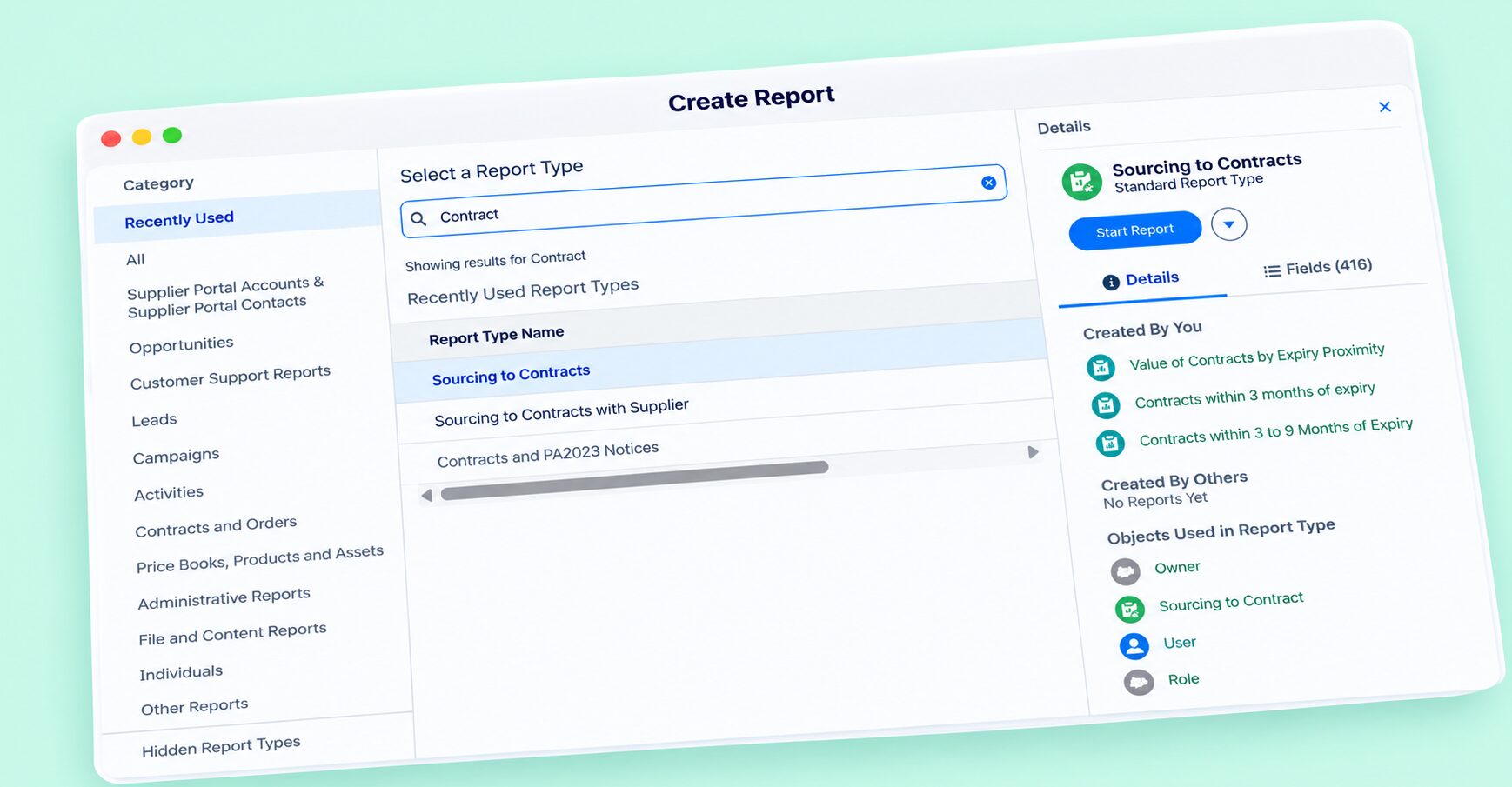
Can you trust the data behind your procurement decisions?
Procurement teams rely on data to understand spend, manage suppliers, monitor contracts, plan sourcing activity and demonstrate performance.
But when that data is spread across systems, duplicated across records or maintained manually, confidence quickly falls.
You may find yourself asking:
- Is our supplier data accurate and up to date?
- Do we have duplicate supplier records?
- Are suppliers consistently categorised?
- Can we link the same supplier across different procurement activities?
- Is our spend data classified consistently?
- Which data is the authoritative source?
- Can we trust the reports we’re presenting to senior stakeholders?
- How much time is procurement spending cleaning and reconciling data
When procurement data can’t be trusted, procurement decisions can’t be either.
Create one trusted procurement data environment
Bring the information your procurement team needs together in one connected platform.
Atamis provides a central environment for managing procurement data across suppliers, spend, sourcing, contracts and procurement activity.
Create consistent records, connect related information and give teams a shared view of the data they rely on every day.
Improve data quality at the source
Keep supplier data accurate
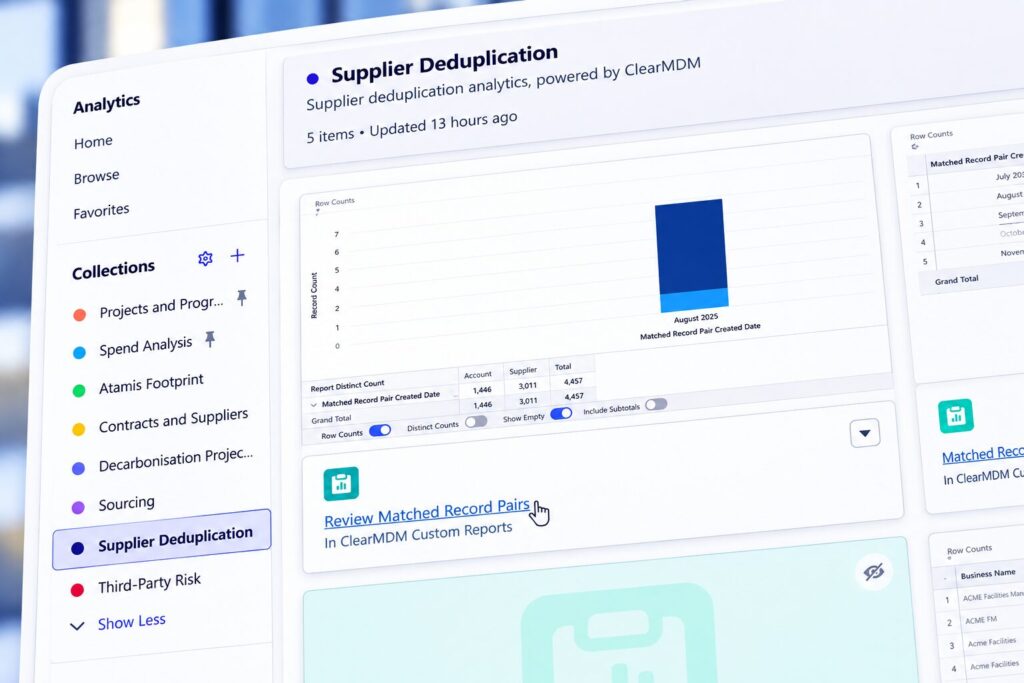
Create a consistent, reliable supplier record.
Capture and maintain the information needed to manage suppliers effectively, with appropriate workflows and controls around changes to key data.
Reduce reliance on manually maintained spreadsheets and give procurement teams greater confidence in the information they are using.
- Eliminate duplicate records
- More reliable reporting
- Accurate view of supplier exposure
Connect data across the procurement lifecycle
Stop treating procurement data as isolated information.
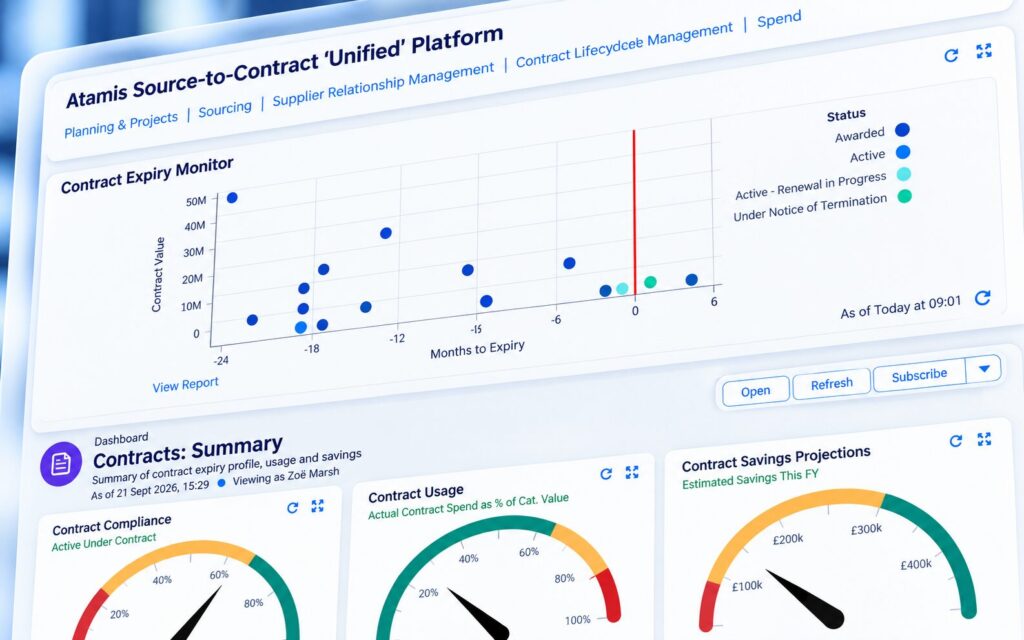
A supplier shouldn’t exist separately from its contracts. A contract shouldn’t exist separately from the sourcing event that created it. And spend shouldn’t exist separately from the supplier receiving it.
Atamis connects these relationships across the source-to-contract lifecycle.
Plan, source, contract, supplier, spend, performance.
This creates a richer procurement record and makes it easier to understand the context behind the data.
- Give every team the data they need
- A single source of the truth
- Configurable views and dashboards
Connect third party tools and data with your procurement environment
Enrich your procurement data without creating another information silo.
Connect Atamis with relevant third-party systems and data sources to bring additional supplier, market and procurement information into the platform.
Use integrations to reduce manual data entry, improve information completeness and give procurement teams a more comprehensive view of the organisations and markets they manage.
- Dun & Bradstreet
- Alpha Vantage
- Companies House
- and more
Why procurement teams choose Atamis for data management
One connected data environment
Bring procurement information together across the source-to-contract lifecycle.
Better data quality
Create consistent structures, classifications and supplier records.
A single source of truth
Give teams confidence that they are working from the same underlying information.
Connected procurement intelligence
Link data across suppliers, spend, sourcing, contracts and performance.
Configurable reporting
Create dashboards and reports around the information your organisation actually needs.
Controlled and governed
Apply appropriate permissions, workflows and governance to protect data integrity.
Is your procurement data helping you make decisions or making them harder?
See how Atamis can help you create cleaner, more connected and more trusted procurement data and turn it into actionable intelligence across the source-to-contract lifecycle.
FAQs
What are the characteristics of good procurement data?
What are the characteristics of good procurement data?
Good procurement data should be accurate, complete, consistent, valid, unique, timely and fit for purpose. The appropriate standard depends on how the data will be used, but these characteristics provide a useful foundation for reliable procurement analysis and decision-making.
How can procurement teams improve data quality?
How can procurement teams improve data quality?
Procurement teams can improve data quality by establishing clear data ownership, standardising definitions and classifications, controlling changes to key records, identifying and removing duplicates, regularly cleansing data and integrating reliable sources of information. Data quality should be managed throughout the data lifecycle rather than treated as a one-off cleansing exercise.
How does Atamis help with procurement data management?
How does Atamis help with procurement data management?
Atamis provides a connected environment for managing procurement information across suppliers, spend, sourcing, contracts and procurement activity. It helps organisations structure and connect data, maintain consistent records, integrate relevant information and use that data for reporting and procurement decision-making.
Can Atamis integrate with our existing systems?
Can Atamis integrate with our existing systems?
Yes. Atamis can integrate with third-party systems and data sources to bring relevant information into the procurement environment. This can reduce manual data transfer, improve information completeness and create a more connected view of procurement data.
Can Atamis help improve supplier data quality?
Can Atamis help improve supplier data quality?
Yes. Atamis provides structured supplier records and configurable processes for managing supplier information, helping organisations establish more consistent supplier data and improve visibility across the supplier lifecycle.