
Procurement Planning
Procurement Planning
Turn procurement priorities into a clear, actionable pipeline. Atamis gives procurement teams a structured view of upcoming activity, helping them plan ahead, prioritise resources and maintain control from the earliest stages of the procurement lifecycle.
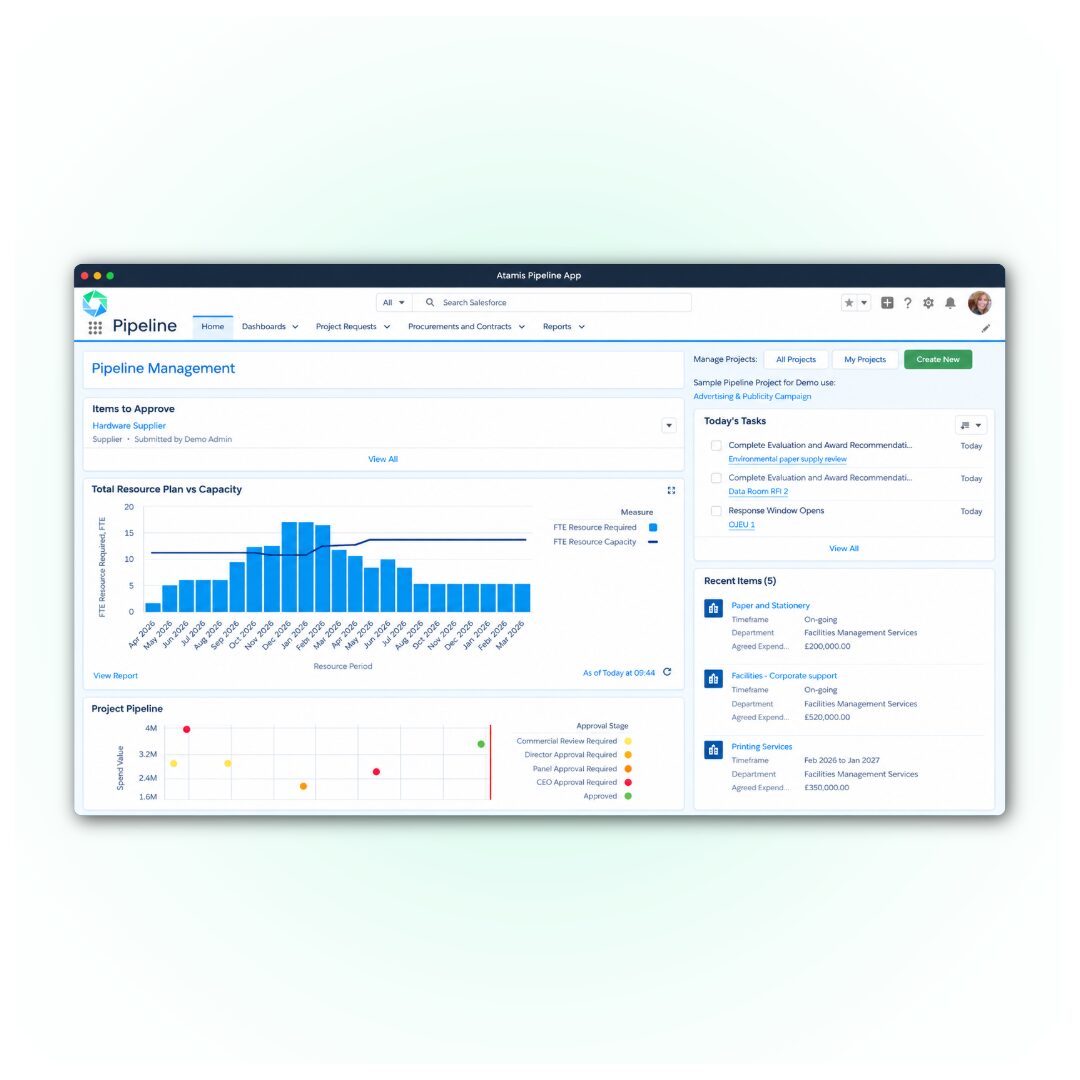
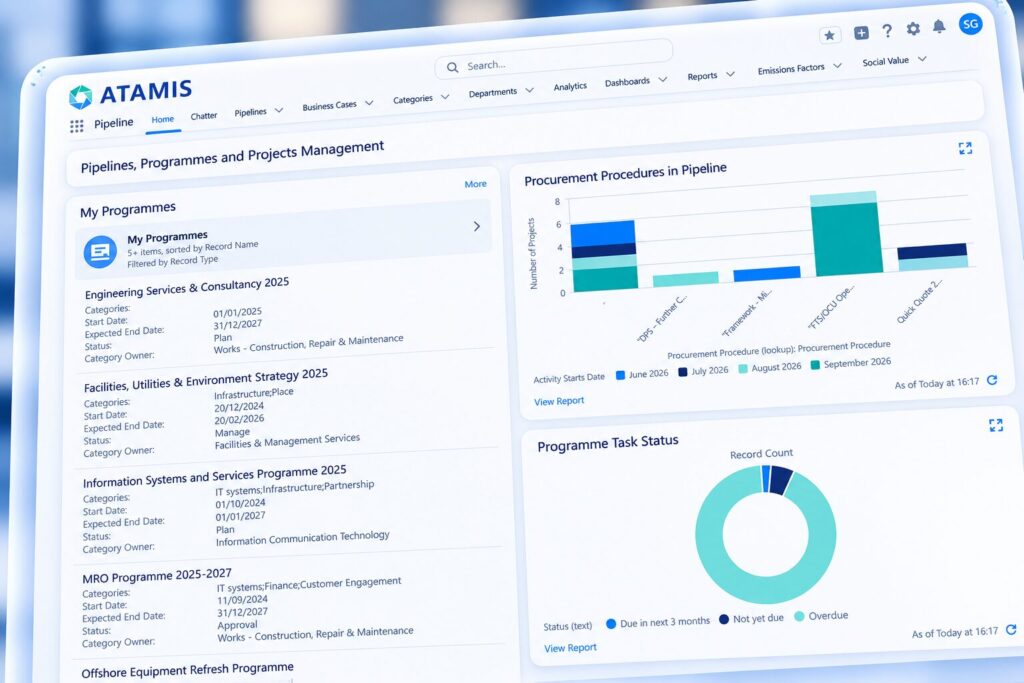
Build your procurement pipeline. Bring upcoming procurement activity into one clear view
Capture planned requirements, projects, renewals and sourcing activity in a central pipeline, giving procurement teams visibility of what is coming and what needs attention.
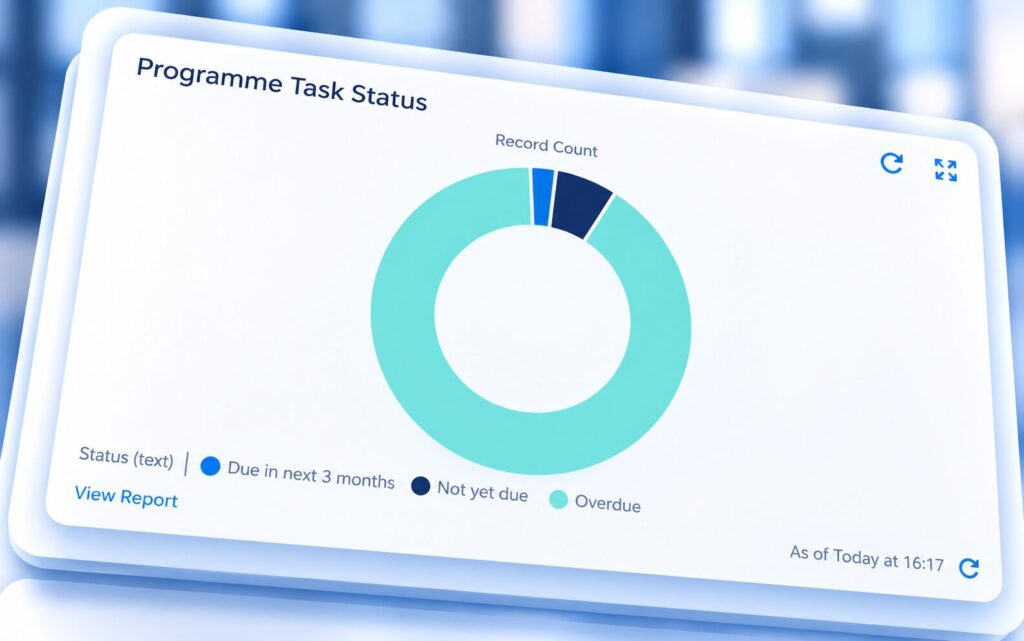
Prioritise your workload. Focus resources where they deliver the greatest value.
Prioritise procurement activity based on value, strategic importance, risk, complexity or other criteria, helping teams allocate resources effectively across the pipeline.
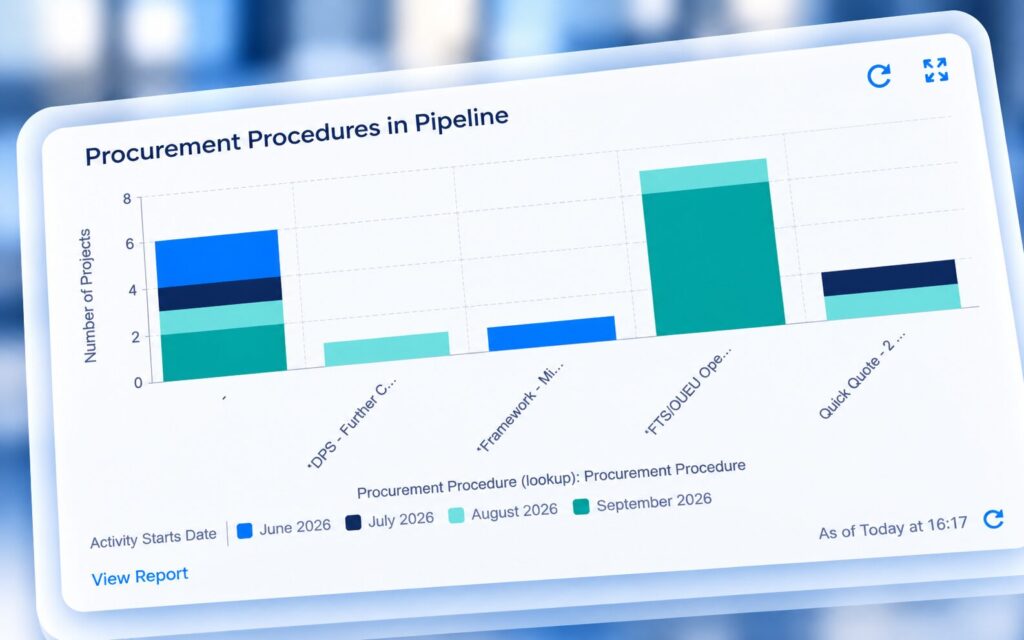
See what’s coming. Understand your future workload at a glance.
Use pipeline views, calendars and dashboards to see upcoming procurement activity, key milestones and deadlines, helping teams identify capacity pressures and avoid last-minute procurement.
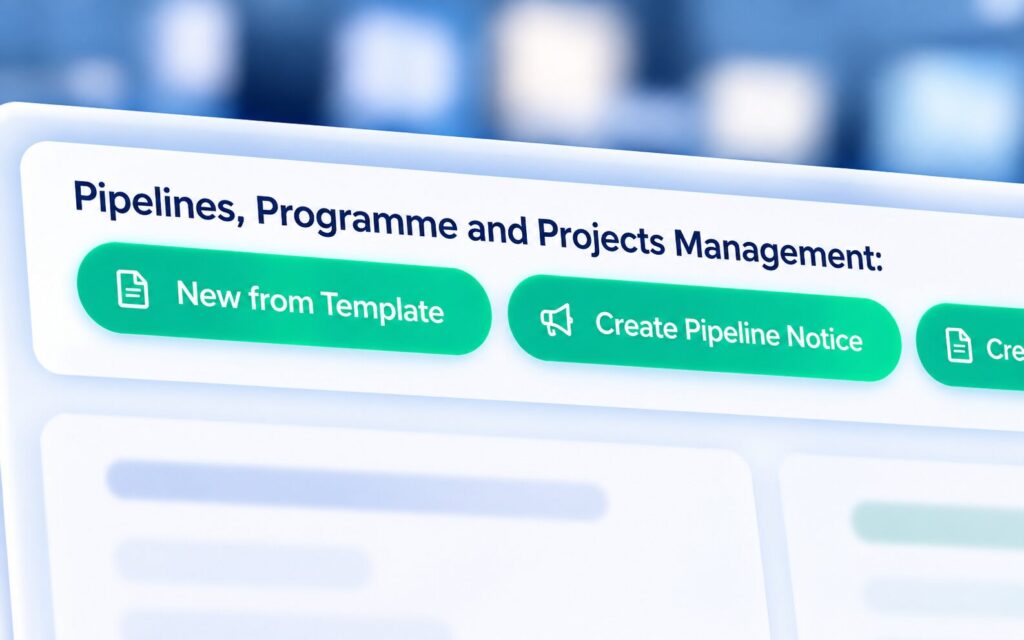
Connect planning to sourcing. Move seamlessly from planning into execution.
Turn planned procurement activity into structured sourcing projects without re-entering information or losing the context behind the requirement.
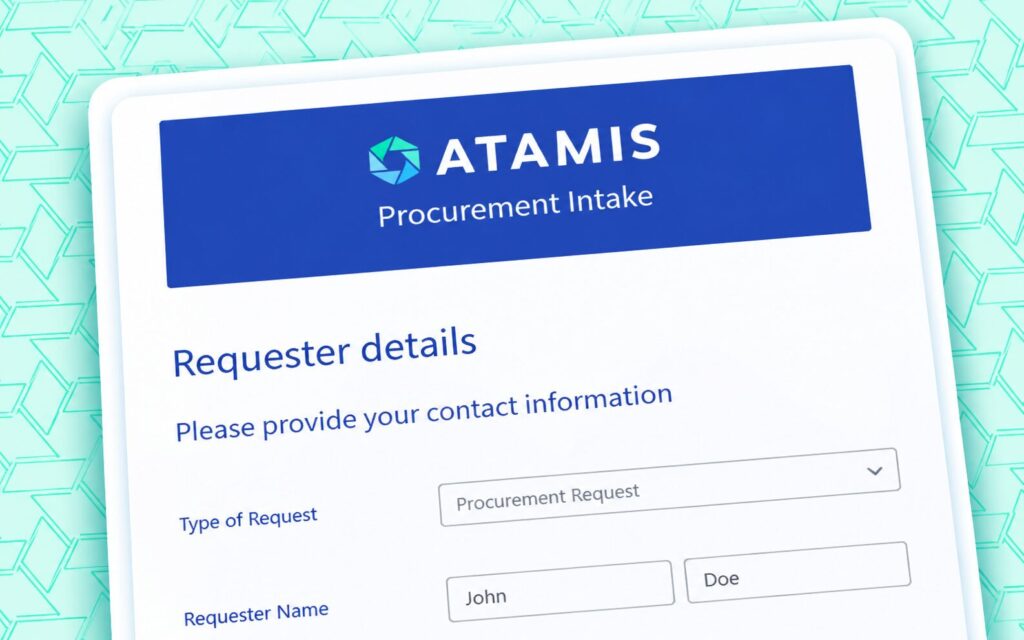
Collaborate across the organisation. Give stakeholders visibility from the start.
Capture requirements and engage budget holders, business stakeholders and procurement teams early, creating shared ownership and improving the quality of procurement planning.
From fragmented planning to a clear procurement pipeline
See what’s coming, understand what needs attention and keep every procurement activity moving from initial requirement to delivery.
Before
Relying on spreadsheets to track upcoming procurement.
Finding out about procurement requests too late.
Chasing teams for pipeline updates.
Struggling to prioritise upcoming activity.
After

See your entire procurement pipeline in one place.
Plan ahead with complete visibility.
Keep stakeholders aligned automatically.
Prioritise procurement resource with real-time insight.

Plan procurement with confidence
See how Atamis can help your procurement team build a structured pipeline, prioritise activity and connect procurement planning to the wider source-to-contract lifecycle.
FAQs
Why is procurement pipeline management important?
Why is procurement pipeline management important?
Procurement pipeline management helps teams gain visibility of upcoming procurement activity and plan their workload effectively. Without a clear pipeline, procurement teams can struggle to identify upcoming requirements early enough to allocate resources, engage stakeholders or plan procurement activity around key deadlines.
A well-managed pipeline provides a forward-looking view of procurement work, helping teams prioritise activity, identify potential bottlenecks and make better use of procurement resources.
What should a procurement pipeline include?
What should a procurement pipeline include?
The information included in a procurement pipeline will vary between organisations, but commonly includes the procurement requirement, category, estimated value, expected start and completion dates, responsible stakeholders, procurement route and current status.
It can also include information about the existing contract, anticipated savings, strategic priorities, risks and dependencies. The aim is to provide enough information for procurement teams to understand what is coming up and determine what action is required.
What is procurement pipeline software?
What is procurement pipeline software?
Procurement pipeline software is technology designed to help procurement teams capture, manage, prioritise and monitor upcoming procurement activity. It provides a centralised alternative to managing pipeline information through spreadsheets, emails and disconnected documents.
Depending on the system, functionality can include pipeline tracking, procurement planning, categorisation, ownership, timelines, status tracking, reporting and workflow management.
What are the benefits of using procurement pipeline management software?
What are the benefits of using procurement pipeline management software?
Procurement pipeline management software can give teams a centralised view of upcoming procurement activity, making it easier to plan workloads, prioritise requirements and monitor progress.
It can also improve visibility for procurement leaders and stakeholders, reduce reliance on manually maintained spreadsheets and provide more consistent information for reporting. Connecting pipeline information with other procurement processes can provide additional context as an activity moves from planning into sourcing and delivery.
How can procurement teams prioritise their pipeline?
How can procurement teams prioritise their pipeline?
Procurement teams can prioritise pipeline activity based on factors such as strategic importance, financial value, contract expiry dates, business criticality, risk, complexity and available resources.
Prioritisation criteria should reflect the organisation’s procurement strategy and capacity. A central pipeline can help teams apply these criteria consistently and identify which upcoming activities require attention first.
How can procurement pipeline management help with resource planning?
How can procurement pipeline management help with resource planning?
A clear procurement pipeline allows teams to see the volume, timing and complexity of upcoming procurement activity. This information can help procurement leaders understand future workload and determine whether resources need to be allocated differently.
For example, a pipeline may highlight several major procurements scheduled within the same period. Identifying this early gives teams more opportunity to plan workloads, allocate ownership and manage capacity before activity becomes urgent.
How does Atamis help manage procurement pipelines?
How does Atamis help manage procurement pipelines?
Atamis Pipeline helps procurement teams capture, plan and manage upcoming procurement activity from a centralised platform. Teams can maintain visibility of requirements, timelines, ownership and priorities while monitoring activity as it progresses.
By connecting pipeline planning with the wider Atamis procurement platform, teams can move from identifying an upcoming requirement to managing the associated sourcing activity within a connected environment. This helps provide greater visibility across the procurement process and supports more structured planning.